Pep Guardiola's Departure: A New Dawn for Moroccan Football?
Pep Guardiola Bids Farewell to Manchester City In a significant turn of events in the world of football, Manchester City has announced the departure of their renowned manager, Pep Guardiola, at the conclusion of the current season. This marks the end of an era characterized by remarkable achievements that have reshaped English football over the past decade. Guardiola's tenure at City has been nothing short of extraordinary, leading the team to numerous titles and accolades, solidifying his legacy as one of the most successful managers in the history of the sport. The Future of Guardiola: Possibilities with Morocco's National Team As the football community reflects on Guardiola's illustrious career at Manchester City, speculations are rife about his next move. One intriguing possibility is his potential appointment as the head coach of the Moroccan national team. Following Morocco's impressive performance in recent international tournaments, including a historic run in the FIFA World Cup, there is a growing sentiment that Guardiola's tactical genius could elevate the Moroccan squad to new heights. Fans and analysts alike are keenly interested in whether he would embrace the challenge of guiding this talented group of players on the international stage. As reported by youtube.com.
May 23, 2026
News
View all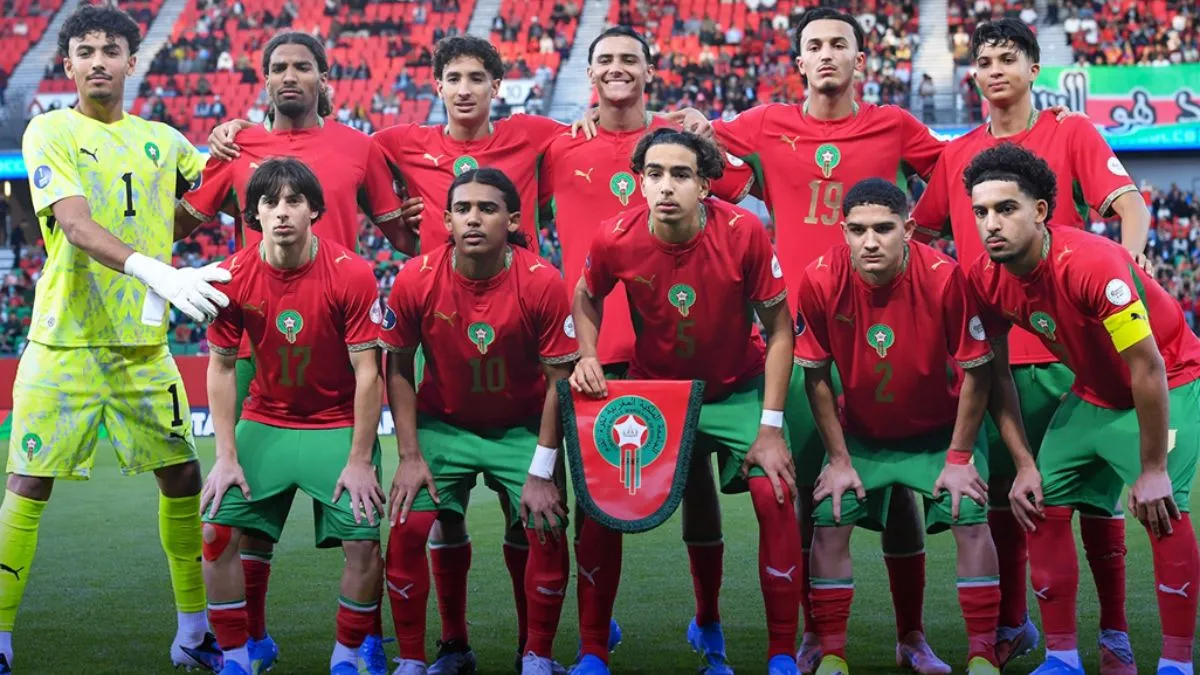
Morocco vs Cameroon (U17 AFCON): Match Details and...
May 23, 2026
In an exciting quarterfinal matchup at the U17 Africa Cup of Nations (AFCON), Morocco's U17 team is set to face off against Cameroon on May 24, 2026. The match will take place at the Mohammed VI Football Complex, a venue known for its state-of-the-art facilities and vibrant atmosphere. This clash is highly anticipated as Morocco, the defending champion, enters the game with momentum after securing **7 points** in the group stage, notably defeating Egypt 2-1 in their final group match. Their performance so far has showcased their skill and determination, setting the stage for what promises to be a thrilling encounter against a strong Cameroonian side. Cameroon, having finished second in Group B with **6 points**, will aim to capitalize on their experience and tactical approach to overcome the Moroccan team. The stakes are high, as both teams not only vie for a spot in the semifinals but also for qualification to the upcoming U17 World Cup scheduled to be held in Qatar from November 19 to December 13, 2026. Fans eager to watch the action can catch the live broadcast of the match on **Arryadia TNT** and **beIN Sports Xtra 4**, with kickoff scheduled for **17:00**. This match represents a crucial moment in the tournament and is expected to draw significant viewership from football enthusiasts across the continent. As reported by medias24.com.
Senegal's Prime Minister Delivers Fiery Statements...
May 23, 2026
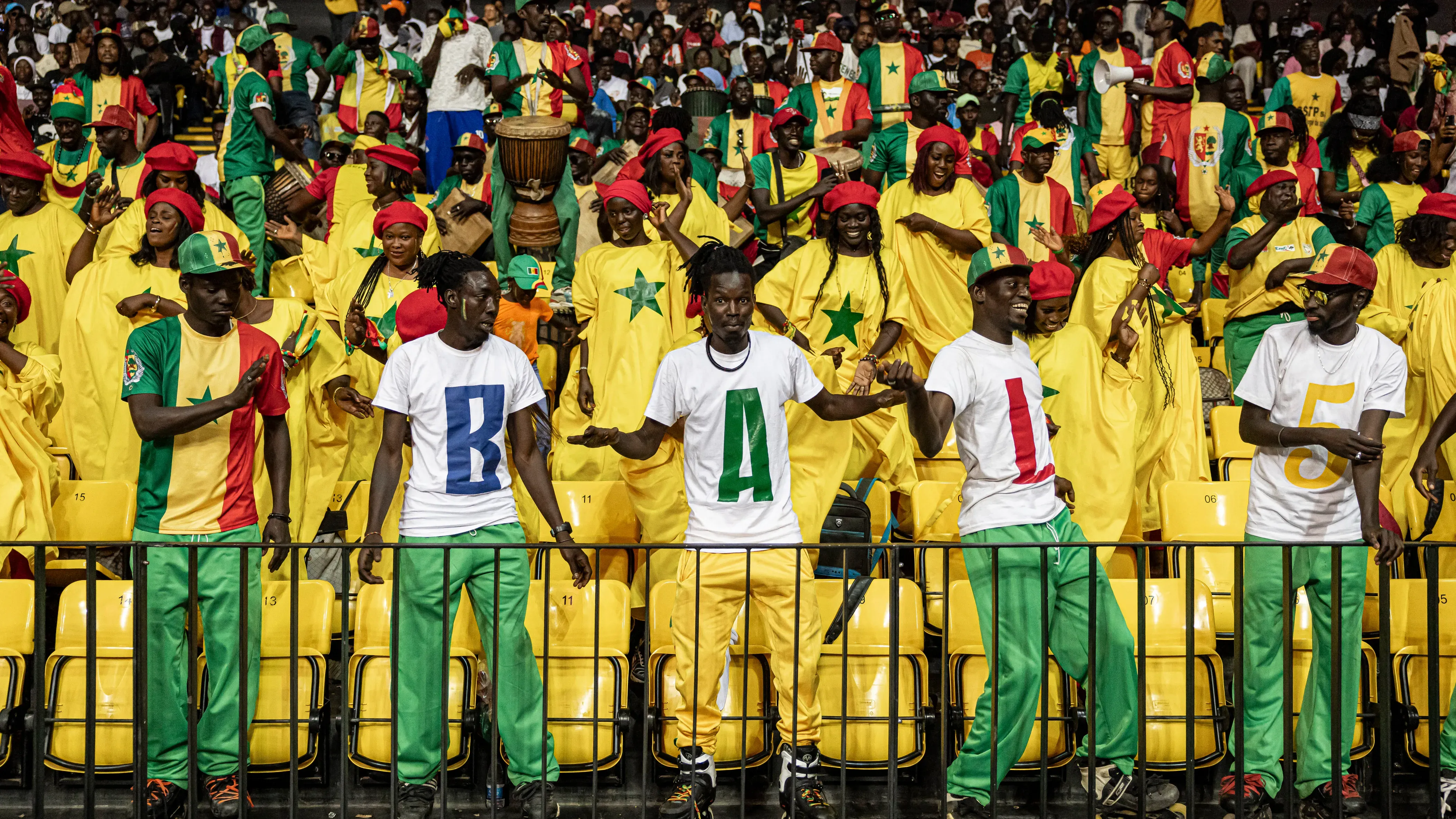
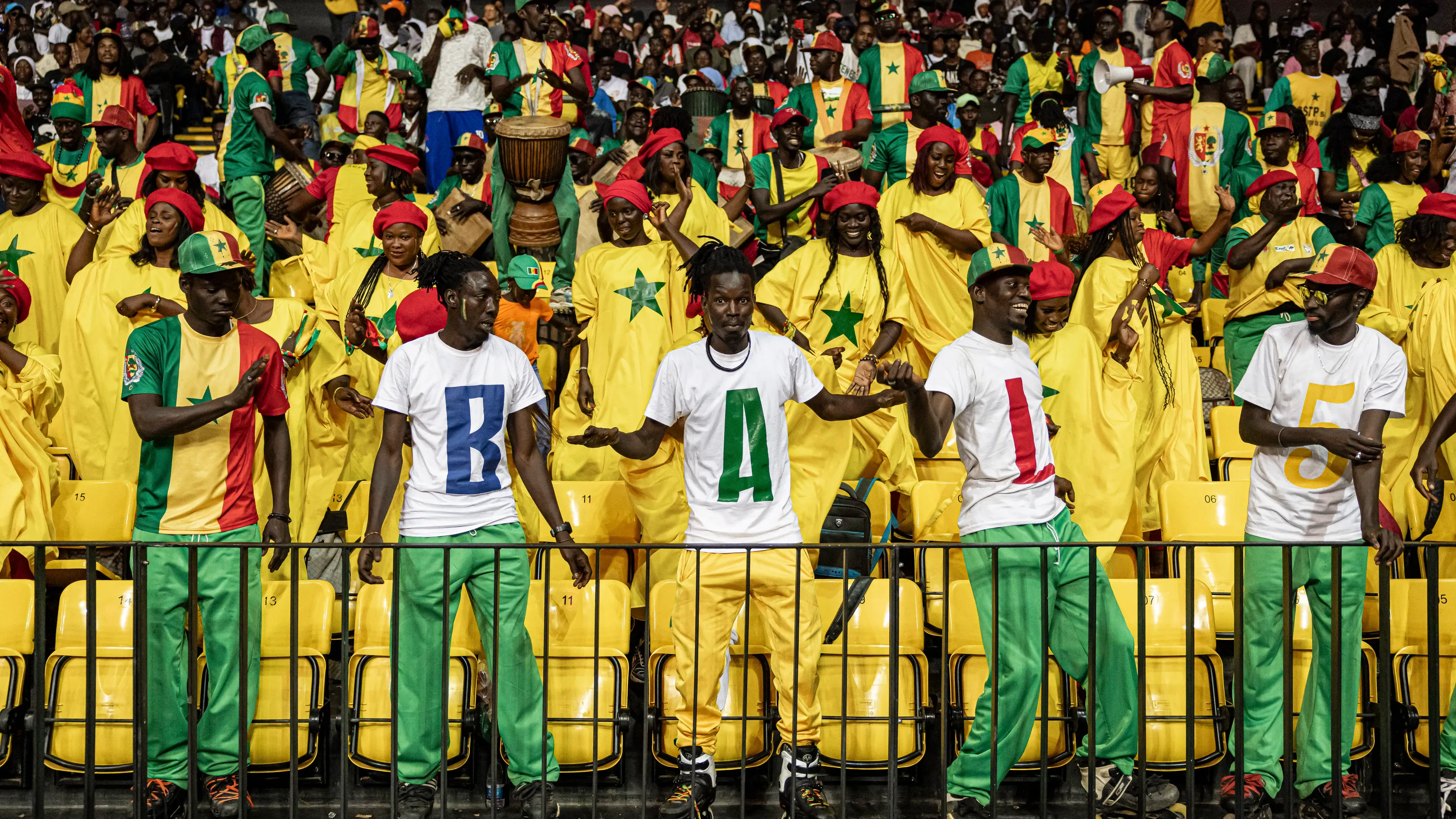
Senegalese Prime Minister's Strong Defense of Morocco The recent crisis involving fans has prompted Senegal's Prime Minister to speak out vigorously in defense of Morocco. In a passionate address, the Prime Minister highlighted the importance of unity and understanding in the face of adversity. He condemned any negative perceptions or actions directed at Morocco, emphasizing that such behavior does not reflect the true spirit of sportsmanship. The Prime Minister’s statements come at a time when tensions are high, and he urges both fans and officials to foster an environment of respect and camaraderie. Importance of Solidarity in Sports This situation underlines the critical need for solidarity among nations, especially in the realm of sports, where unity can bridge cultural divides. The Prime Minister's remarks resonate with many, as he calls for an end to hostility and a focus on positive interactions. He believes that sports should serve as a platform for bringing people together rather than a source of conflict. This powerful message serves as a reminder of the values that sports represent: friendship, teamwork, and mutual respect. As reported by kooora.com.
Strengthening Diplomatic Ties: Central African Rep...
May 23, 2026
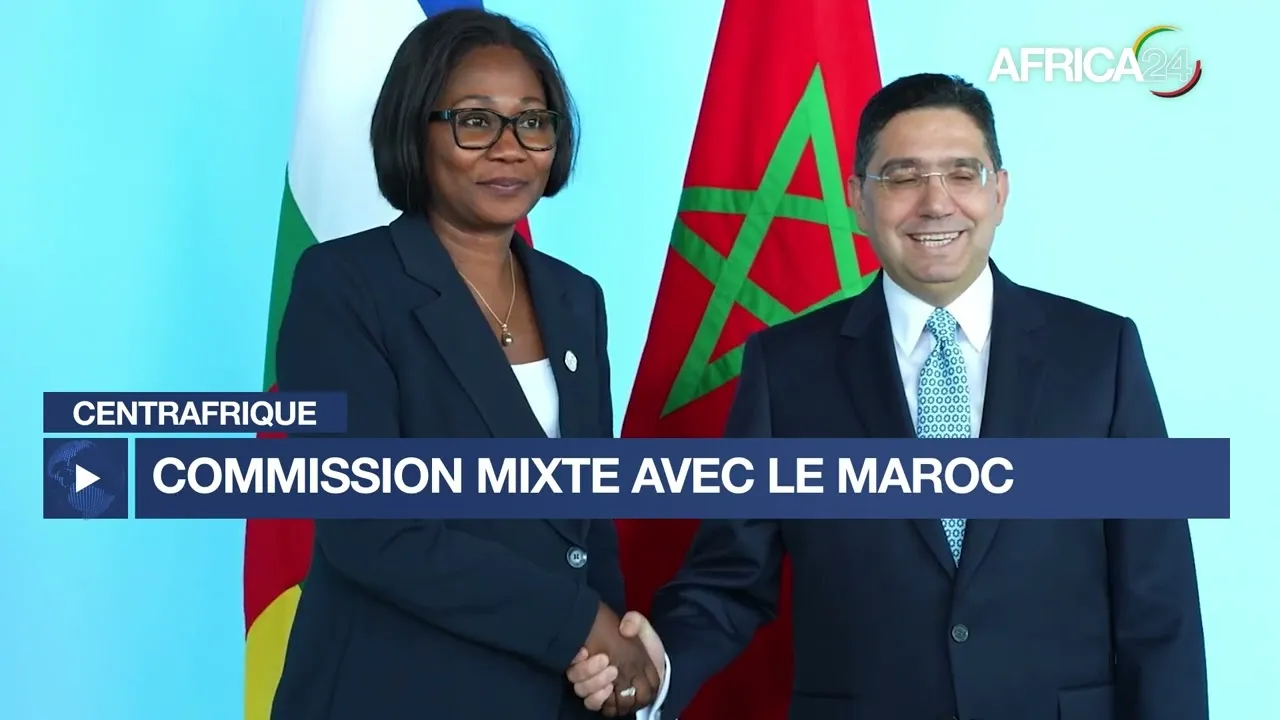
Central African Republic and Morocco Enhance Diplomatic RelationsThe Central African Republic (CAR) is progressively strengthening its diplomatic relationship with Morocco as part of a broader strategy aimed at diversifying its international partnerships and consolidating political and economic support. This strategic pivot is rooted in the country’s quest for sustainable solutions to pressing development challenges, institutional stability, and economic recovery. The growing cooperation between CAR and Morocco exemplifies the intensification of South-South cooperation, driven by a convergence of interests across multiple fronts.During recent discussions, Sylvie Baïpo-Temon, the CAR Minister of Foreign Affairs, conveyed the heartfelt gratitude and warm greetings of His Excellency Professor Faustin-Archange Touadéra to the Moroccan Minister. She highlighted Morocco’s continuous and unwavering support for the sister Republic of Central Africa, which has been instrumental in facilitating the country’s electoral process leading up to the end of 2025. This electoral process includes a quadruple election cycle encompassing presidential, legislative, municipal, and regional elections, for which Morocco has made significant contributions to ensure their smooth execution.In this context, the Central African Republic reiterated its support for Morocco’s sovereignty over its entire territory, including the Sahara, during a meeting in Rabat on May 20, 2026. Minister Baïpo-Temon praised the robust bilateral relations and political alignment between CAR and Morocco, which are underpinned by the trust established between King Mohammed VI and President Faustin-Archange Touadéra. Economically, the roundtable held in Casablanca regarding the CAR's National Development Plan (PND) for 2024-2028 in September 2025 mobilized $9 billion in financing pledges for a program estimated at $12.8 billion. Over 500 investors and international financial institutions participated in this event, reinforcing Morocco's role as a financial hub in Africa, particularly through the Casablanca Finance City, which supports Central African development financing.Minister Baïpo-Temon emphasized the fruitful discussions that took place regarding the cooperation between Morocco and the Central African Republic, noting the historical and strong ties that exist between the two nations. These ties encompass various domains, including security, exemplified by the presence of Moroccan troops in CAR as part of the MINUSCA operation, a deployment that is well-received by the local population and contributes positively to the excellent relationship shared by the two countries. Furthermore, the economic cooperation is evolving, particularly highlighted by the roundtable discussions held recently in Casablanca. The ongoing collaboration signifies that the relationship is flourishing and continues to strengthen.A Strategic Partnership in DevelopmentThe cooperation between the Central African Republic and Morocco is emerging as a strategic partnership that is in the process of consolidation, combining diplomatic alignment with economic ambitions. Beyond political declarations, both nations exhibit a shared commitment to transforming their relationships into tangible development levers. This dynamic paves the way for a more structured partnership, poised to enhance collaboration in areas such as training, infrastructure, and investments, thus solidifying an increasingly active South-South alliance on the African stage.As reported by africa24tv.com.
Emma Spitz Concludes Lalla Meryem Cup with Strong...
May 23, 2026
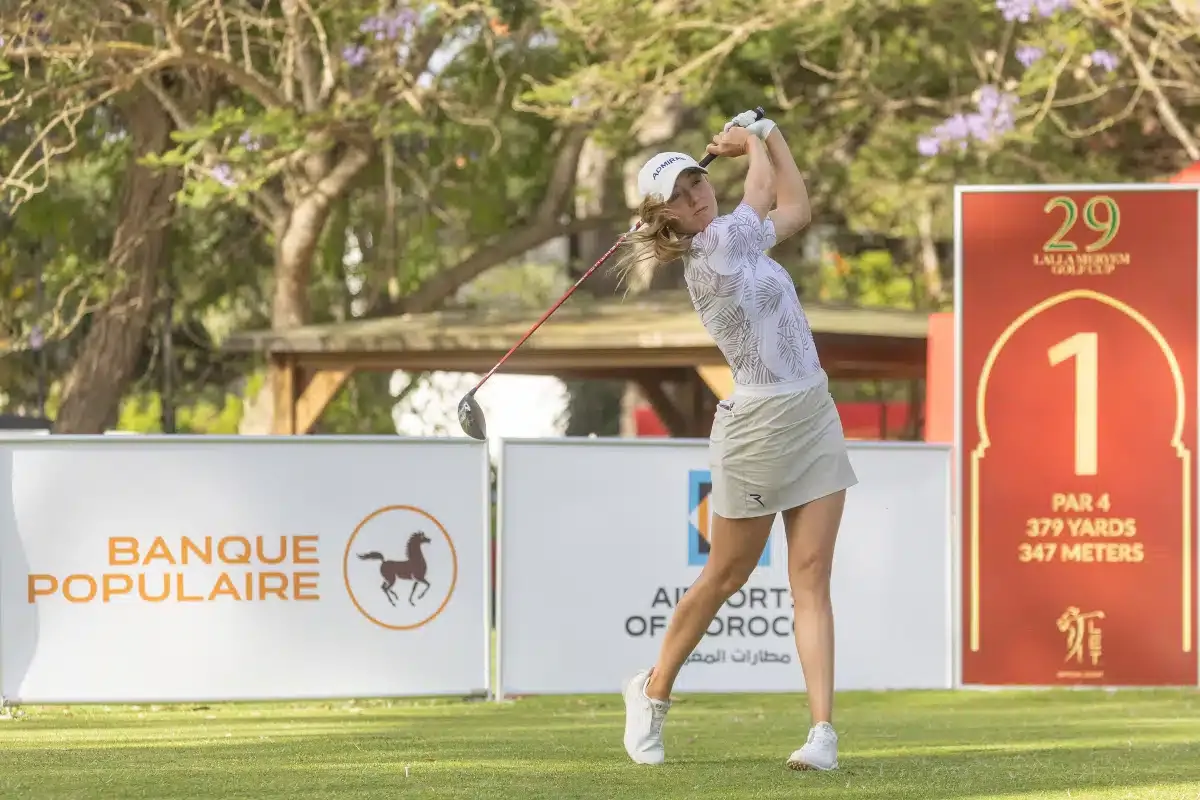
Emma Spitz wrapped up her participation in the Lalla Meryem Cup with her best round of the week, scoring a 71 (-1) to leave Morocco on a relatively positive note. Meanwhile, Kathi Mühlbauer faced challenges at the Royal Golf Dar Es Salam, finishing her round with a score of 73 (Par), which did not significantly improve her standing.Both golfers, Spitz and Mühlbauer, appeared to be struggling with their form throughout the event. However, unlike last week in Germany, both players managed to make the cut, albeit with some nail-biting moments. Emma started with a score of 75 (+2) and had to endure a tense Friday with a score of 73 (Par) before confirming her place in the final round. Kathi began her tournament strongly with a 71 (-2) but fell back with a 77 (+4) on the second day, starting Saturday from the 54th position. Both players were left with no choice but to push hard in an attempt to make up ground.In the final round, Emma Spitz began on a shaky note with an early bogey on the 12th hole. However, she managed to eliminate further mistakes for a while, though she was unable to generate any significant movement up the leaderboard. After ten holes, she finally found her form, scoring a pair of birdies on the par 5 fifth hole and the following par 3. She capped off her strong finish with another birdie on the last par 5, ultimately achieving a score of 71 (-2) for the day and climbing to 39th place.Kathi Mühlbauer started her final round just minutes after her compatriot and showcased a more varied performance compared to Emma. She quickly secured a birdie on the 12th hole but countered two errors with additional birdies. However, a bogey on the 18th hole left her languishing at the bottom of the leaderboard as she approached the final nine holes. The front nine saw slight improvement, but she negated one of her birdies on the par 5 fifth hole. Ultimately, she finished with a score of 73 (Par) and placed 52nd.Canadian golfer Anna Huang claimed victory with an impressive final round of 66 (-5), finishing the tournament at a remarkable 14 under par.As reported by golf-live.at.
Marrakech
View all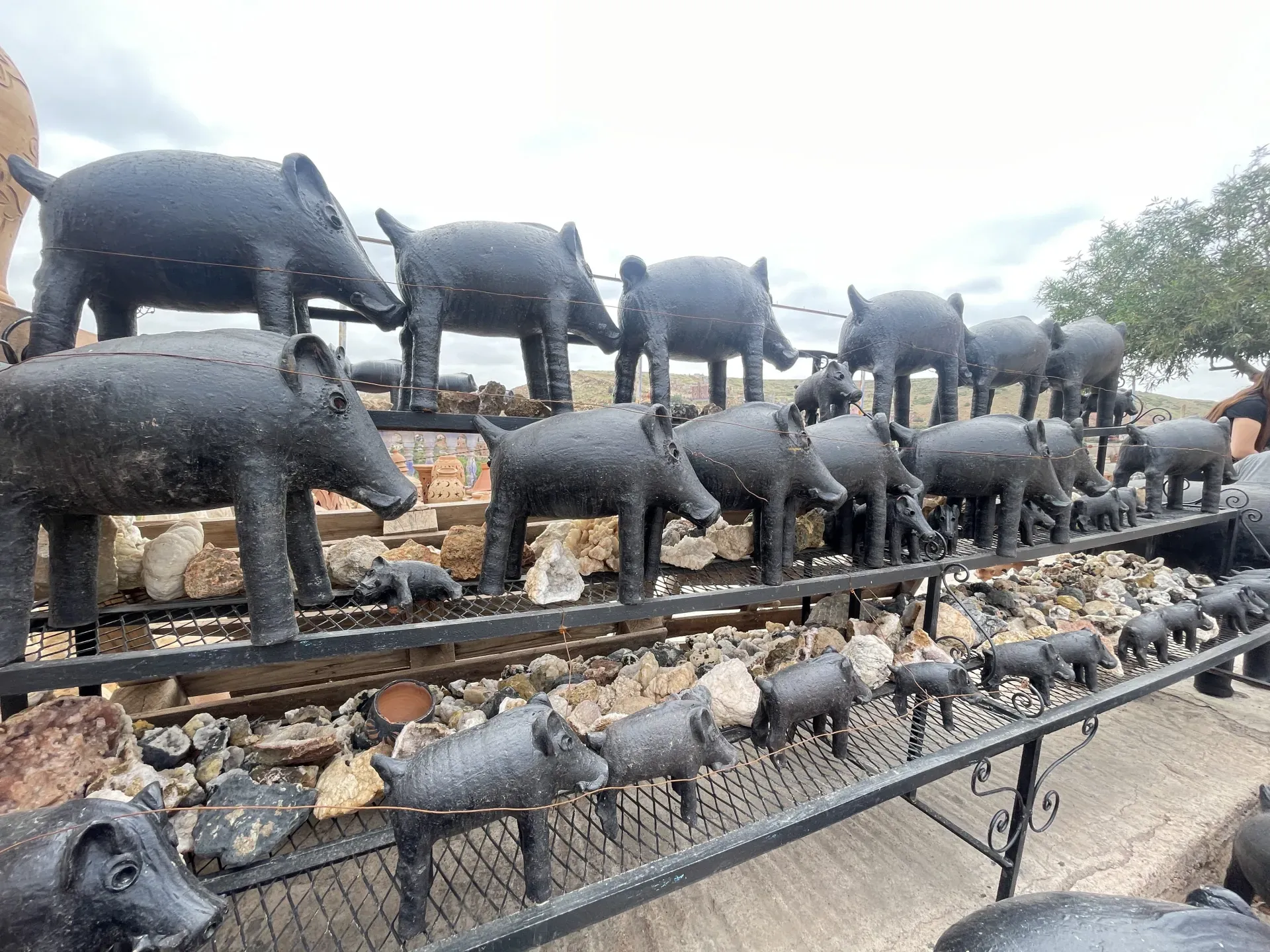
Strange Ceramic Pigs Captivate Visitors in the Atl...
May 23, 2026
Unique Sightings in Marrakech's Atlas MountainsVisitors to the outskirts of Marrakech, Morocco, are currently experiencing a delightful surprise with the emergence of peculiar ceramic pigs that have taken residence amidst the surrounding mountains. This unexpected sight has left many tourists in awe, as these ceramic creatures are not a common sight during this time of year. Traditionally, the local markets are bustling with vendors selling handcrafted pottery, vibrant rugs, and various artisanal products, but this year, they’ve added a quirky twist to their offerings with these whimsical ceramic pigs, crafted from the same clay used for traditional tagines and cooking utensils.These ceramic pigs have become a prominent feature in numerous shops across the Atlas Mountains, particularly in the Al-Haouz region near Marrakech, with almost every store showcasing them in various sizes. One vendor, who preferred to remain anonymous, shared that the prices for these quirky pigs range from about 60 dirhams (approximately 6 USD) for the smaller versions to 400 dirhams (around 40 USD) for the larger ones. The vendor humorously noted that such a price could have once bought a sheep just a few years ago, reflecting on the strange yet appealing nature of this product that he himself seemed skeptical about selling.The Attraction of Wild Boar Hunting and Tourism GrowthDespite the oddity of the product, market dynamics dictate the demand, especially as this is the time of year when tourists flock to the mountainous areas. Among these visitors are those keen on hunting the wild boars that roam these highlands. The National Agency for Water and Forests in Morocco, which is responsible for managing the country’s forest resources and hunting regulations, has established an annual program to control the wild boar populations in areas where they pose a threat to local communities and agriculture. This program allows local and foreign hunters to participate in regulated hunting activities during specific times of the year.The wild boar hunting season for 2025-2026 commenced last October, with programs running through March, April, May, and June, continuing until September. According to the Moroccan Ministry of Tourism, Handicrafts, and Social Economy, Morocco welcomed 19.8 million tourists in 2025, marking a 14% increase from 2024. The Regional Tourism Council of Marrakech-Safi reported that over 5 million tourists visited Marrakech in the previous year alone. Furthermore, Marrakech-Menara Airport saw a significant increase in passenger traffic by 12% from January to the end of November 2025, with hotel occupancy rates reaching 73%, a 2% increase from the previous year. The tourism revenue for the past year amounted to 138 billion dirhams (approximately 13.8 billion USD), reflecting a 21% growth compared to the previous year.Despite the abundance of these strange ceramic pigs in local shops, it appears that they are primarily aimed at tourists rather than locals, who tend to buy traditional pottery, particularly the famous tagine, and enjoy the delectable local cuisine. Local visitors often stop by these shops, snapping pictures with the quirky pigs amidst laughter from both children and adults, yet they refrain from purchasing them. For many locals, eating or buying pigs, even if made from clay, is considered forbidden, but capturing memorable photographs with these whimsical figures in the picturesque mountainous backdrop is perfectly acceptable.As reported by aljazeera.net.
Moncho’s Group to Launch Luxury Hotel Project in M...
May 23, 2026
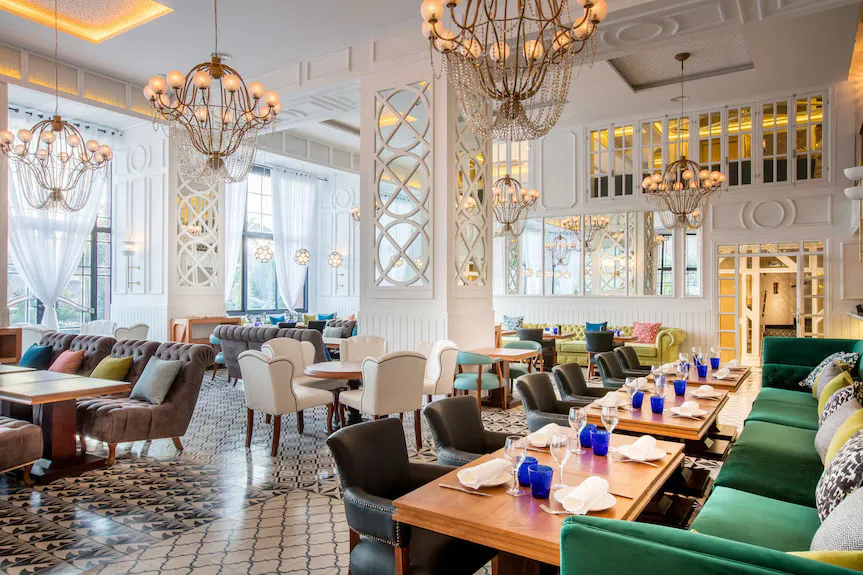
Moncho’s Group, a leading player in the luxury restaurant and hotel sector, is gearing up to unveil a new hotel project in Marrakech with an impressive investment of approximately €15 million. This venture underscores the group's commitment to strengthening its presence in the Moroccan tourism market and offering high-end hospitality services, particularly those linked to Mediterranean cuisine.According to Spanish media reports, the Barcelona-based group has decided to expand its footprint in Morocco following the success of its first hotel, the "2Ciels Luxury Boutique Hotel & Spa." This establishment has served as the group's gateway into the Moroccan tourism landscape for several years, setting a solid foundation for future endeavors.The new project will adopt a luxury boutique hotel concept, focusing on combining high-quality accommodation with gourmet dining experiences. This approach is well-known to the Spanish group, particularly through its esteemed restaurant "Botafumeiro," which is one of the standout names in Spain's dining scene.The report further highlights that the upcoming project will be housed within a building dating back to the 1980s, currently undergoing extensive renovations to meet strict quality standards. This is part of a broader effort in Morocco to enhance its tourism infrastructure in preparation for upcoming international events, notably the 2030 World Cup.The group has expressed that the positive reception of its first venture in Marrakech has encouraged them to broaden their operations within Morocco. The popularity of the "2Ciels" hotel and its associated dining and bakery facilities has reinforced the belief that the Moroccan market presents significant investment opportunities in the luxury hospitality and tourism sectors.As reported by nichanealane.ma.
Kawkab Marrakech Secures Vital Victory Against Mek...
May 23, 2026
Kawkab Marrakech Dominates with a 3-1 VictoryKawkab Marrakech achieved a well-deserved victory against their guest, Meknes Club, with a scoreline of three goals to one in a match held at the Grand Stadium of Marrakech as part of the 21st round of the professional league. This encounter highlighted the Marrakech team’s strong desire to take control of the match from the very beginning, reminiscent of their previous performance in the Cup of the Throne against the Soualem team, as they finished the first half with a comfortable two-goal lead, showcasing their offensive rhythm clearly.The Kawkab team entered the match with a powerful attacking intent that was evident through their swift movements and relentless pressure on the Meknes defense. Claude Gnolo opened the scoring with a penalty kick in the 14th minute, followed by Ismail Mihrab doubling the lead in the 39th minute, giving the team an early and comfortable advantage.Meknes Club's Struggle and the Heroics of the Kawkab KeeperIn the second half, Meknes Club managed to assert their dominance with continuous attacks as the Marrakech team retreated into a defensive stance. This shift exposed several defensive lapses that have been troubling the technical staff led by Coach Dmii. The lack of stability in the defensive duo was apparent, creating gaps that could have allowed the opposition to score more goals if not for the outstanding performance of goalkeeper Jamjami.Jamjami emerged as one of the stars of the match, acting as the 'balance of power' within the team. He made several crucial saves against Meknes Club, including two bicycle kick attempts that nearly resulted in goals, reaffirming his importance within the Kawkab lineup during a phase that requires significant defensive concentration.In the stands, the Kawkab fans continued their traditional displays of support and chants throughout the match, reflecting the loyalty of the Marrakech supporters to their team. The game also saw the southern stand, home of the “Ultra Crazy Boys,” hosting Meknes fans who came to support their team, portraying a sportsmanship spirit that exemplifies the high moral character of the fans in Marrakech.Following this victory, Kawkab Marrakech breathed a sigh of relief as the win provided them with an additional boost in their fight for survival. They climbed to eighth place with 26 points, temporarily distancing themselves from the bottom four positions that have been chasing the team in recent rounds. This victory offers the squad an important morale boost as they aim to continue achieving positive results in upcoming matches.As reported by almarrakchia.net.
Empowering Democracy: The Intersection of Election...
May 23, 2026
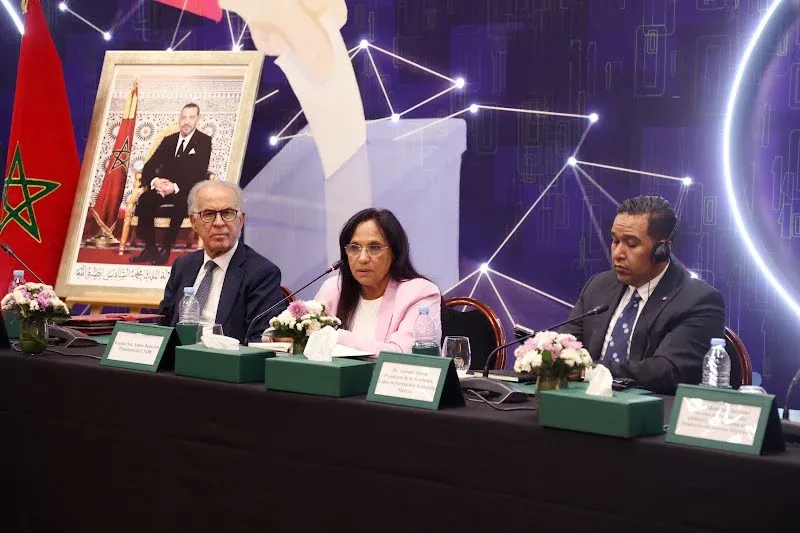
Understanding Elections as a Fundamental Right Amine Bouayach, the President of the National Human Rights Council, emphasized the notion that elections are not merely procedural mechanisms for the transfer of power or participation in public affairs; rather, they constitute a constitutional and universal right intricately linked to fundamental human rights. These rights encompass individual voting and candidacy, absolute freedom of opinion and choice, freedom of expression, participation in public management, and equality in access to public spaces and information. In her speech at the opening of the tenth conference on human rights and electoral laws held in Marrakech, Bouayach articulated the critical role that elections play in the democratic process, framing them as foundational elements that uphold individual liberties and civic engagement. Challenges and Opportunities in the Age of Digital Transformation During her address, Bouayach reflected on the transformative changes brought about by rapid advancements in technology and artificial intelligence, urging a re-evaluation of how these developments reshape public discourse and citizen engagement. She raised pertinent questions regarding the protection of fundamental rights and the safeguarding of democratic electoral processes in a digital era where technology can influence public opinion and alter the relationship between citizens and information. The ongoing digitization presents both profound challenges and unprecedented opportunities, particularly concerning the integrity of public discourse and the preservation of trust within democratic societies. Notably, she highlighted the emergence of misinformation and deceptive narratives as critical threats to the essence of electoral processes and individual choice, emphasizing the need for collective responsibility to mitigate these risks. Furthermore, Bouayach underscored the importance of harnessing technology to enhance public freedoms and improve service accessibility. She pointed out that the digital realm has evolved from mere communication spaces to essential public arenas where collective opinions and choices are formed. This evolution necessitates a thoughtful approach to governance that prioritizes human rights within the framework of technological advancements. The National Human Rights Council is actively engaged in understanding these transformations and integrating them into a coherent rights-based institutional vision. Bouayach noted the significance of the 2021 electoral process as a pivotal moment in this journey, focusing on digital discourse analysis, information dissemination dynamics, and social media interactions. Concluding her remarks, Bouayach proposed that the conference culminate in a final document serving as a reference point for establishing a structured dialogue and exchange of experiences among stakeholders from various global southern nations. This collaborative effort aims to foster a shared understanding of the rapid technological shifts from a human rights perspective, ultimately enhancing participation, freedom, and justice. As technological transformations continue to unfold, the collective responsibility remains to ensure that human rights, transparency, and accountability are upheld in the public domain, regardless of evolving tools and platforms. As reported by hespress.com.
Agadir
View all
Heatwave Alert: Temperatures Soar to 44°C Across M...
May 23, 2026
Severe Heatwave Expected in Morocco Morocco is bracing for an intense heatwave that will impact several provinces from Saturday, May 23, to Tuesday, May 26, as reported by the General Directorate of Meteorology (DGM). According to their orange alert bulletin, temperatures are anticipated to reach a staggering 44°C, particularly in the southern regions and the Saharan provinces. The provinces most likely to experience these extreme temperatures include Tata, Es-Semara, Assa-Zag, Boujdour, Oued Eddahab, Aousserd, Tarfaya, Tan-Tan, Taroudant, and Laâyoune, where thermometers are expected to register between 41 and 44°C throughout this period. Widespread Affects and Precautionary Measures A broader set of provinces will also be affected by high temperatures ranging from 37 to 41°C during the same days. This group encompasses regions such as Sidi Slimane, Rhamna, Nouaceur, Khemisset, Sidi Bennour, Youssoufia, Béni Mellal, Fquih Ben Salah, Meknès, Khénifra, Fès, Kénitra, Sidi Kacem, Benslimane, Berrechid, Khouribga, Settat, Chichaoua, El Kelaa des Sraghna, Marrakech, Moulay Yacoub, Taounate, Larache, Ouezzane, Essaouira, and Safi. From Monday to Tuesday, a continuation of high temperatures ranging between 37 and 41°C is predicted for the provinces of Agadir-Idaoutanane, Chtouka-Ait Baha, Inezgane-Ait Melloul, Tiznit, Rabat, Salé, and Skhirate-Témara. Slightly lower temperature ranges of 34 to 37°C are forecasted for coastal cities such as Sidi Ifni, Casablanca, Mediouna, Mohammedia, and El Jadida. Authorities recommend that residents take necessary precautions to mitigate the health risks associated with this extreme weather. As reported by lavieeco.com.
Governor Amzazi Inspects Livestock Market in Agadi...
May 23, 2026
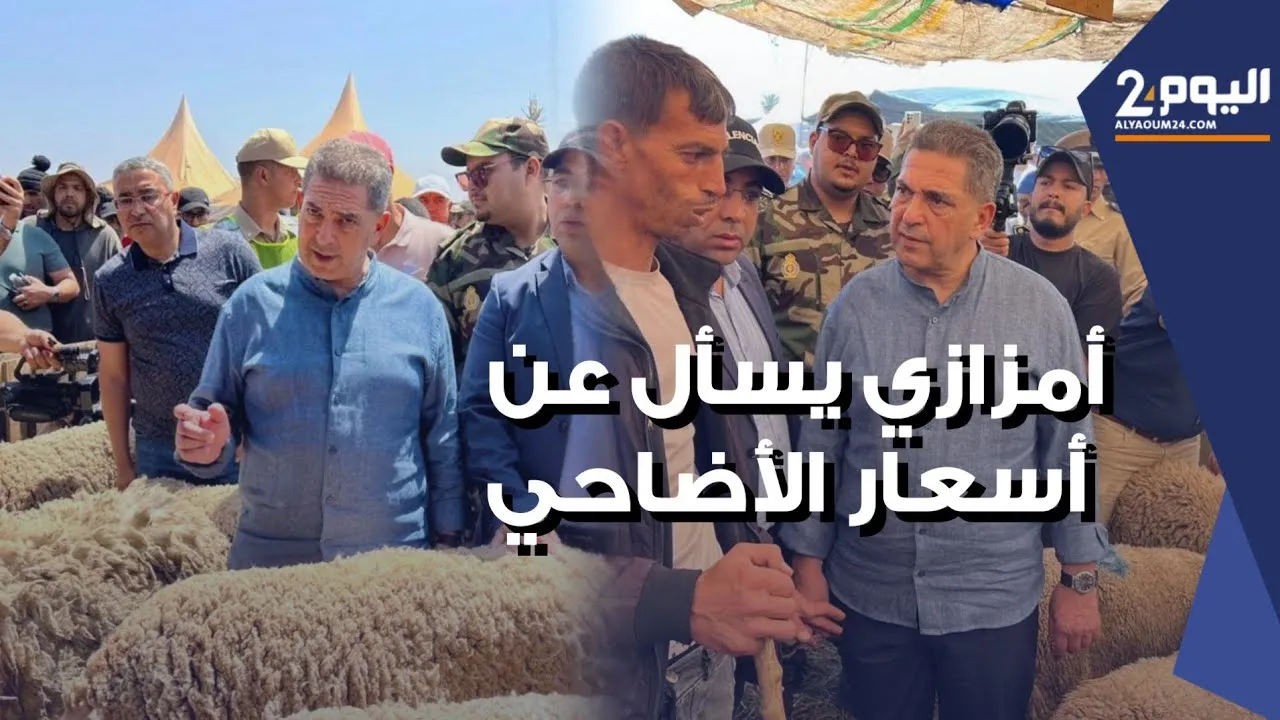
Governor Amzazi's Visit to the Livestock Market The Governor of the Agadir-Ida-Outanane Prefecture, Amzazi, recently undertook an important visit to the local livestock market, where he carefully observed the current market prices and conditions affecting livestock trading. This initiative is part of a broader effort to ensure transparency and fairness in pricing for both buyers and sellers in the region. During his visit, Governor Amzazi engaged with local farmers and traders, gaining insights into their challenges and the economic climate that influences their livelihoods. This hands-on approach demonstrates the governor's commitment to supporting the agricultural community and addressing the pressing issues they face. As the livestock market plays a crucial role in the local economy, particularly in rural areas, the governor's attention to the market dynamics is timely. Many farmers have expressed concerns regarding fluctuating prices and the impact of economic factors on their operations. By directly interacting with market participants, Governor Amzazi is not only gathering vital information but also fostering a sense of community and collaboration among stakeholders. Such visits are essential in understanding the local agricultural landscape and can lead to informed policy decisions that promote sustainable growth in the sector. The governor's proactive approach in engaging with the community reflects a broader trend of local governance that prioritizes citizen involvement and responsive leadership. As reported by youtube.com.
High Surveillance for Aid Al Adha Markets in Agadi...
May 23, 2026
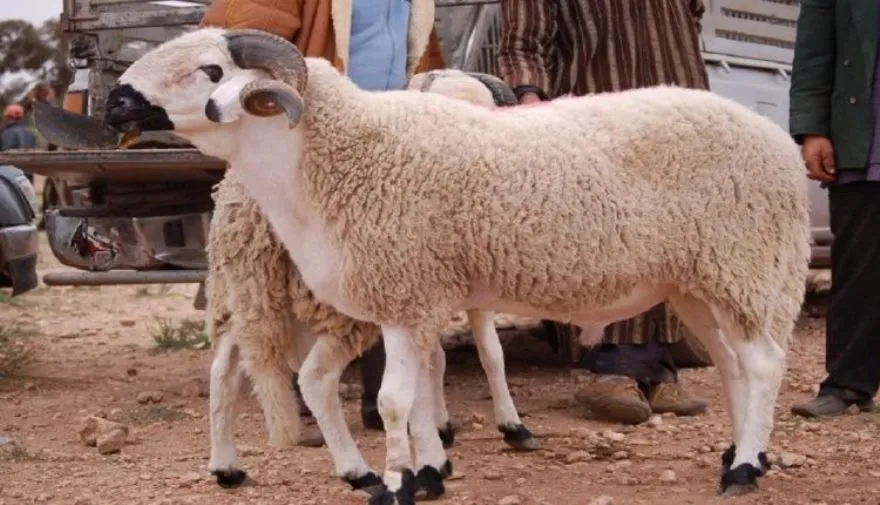
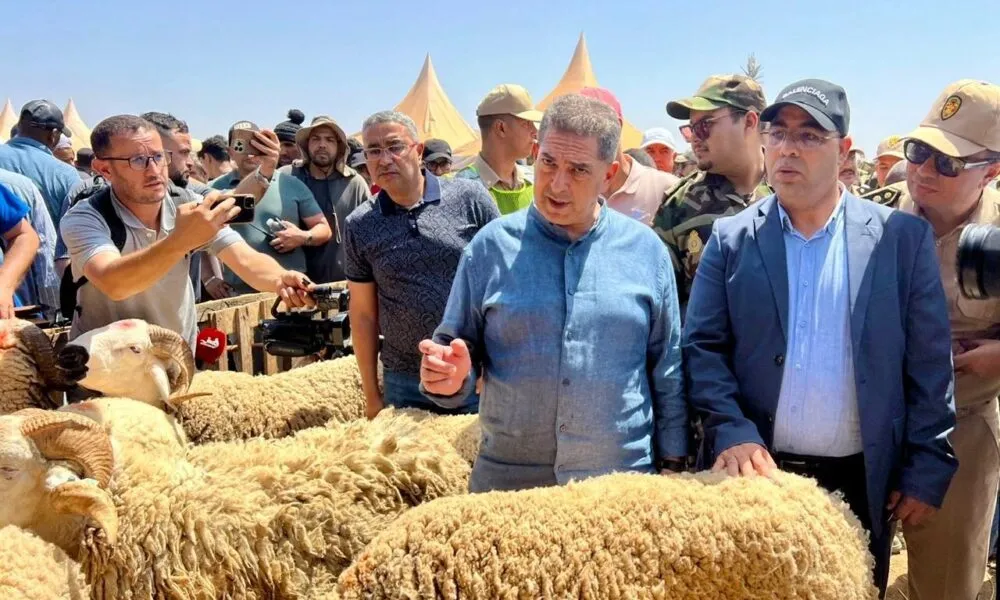
Heightened Oversight for Livestock Markets Ahead of Aid Al Adha In a proactive move to ensure fair pricing and safeguard consumer purchasing power, Wali Saaïd Amzazi conducted an inspection of the Tikouine sacrificial animal market on Saturday, May 23, 2026. This market, which spans an impressive seven hectares, is currently home to over 21,000 heads of sheep and goats, with 306 operators managing the livestock. The inspection aimed to confirm that the market operates under stringent health and safety standards while also monitoring price levels. During his visit, Amzazi reviewed the conditions in which the animals are displayed and verified compliance with health regulations. He meticulously examined the four sections of the market, beginning with the first lot, which features 11,355 animals managed by 158 operators, down to the fourth lot containing 1,413 animals. This thorough inspection underscores the government's commitment to regulating the market effectively. This year, the government has taken decisive steps to centralize the sale of sacrificial animals within authorized markets, aiming to eliminate the involvement of intermediaries. The strategy is designed not only to curb price speculation but also to protect the financial interests of consumers. Amzazi emphasized the need for continuous patrols and stricter oversight of transactions, declaring a zero-tolerance policy towards fraud, monopolistic practices, and price manipulation. As Aid Al Adha approaches, the pressure on households to manage expenses is palpable, with the price of sheep being a primary concern for many families. The measures being implemented are intended to ensure that the market serves its regulatory role effectively and does not become a source of anxiety for consumers during this significant period of celebration. In addition to regulatory measures, authorities have also arranged logistical provisions to facilitate smooth traffic within the market, ensuring a peaceful purchasing environment. With Aid Al Adha just around the corner, the message from the authorities is clear: the markets will remain under vigilant surveillance to maintain the festive spirit of this important Islamic celebration, which is characterized by deep spiritual fervor, social cohesion, and tradition, rather than becoming a source of worry for families. As reported by lavieeco.com.
Morocco Aims to Establish Dakhla as a Key Atlantic...
May 23, 2026
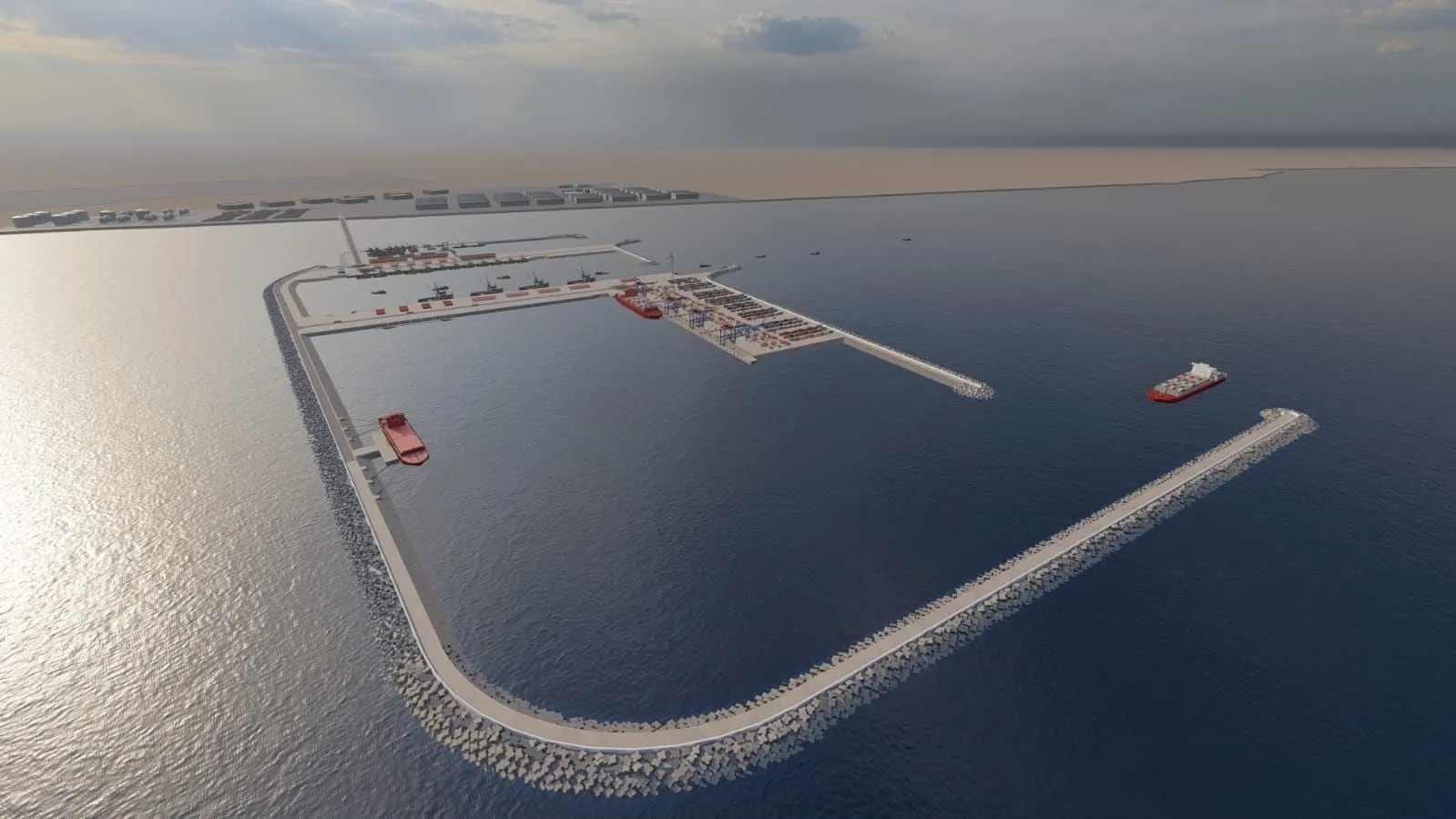
Morocco's Strategic Maritime Expansion Through DakhlaIn a bold move to enhance its maritime capabilities, Morocco is setting its sights on the southern port city of Dakhla as a pivotal Atlantic hub. This initiative, articulated by Transport and Logistics Minister Abdessamad Kayouh during the National Maritime Conference held in Tangier, aims to establish new direct maritime routes connecting Dakhla with Europe, Africa, and other global destinations. The overarching objective of this endeavor is to significantly bolster trade and logistics capacity, thereby integrating Morocco’s southern provinces into vital international shipping corridors.Kayouh emphasized that the development of maritime routes from Dakhla, in conjunction with Agadir, is critical for strengthening the kingdom's economic ties and facilitating exporters' access to international markets. The proposed connections are designed to link Dakhla directly to various ports across Europe, West Africa, and the broader Atlantic region, positioning Morocco as a strategic bridge between continents. Furthermore, the Moroccan government is prioritizing the expansion of transport links across the Strait of Gibraltar, which is notably one of the busiest maritime crossings for both passenger and freight traffic between Morocco and Europe.In line with these ambitions, a first round of tenders has been initiated to enhance passenger and freight transport services across the strait, with a specific focus on strengthening and diversifying maritime connections with Spain. This strategic initiative aims to alleviate congestion and improve logistical efficiency, particularly during peak travel periods, such as the annual “Marhaba” summer transit operation that accommodates approximately 3.7 million passengers and 800,000 vehicles each year.Morocco's commitment to expanding its maritime capacity underscores the nation's reliance on sea transport, which constitutes around 95% of its external trade, in contrast to the global average where shipping accounts for over 90% of international trade. Kayouh highlighted that this maritime strategy builds upon significant investments in port infrastructure made over recent decades, including the development of ports like Tanger Med, Nador West Med, and the forthcoming Dakhla Atlantique port. Such developments are not only vital for enhancing maritime trade but also for solidifying Morocco's role as a major player in regional and global logistics.As reported by northafricapost.com.
Rabat
View all
Mamelodi Sundowns Aim for Glory in CAF Champions L...
May 23, 2026
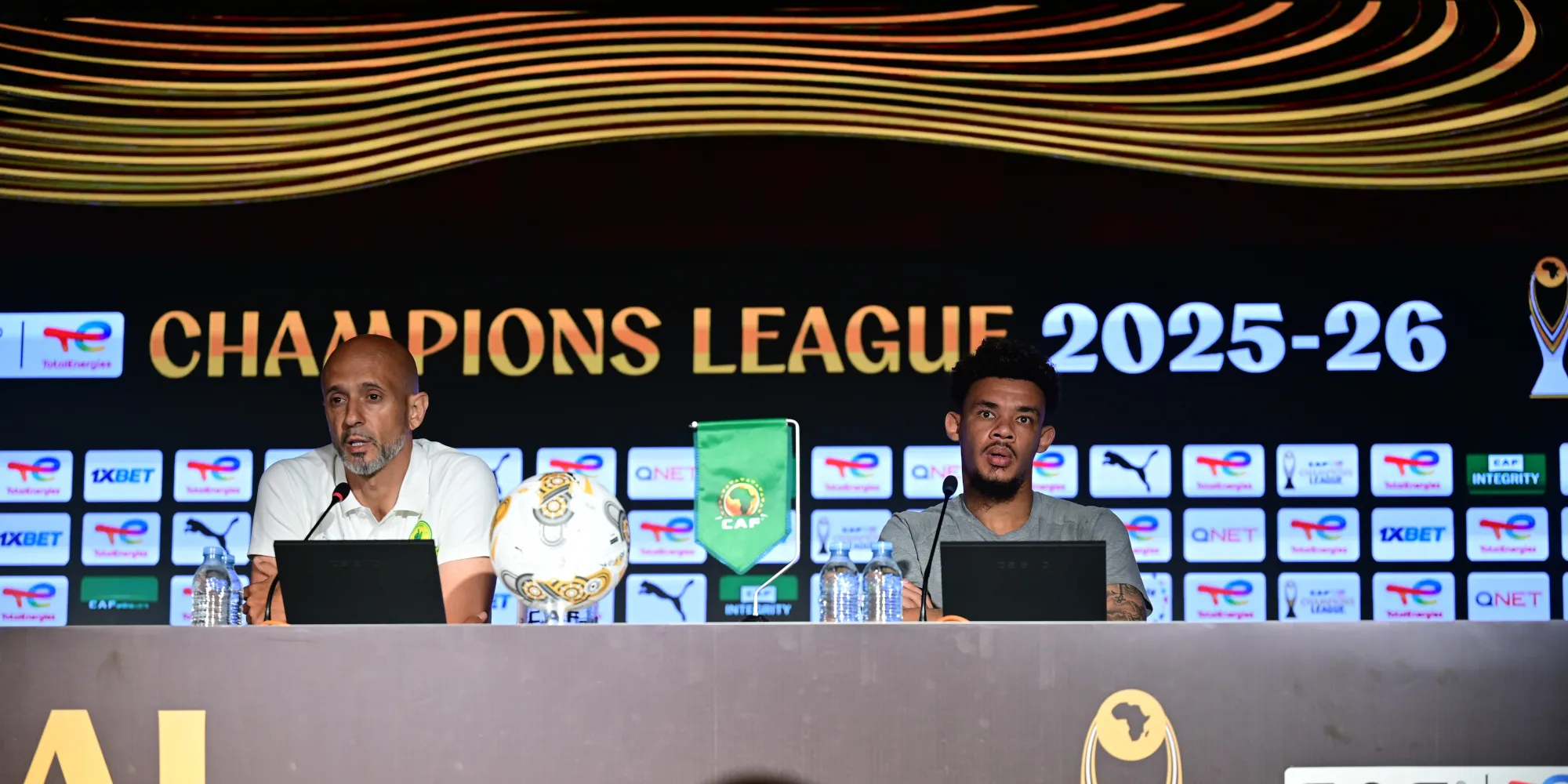
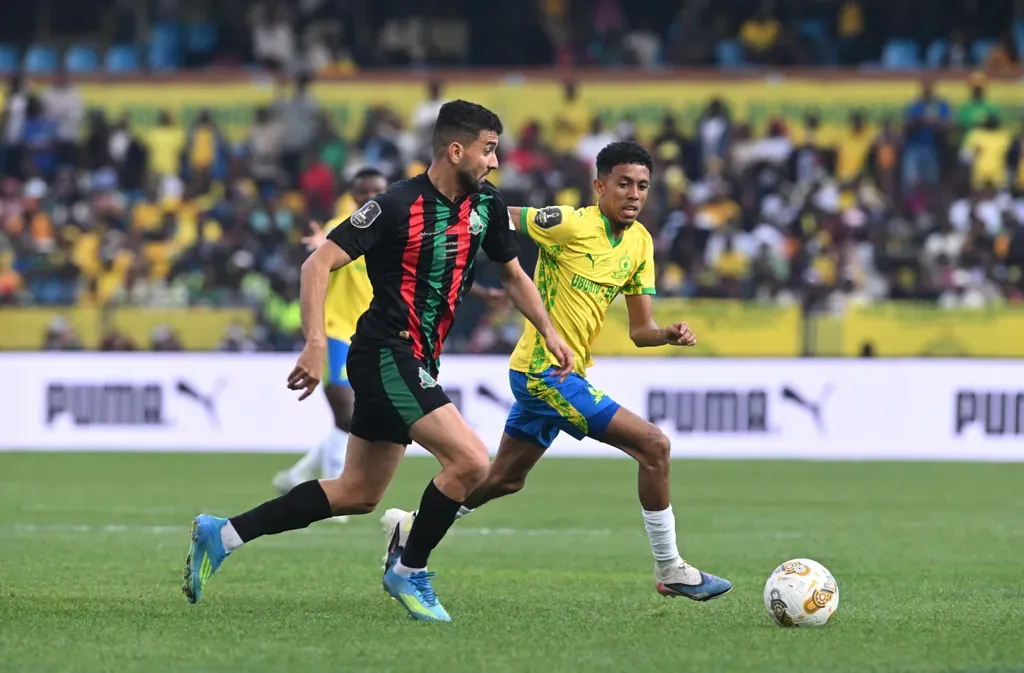
Mamelodi Sundowns Seek Redemption in CAF Champions League FinalIn an exhilarating culmination to a challenging season, South Africa's Mamelodi Sundowns are poised to secure a prestigious victory as they face Moroccan rivals AS FAR Rabat in the second leg of the CAF Champions League final. With a narrow 1-0 advantage from the first leg, Sundowns will step onto the pitch at the 70,000-seat Prince Moulay Abdellah Stadium, where they will contend not only for the title but also for a historical financial reward. This match, set to be broadcast in over 100 countries, carries significant weight for Sundowns coach Miguel Cardoso, who is under immense pressure following back-to-back losses in previous finals.Winning this year's CAF Champions League final is not just about lifting the trophy; the aggregate winners will receive a record $6 million, with an additional opportunity to earn $500,000 by triumphing in the subsequent CAF Super Cup match. Furthermore, the champions are guaranteed a minimum payout of $9.5 million as they qualify for the 2029 FIFA Club World Cup, a significant financial boost for any club. Last year, Sundowns participated in the inaugural edition of the World Club Championship in the United States, coming away with a staggering $12.5 million in earnings.As the teams prepare for this high-stakes showdown, the psychological dynamics between the coaches adds an intriguing layer to the match. Cardoso, a seasoned Portuguese manager, has led teams to the finals of the Champions League on multiple occasions but has yet to grasp the trophy—a feat that no coach has managed since the competition's inception in 1964. In contrast, AS FAR's coach Alexandre Santos, four years younger than Cardoso, is on a quest for his inaugural African trophy. Their contrasting coaching styles—Cardoso’s active sideline presence versus Santos's composed demeanor—will be pivotal as both teams vie for supremacy on the pitch.In the lead-up to the final, Sundowns' performance has been scrutinized, particularly their inability to secure a larger first-leg victory. Cardoso acknowledged that they had opportunities to extend their lead, emphasizing the need to harness the energy from their previous match to claim the championship title. Meanwhile, AS FAR, currently just one point adrift of the Moroccan league leaders, aim to capitalize on their home advantage and maintain their unbeaten streak in the domestic league. With only four points separating the top five teams, the competition remains fierce.Historically, finals with a 1-0 first-leg scoreline have yielded mixed results, with half of such teams going on to clinch the title. As the anticipation builds for this decisive encounter, both clubs know that the path to victory could hinge on crucial moments, whether through an away goals rule or a nail-biting penalty shootout. With both teams equally determined to etch their names in the annals of African football history, fans can expect a thrilling finale as Mamelodi Sundowns and AS FAR Rabat battle for glory.As reported by aljazeera.com.
AS FAR Rabat vs Mamelodi Sundowns: How to Watch th...
May 23, 2026
Match Preview: AS FAR Rabat vs Mamelodi Sundowns In a highly anticipated clash, AS FAR Rabat will face the Mamelodi Sundowns on Sunday, May 24, at the Prince Moulay Abdellah Stadium in Rabat, Morocco. Following a narrow 1-0 defeat in the first leg held in Pretoria, AS FAR Rabat is eager to overturn the result and secure their place in the annals of African football history during this CAF Champions League final rematch. The game is set to kick off at 20:00 local time (GMT+1), which is 21:00 in France. Fans can catch the live broadcast on beIN Sports 2 in France and beIN Sports Mena in Morocco. What to Expect from the Return Leg The Sundowns, having clinched a vital away goal courtesy of Aubrey Modiba's free-kick just before halftime, have positioned themselves favorably for this return fixture. They managed to maintain a clean sheet at home, which is critical in knockout competitions. Despite facing challenges during the match, including a VAR controversy that delayed the game by nearly 30 minutes, AS FAR Rabat demonstrated resilience and held on to hope, thanks in large part to their goalkeeper, Ahmed Reda Tagnaouti, who made several crucial saves. This upcoming match is expected to be a thrilling encounter, with an anticipated crowd of 60,000 passionate supporters rallying behind the home team. As both teams aim for their second title in the competition—AS FAR Rabat's last win dating back to 1985 and Mamelodi Sundowns winning in 2016—the stakes could not be higher. With the return of key players like Fallou Mendy for AS FAR and Grant Kekana for Mamelodi Sundowns, both squads will be at full strength, ready to battle it out for glory in this iconic matchup. As reported by afrik-foot.com.
Petra Marcinko Claims First WTA Title in Rabat
May 23, 2026
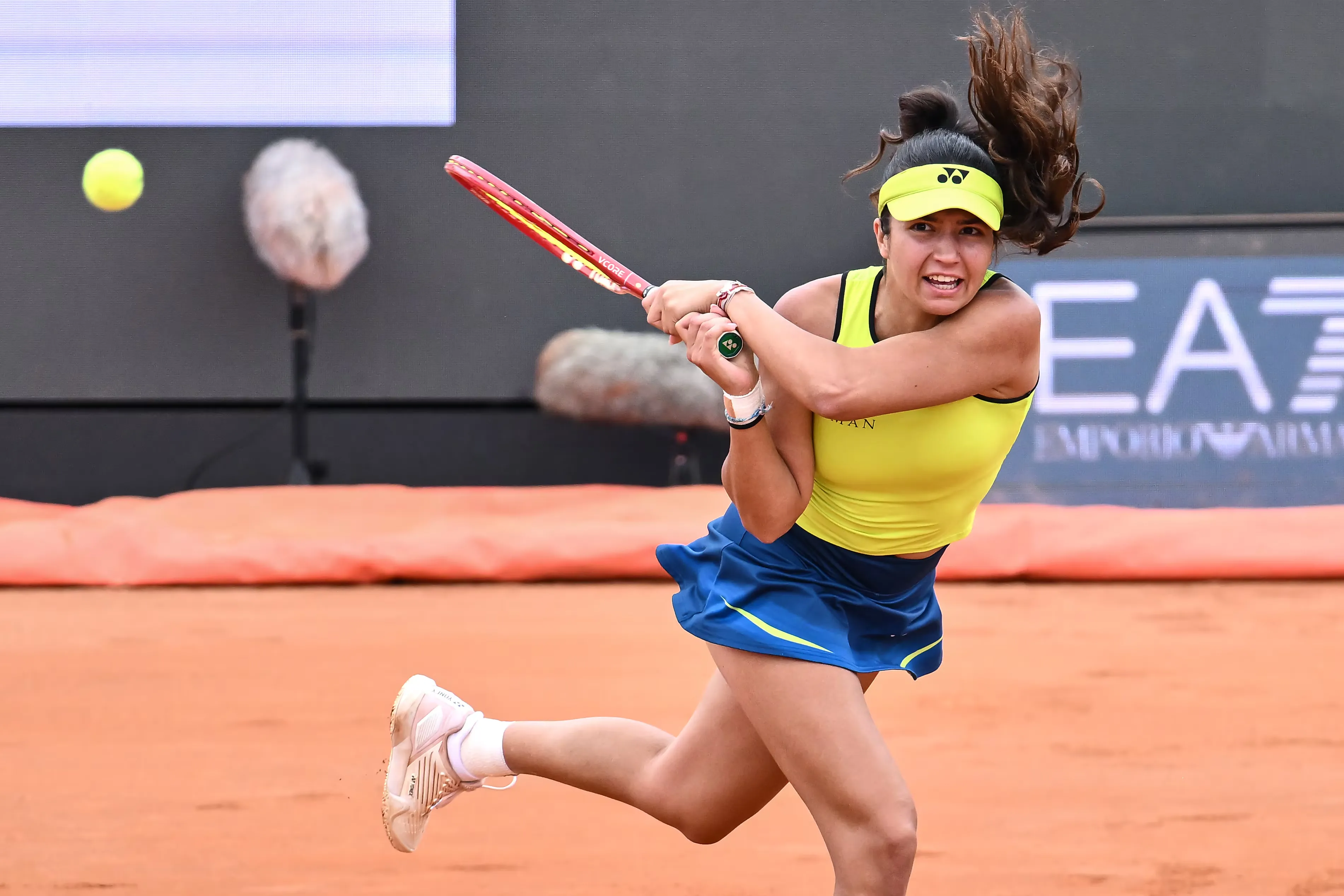
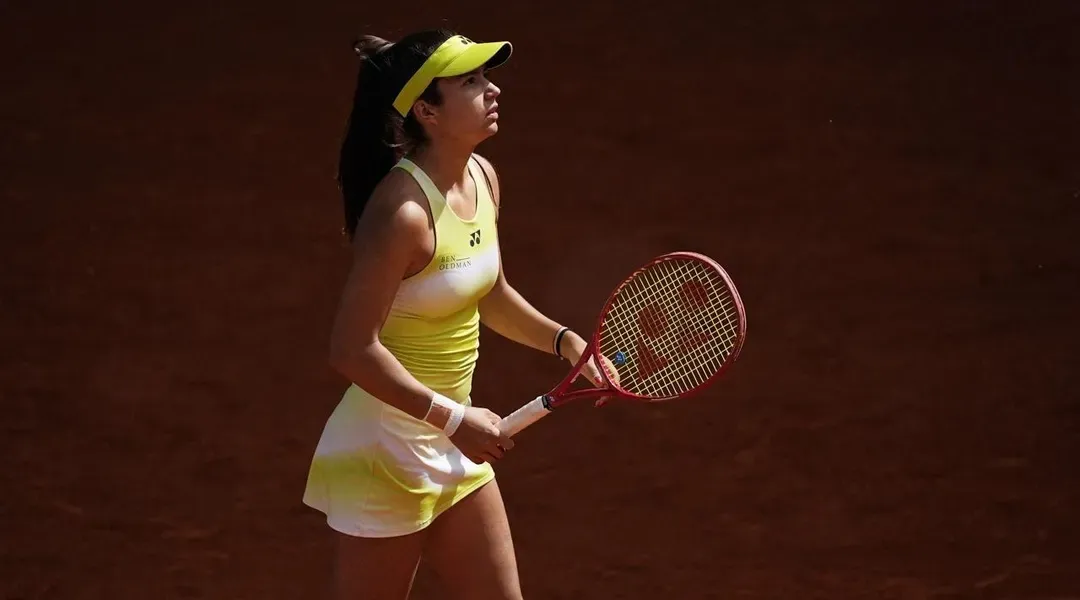
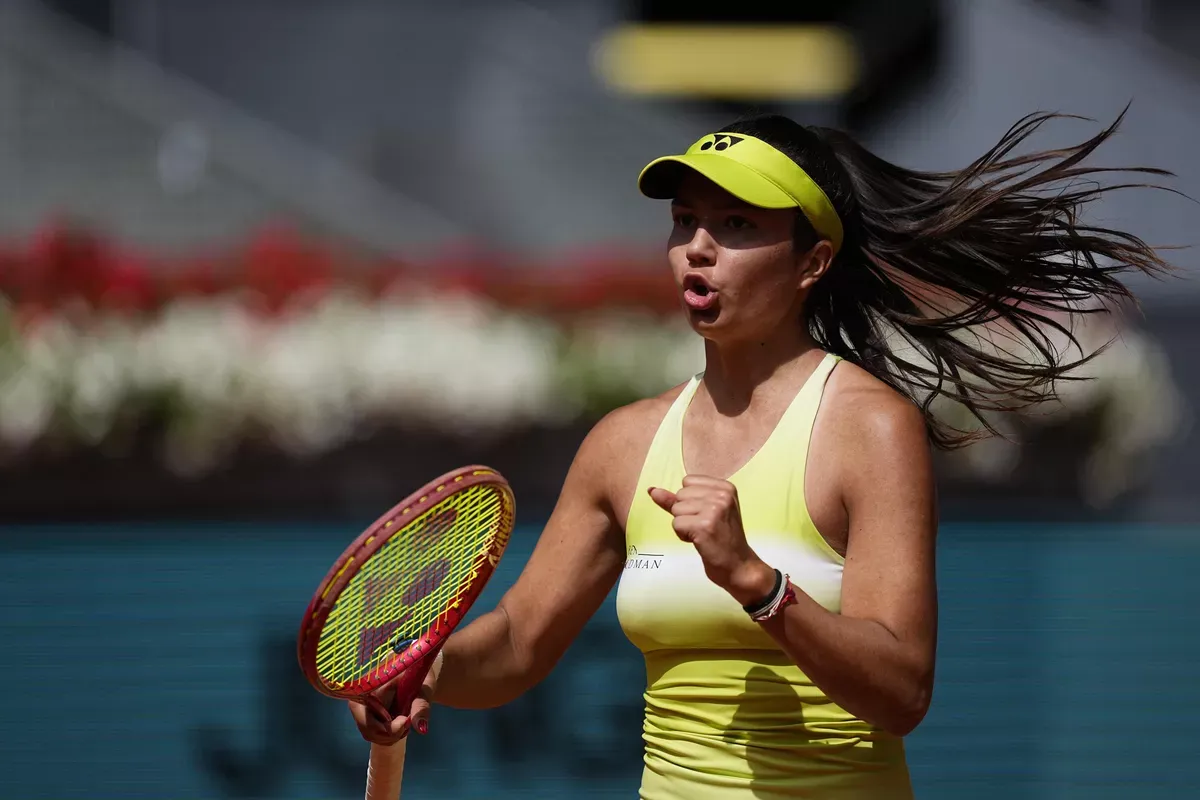
Petra Marcinko Achieves a Major Milestone in Her Tennis Career In a remarkable display of skill and determination, Petra Marcinko, the 20-year-old Croatian tennis player, has secured her first title on the WTA circuit. This significant achievement came during the tournament held in Rabat, where she triumphed over Ukrainian player Anhelina Kalinina. Ranked 76th in the world, Marcinko's victory marks a pivotal moment in her burgeoning career and highlights her potential as a rising star in women's tennis. Facing off against Kalinina, Marcinko showcased her talent and composure under pressure, ultimately clinching the match in a thrilling finale. This victory not only adds her name to the list of accomplished female athletes but also serves as a testament to her hard work and dedication to the sport. As she celebrates this milestone, the tennis community eagerly anticipates her future performances and the impact she will undoubtedly make on the professional circuit. As reported by saint-malo.maville.com.
Petra Marcinko Claims Her First Title on the Clay...
May 23, 2026
Petra Marcinko Makes a Mark in Rabat with First Career Title In a remarkable display of skill and determination, young Croatian tennis player Petra Marcinko has clinched her first professional title at the ITF tournament held in Rabat, Morocco. This achievement marks a significant milestone in her burgeoning career, demonstrating her potential to rise within the ranks of women's tennis. Competing on the clay courts, Marcinko showcased not only her powerful serve but also her strategic gameplay, which proved crucial in her journey to the championship. The final match saw Marcinko face off against a determined opponent, yet she maintained her composure throughout the encounter. Her relentless pursuit of victory was evident as she fought through challenging sets, ultimately emerging victorious. This triumph not only adds a prestigious title to her name but also serves as a catalyst for her future endeavors on the professional circuit. With this win, Marcinko has undoubtedly garnered attention and respect from both peers and tennis aficionados alike, paving the way for her to be a formidable contender in upcoming tournaments. As she celebrates this achievement, the young athlete remains focused on her training and development, aiming to build on this success and continue improving her game. Fans and analysts alike will be watching closely to see how she performs in future competitions, as this title in Rabat could be just the beginning for Petra Marcinko. As reported by lefigaro.fr.

Exploring the Complex Friendship in When Harry Met Sally
The Dynamics of Friendship and Love in When Harry Met Sally_When Harry Met Sally…_ is a thought-provoking film that delves into the age-old question: can men and women sustain a platonic friendship? The narrative unfolds through the experiences of Harry (played by Billy Crystal) and Sally (portrayed by Meg Ryan), who first meet shortly after their college graduation. During a shared road trip from Chicago to New York City, Harry boldly asserts that true friendship between men and women is unattainable due to the inevitable intrusion of sexual attraction. Despite their differing perspectives, a palpable chemistry develops between the two characters, suggesting a deeper connection that transcends mere friendship. Over the years, their lives intersect repeatedly, culminating in a romantic relationship that ultimately leads to marriage.Interestingly, the physical difference between the two leads—Billy Crystal standing at just over five feet six inches and Meg Ryan at five feet eight inches—adds a layer of believability to their friendship. When she dons heels, their height difference remains minimal, allowing audiences to perceive them as equals and friends rather than traditional romantic partners. This contrasts with the iconic pairing in _Casablanca_ (1942), where Rick (Humphrey Bogart) and Ilsa (Ingrid Bergman) share a passionate love story despite their own height disparity. The way the two actors are filmed together suggests a more balanced dynamic, allowing viewers to accept their relationship with a sense of awe, as opposed to the more relatable friendship depicted between Harry and Sally.Analyzing Love and Cynicism Through Cinematic References_Casablanca_ serves as a recurring motif throughout _When Harry Met Sally…_, with the characters engaging in discussions about the classic film across various pivotal moments in their lives. Their first conversation about _Casablanca_ occurs during their road trip, and later, they share the film in a more intimate setting, watching it separately while on the phone. During these discussions, Harry interprets Rick's actions as an example of sacrifice for the greater good, while Sally offers a more cynical view, suggesting that Ilsa's motivations are rooted in socio-economic ambition rather than pure love. This contrast in perspectives reflects the film's exploration of love versus pragmatism, a theme that resonates with contemporary audiences.As the film navigates through the complexities of relationships, it raises questions about the nature of love itself. Harry's characterization of the choice between passionate romance and a loveless marriage underscores a societal shift in perceptions of love. Sally, influenced by her friends' experiences, posits that marriage often diminishes sexual intimacy, implying that even the most ardent relationships may not withstand the test of time. The film's conclusion, which sees Harry and Sally embracing both friendship and romance, challenges viewers to consider the viability of such a union. Are they simply a product of their environment, or can their relationship serve as a beacon of hope for future couples?Ultimately, _When Harry Met Sally…_ presents a nuanced exploration of the intersection between friendship and love, prompting audiences to reassess their beliefs about relationships. The film’s portrayal of Harry and Sally's journey encourages viewers to reflect on their own experiences, questioning whether true platonic friendships can exist amidst the complexities of modern romance. As the characters evolve, so do their perceptions of love, leading to a finale that both satisfies and provokes further thought. In a world where the essence of love is often depicted in tragedy, this film offers a refreshing perspective on the potential for happiness within the framework of friendship and romance.As reported by dailykos.com.