The Political Maneuvering Surrounding the 2026 World Cup Bid
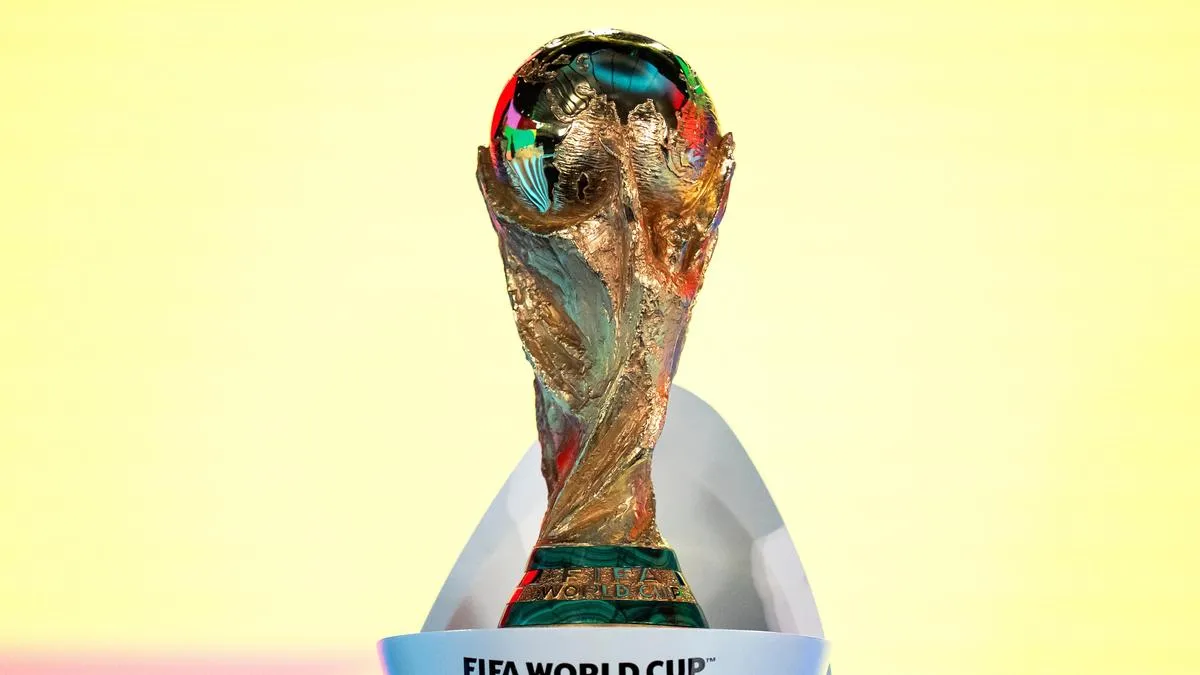
In 2018, FIFA claimed to prioritize ethical considerations in the selection process for the 2026 World Cup host. However, behind the scenes, the bidding process rapidly devolved into a political thriller characterized by threats from Donald Trump via Twitter, betrayals from historic allies, and significant financial pressures that ultimately favored the joint bid from the United States, Canada, and Mexico at the expense of Morocco. This narrative reveals the depths of diplomatic maneuvering that overshadowed Morocco's bid.
Morocco entered the race with high hopes, presenting a compelling proposal that featured a single time zone, minimal travel distances ideal for fan engagement, and an immense local enthusiasm for football. Unfortunately, these merits paled in comparison to the staggering promise of $14 billion in revenue presented by the American bid. It became evident that the allure of financial gain had overshadowed the romantic ideals of sport.
A Game-Changing Tweet
On April 26, 2018, Donald Trump broke a longstanding FIFA rule against political interference regarding the bidding process. In a provocative tweet, he stated, "The United States has put together a STRONG bid. It would be a shame if countries that we always support were to lobby against the U.S. bid. Why should we support these countries when they do not support us (including at the UN)?" This tweet was a blatant warning: vote for Morocco, and the United States might retaliate. Normally, such a declaration would have led to the immediate disqualification of the U.S. bid, but the FIFA, still reeling from the Fifagate scandal of 2015, hesitated to exclude the world’s leading power.
Morocco's strategy relied heavily on the solidarity of the Arab and African nations. However, they were blindsided by a significant geopolitical shift. Amid an ongoing conflict with Qatar, Saudi Crown Prince Mohammed bin Salman found it crucial to secure support from Washington. To curry favor with the U.S. administration, Riyadh aggressively campaigned against Morocco, persuading several Arab and African federations to withdraw their support, effectively suffocating Morocco's dream.
On June 13, 2018, the voting results were revealed: 134 votes for the North American trio, and only 65 for Morocco. This public vote laid bare the pressures exerted by powerful nations, highlighting how Morocco was politically asphyxiated rather than defeated on the football pitch. The awarding of the 2026 World Cup to the United States demonstrated that sports serve as a prime arena for soft power play. Meanwhile, Saudi Arabia’s strategic move solidified its standing, positioning itself to host the 2034 World Cup with minimal competition.
As reported by rtl.be.