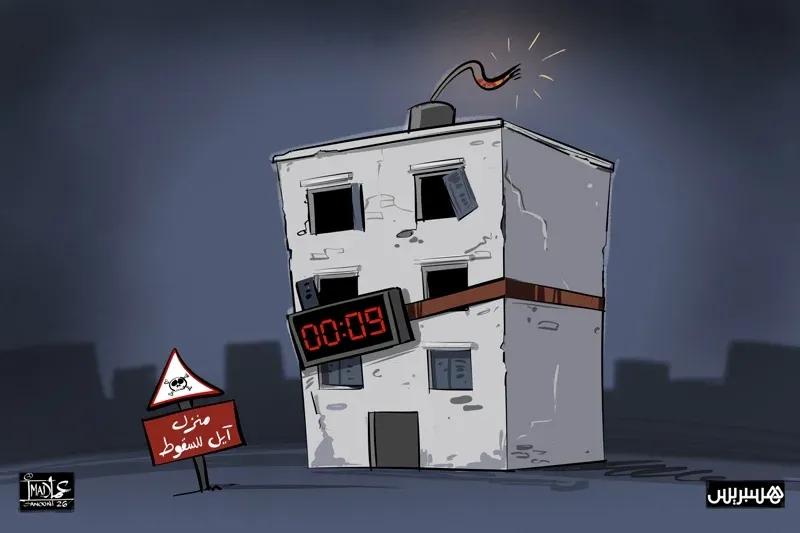
The recent tragedy in Fes has once again highlighted the pressing issue of unlicensed buildings across various Moroccan cities, which have become ticking time bombs that threaten the lives of residents. Civil society organizations are calling for a genuine official response to address this alarming situation.
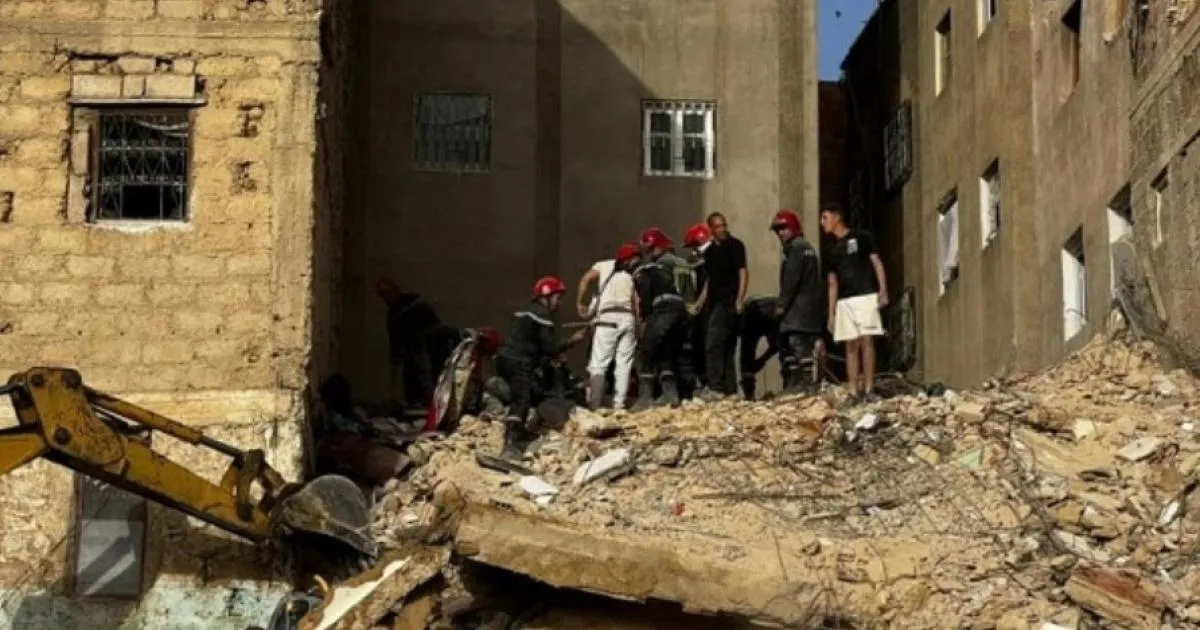
On Thursday, the public prosecutor's office at the Fes appeal court announced the initiation of a "thorough and detailed" judicial investigation following the collapse of a residential building in the Ain Nqbi area of the Jnan El Ward district in Fes. This tragic incident resulted in 14 fatalities and left 6 individuals with varying degrees of injuries.
Mehdi Limina, a civil society activist, noted that urban planning is fundamentally governed by a legal framework that stems from state policies and measures. Local authorities and relevant urban planning agencies have been making concerted efforts through various initiatives and measures aimed at informing and educating families living in these buildings about their precarious situations before any disaster strikes.
However, Limina pointed out that due to the challenging social conditions faced by these families, it is often impossible for them to secure new housing or change their current living situations, leading them to remain in dangerous conditions. Compounding the issue is the fact that these homes are frequently excluded from housing support and benefit programs.
This dire situation presents significant challenges for local and elected authorities when it comes to intervening and evacuating residents, as they frequently lack the legal authority or practical alternatives to relocate these citizens. This raises serious questions regarding the adequacy of current measures in place.
According to Limina, this predicament hampers the integration of these families, particularly since homes require ongoing maintenance and repair after a period of occupancy. Unfortunately, a culture of proper home management and upkeep is largely absent among the population, especially among tenants who tend to shift the responsibility for maintenance onto the landlords.
Conversely, landlords often cite low rental incomes as an excuse for neglecting necessary repairs, which ultimately poses a risk of structural collapse, as witnessed in the recent incident in Fes. In response, local councils are discussing urgent mechanisms for repair and maintenance, particularly in historic urban areas to protect residents and preserve their historical heritage.
Idris Sedraoui, president of the Moroccan Association for Citizenship and Human Rights, emphasized that the Fes tragedy brings to the forefront the issue of "falling buildings and those constructed outside legal frameworks in various Moroccan cities."
What is even more concerning, as Sedraoui noted, is the increasing frequency of such incidents in recent years, whether in Fes, Casablanca, Tangier, or other cities, indicating that these are no longer isolated cases but a structural problem linked to weak oversight, urban fragility, delays in addressing hazardous buildings, and the ongoing existence of illegal or non-compliant construction practices.
From a human rights perspective, these areas represent a real and immediate threat to citizens' right to life, physical safety, and adequate housing, necessitating urgent and effective official action based on prevention and proactivity rather than merely responding to disasters after they occur.
Furthermore, Sedraoui highlighted that protecting lives is a constitutional and legal responsibility that requires all stakeholders, including local authorities, territorial communities, urban planning institutions, and oversight bodies, to fully assume their responsibilities. It is crucial to enforce strict accountability for negligence or indifference towards violations of construction and urban planning regulations.
He called for the creation of a national digital information bank for buildings that includes their establishment date, legal status, technical and engineering conditions, and associated risk levels, with regular updates on this data. Additionally, there is a need for a national emergency program to catalog dangerous buildings and high-risk areas in various cities and villages, enhance technical and engineering oversight committees, and tie their interventions to transparency and effectiveness, while also tightening penalties for those involved in illegal construction or covering up violations.
As reported by hespress.com.