News
LATEST NEWS IN News
 News
News
Lamine Abqar's Aspirations to Play for Morocco
 News
News
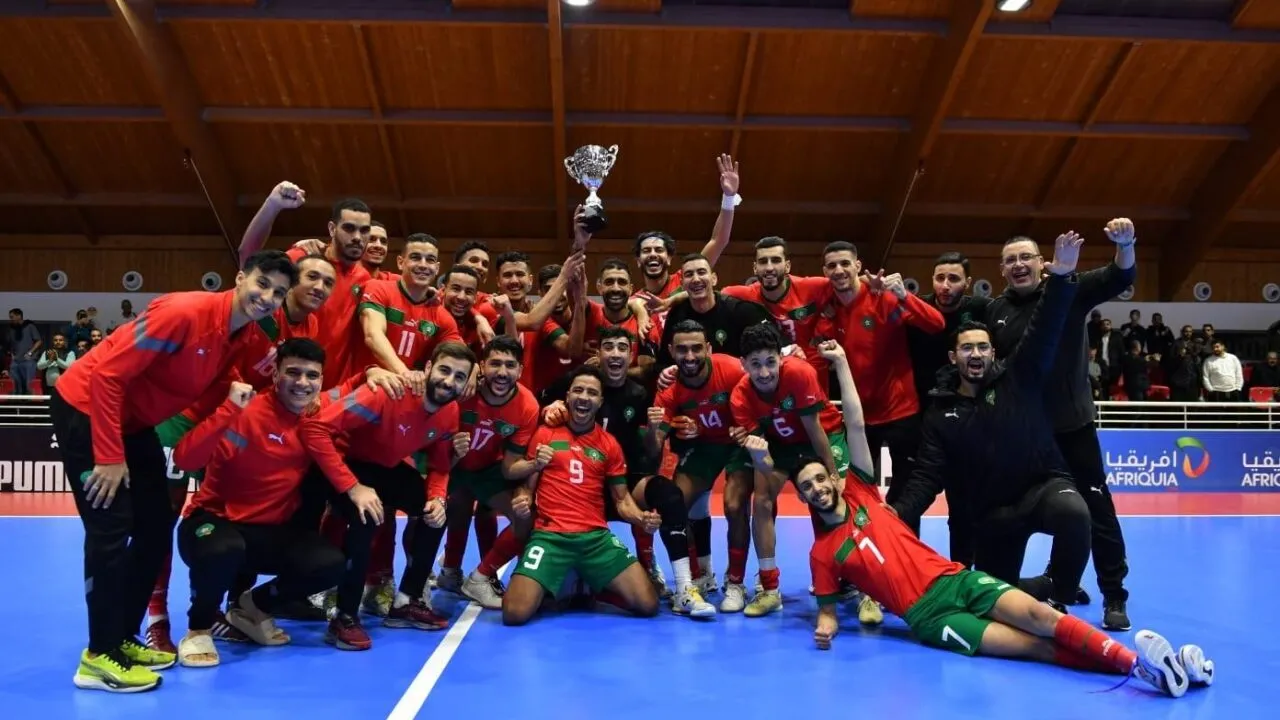
Catch the Futsal Action: Algeria vs Morocco Tonight!
News

Ceuta's Migration Crisis: Political Maneuvering Ahead of Elections
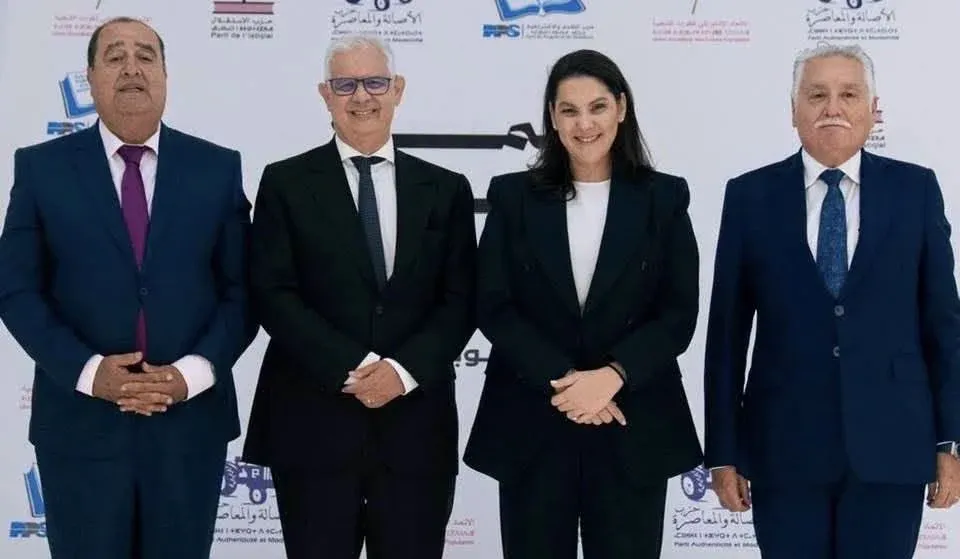
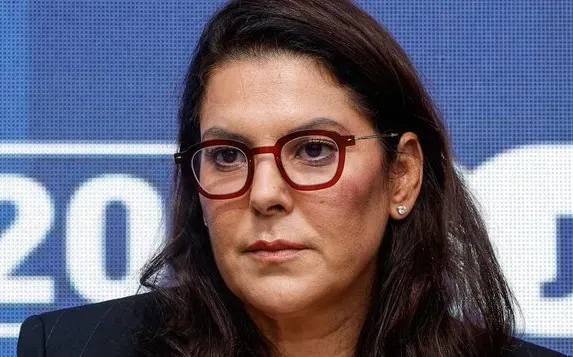
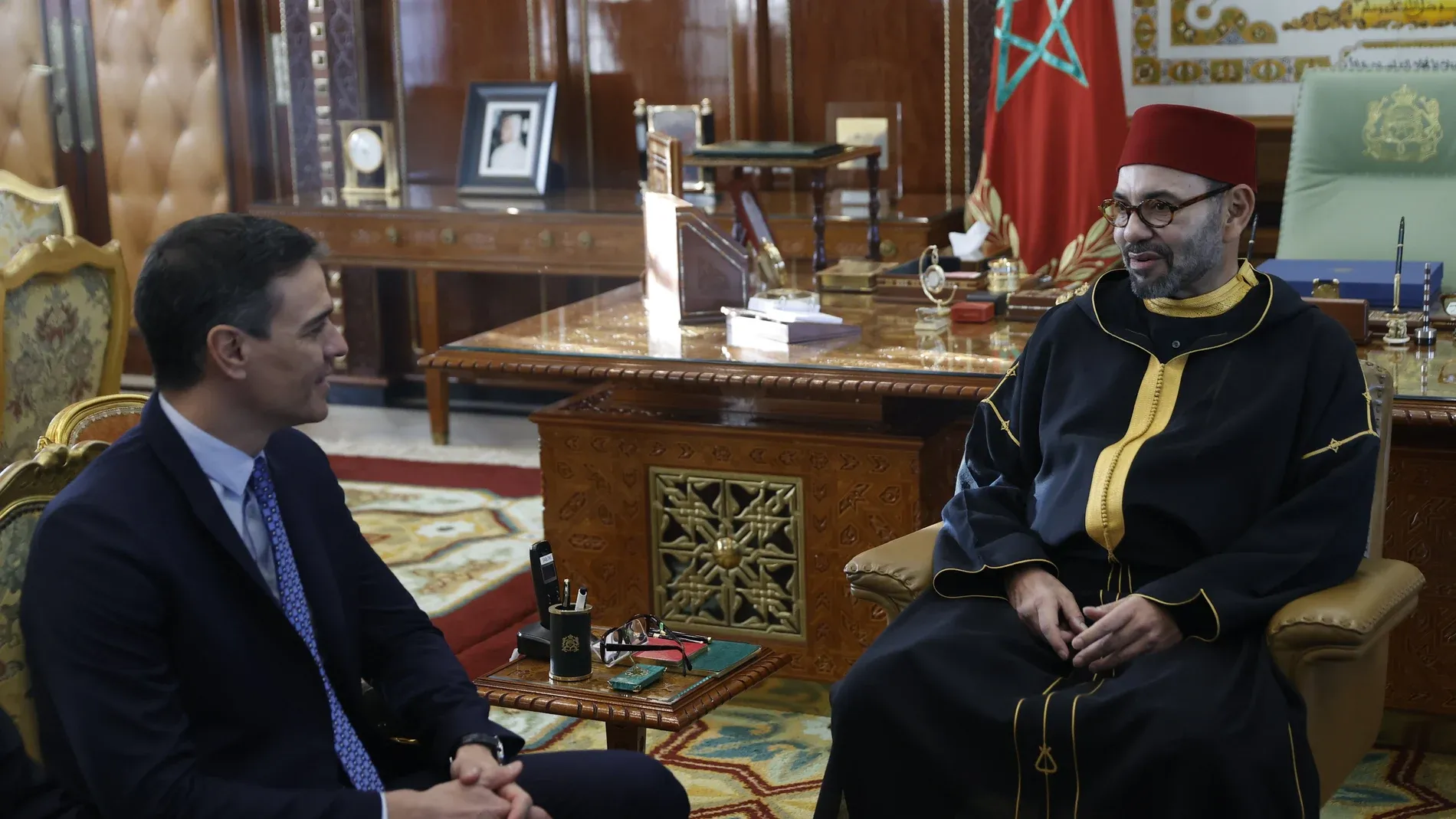
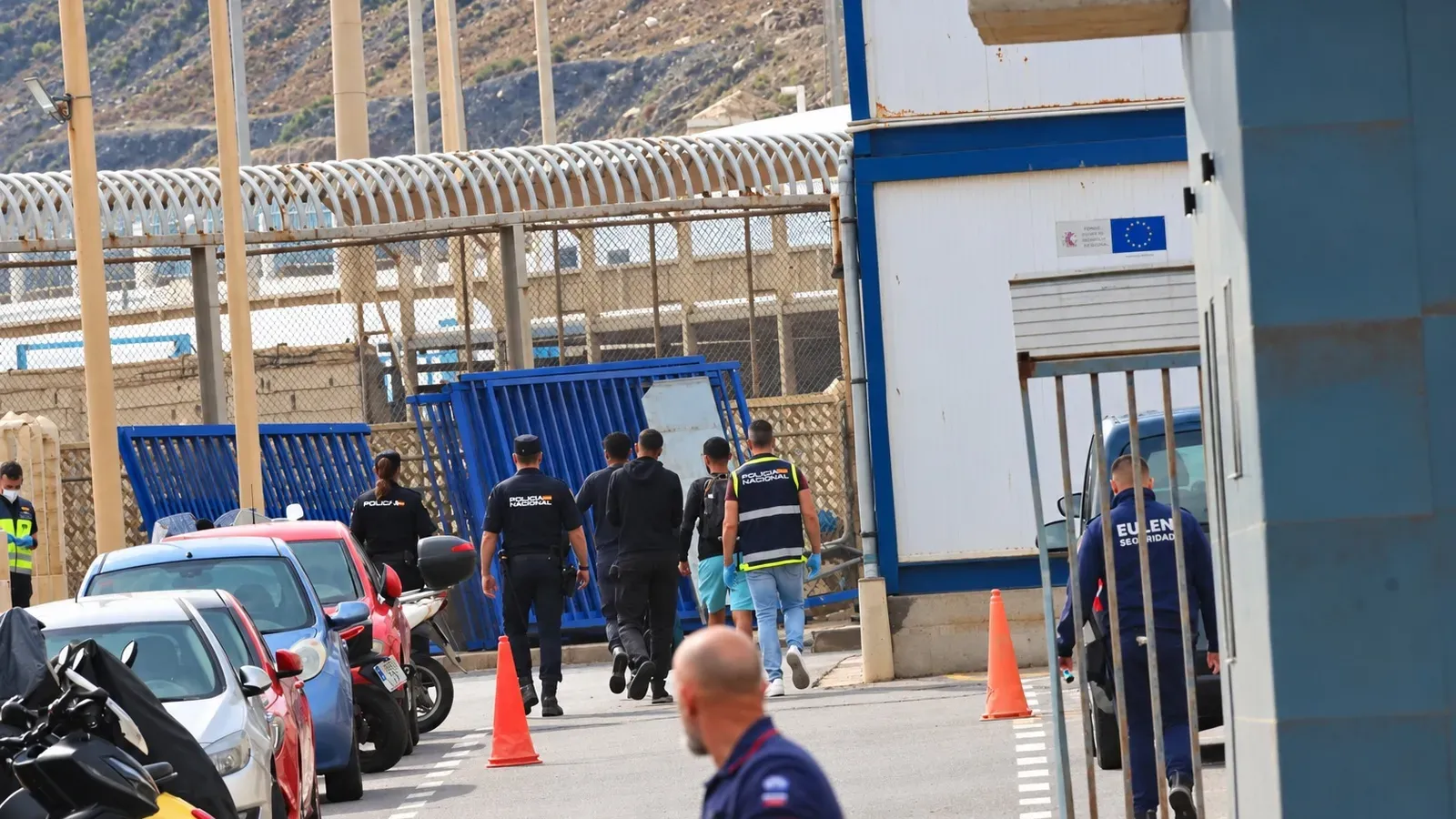
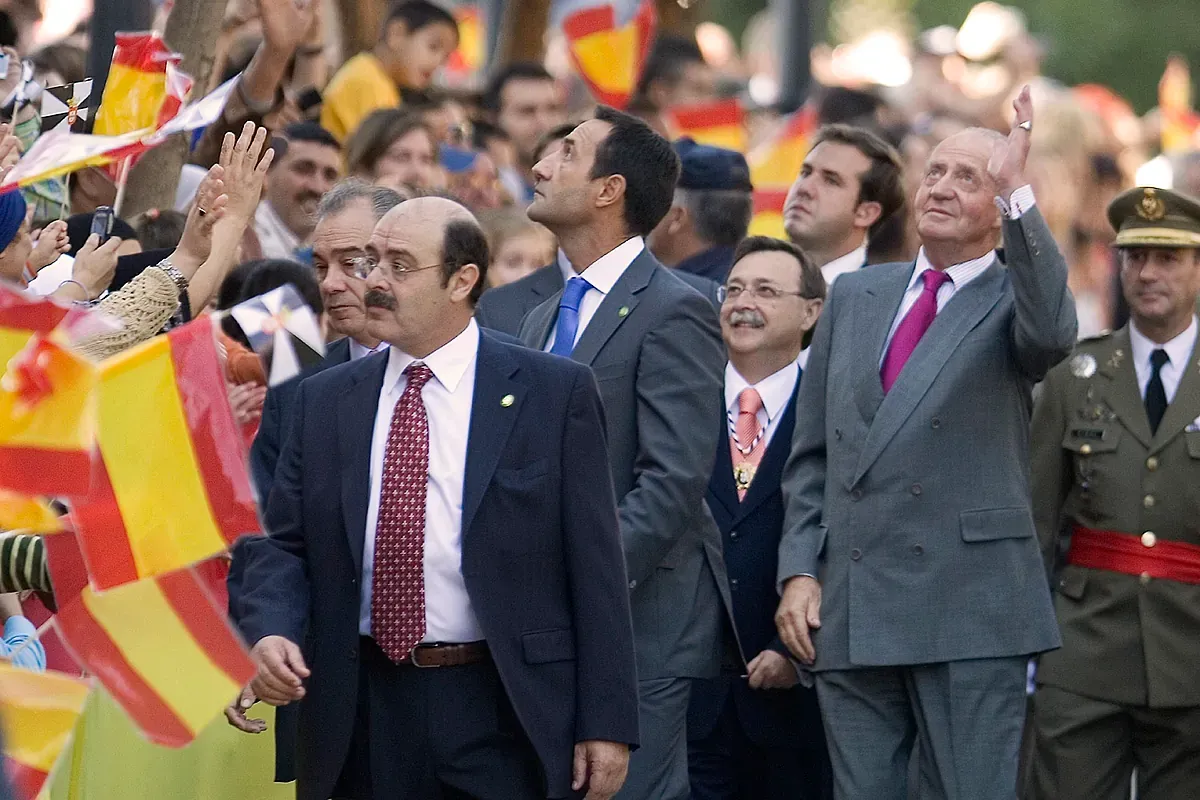
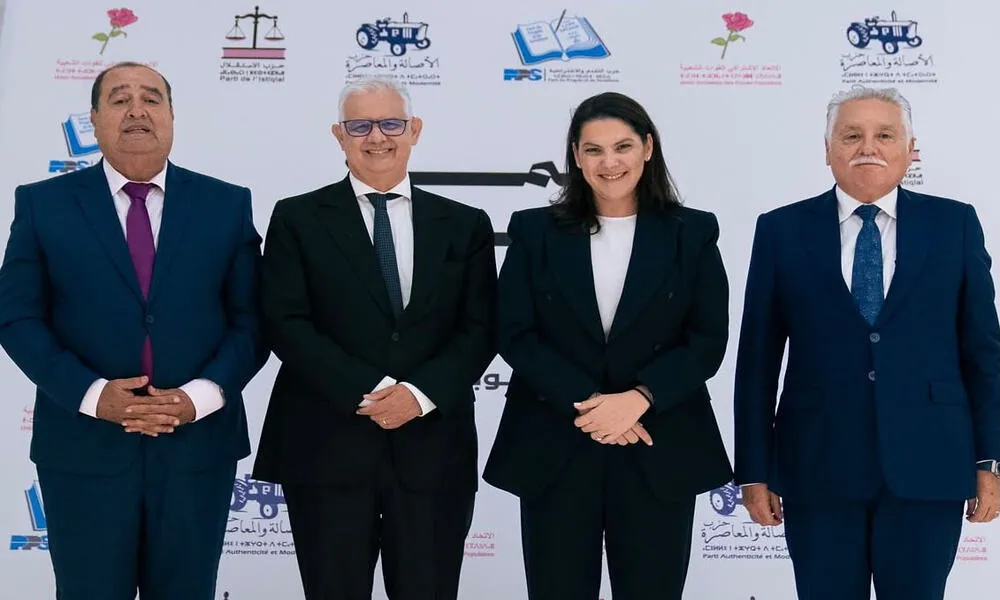
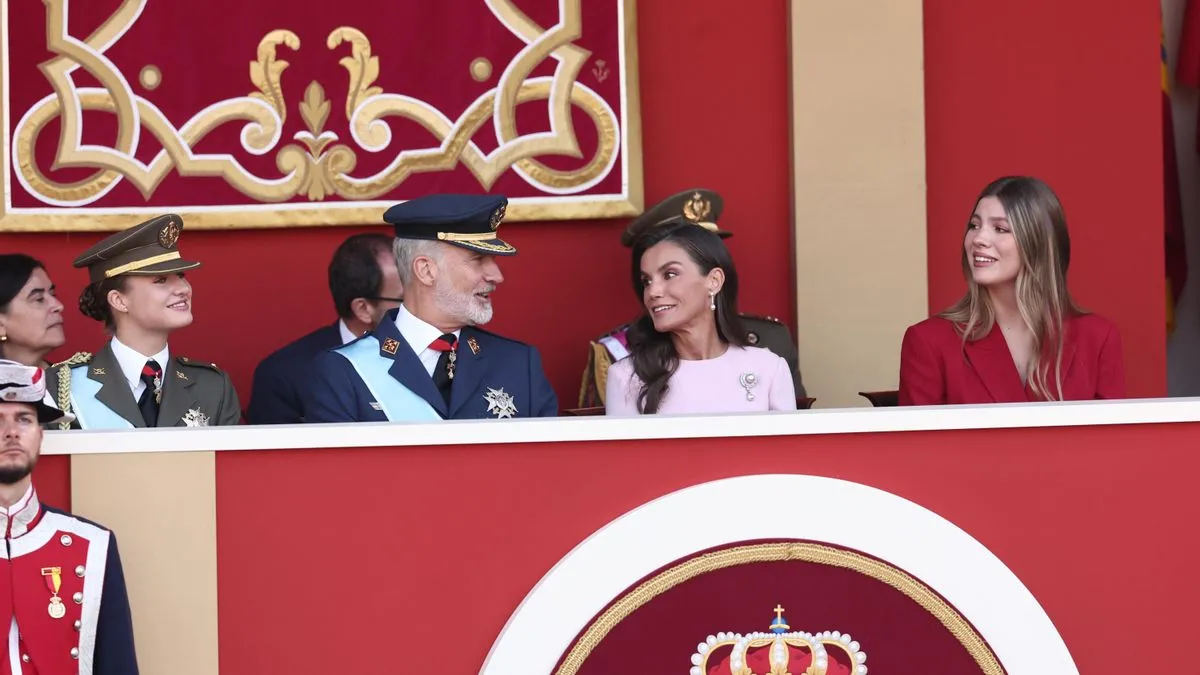
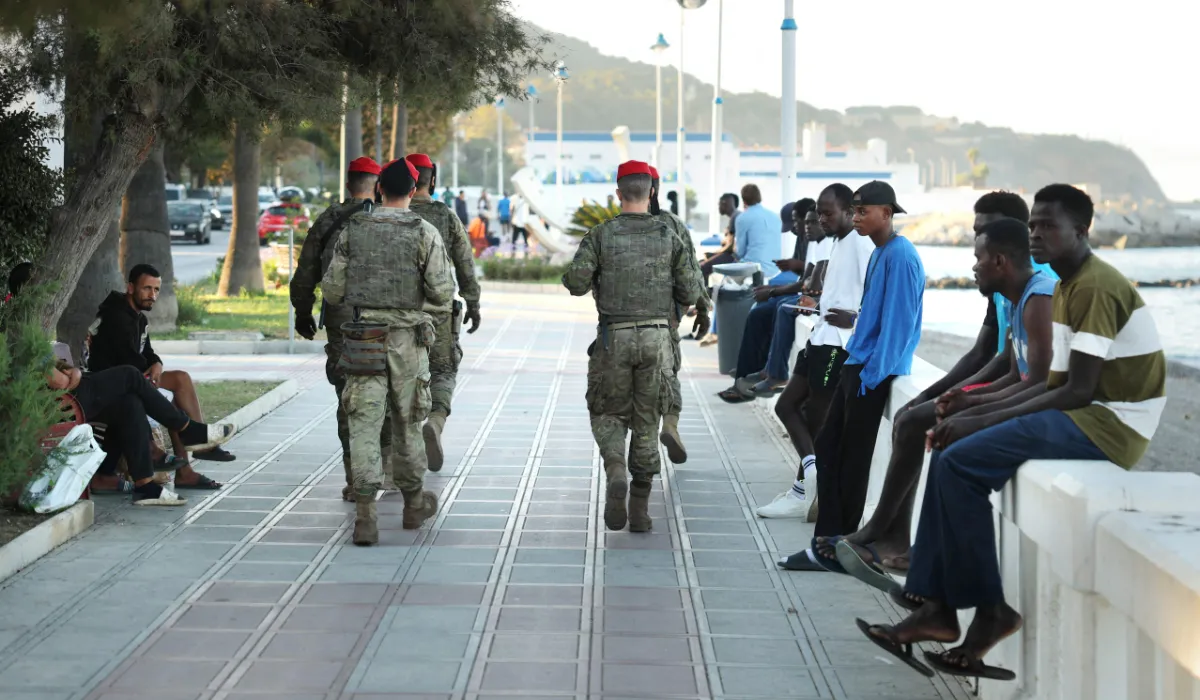
After two and a half months of a significant influx of migrants, Ceuta is reaching a pivotal moment as general elections convened by Pedro Sánchez approach. Reports from theobjective.com indicate that the Spanish government, in collaboration with Foreign Minister José Manuel Albares, has intensified discussions with Morocco. The aim is to facilitate a voluntary return of the approximately 15,000 migrants still residing in Ceuta, out of an estimated 100,000 who entered during the invasion that began at the end of July. The government hopes to streamline this process before the elections scheduled for November 29, ideally with a direct order from King Mohamed VI, reminiscent of actions taken by his father, Hassan II, to conclude the Green March in 1975. However, Rabat is currently weighing whether to use this leverage now or to wait for negotiations with a potentially new Spanish government. According to diplomatic sources consulted by THE OBJECTIVE, the electoral call for November 29 has "energized" negotiations between Sánchez's administration and Morocco aimed at encouraging many of the remaining migrants in Ceuta to return voluntarily. These discreet discussions are being conducted through the foreign ministries of both nations. Presently, Morocco is in an interim phase following the elections that took place in September. The outgoing government led by Aziz Ajanuch is still in place, while Fatima Ezzahra El Mansouri has been designated by Mohamed VI to form a new cabinet. This process of assembling her team, consisting of ministers from various parties, is described as "complex and time-consuming," and it must also be presented to the king for approval. Despite the political impasse in Rabat, Moroccan diplomatic channels are reportedly working in favor of Sánchez’s interests. There are no anticipated changes in the Foreign Ministry, where Nasser Bourita has served for nearly a decade and enjoys the full confidence of Mohamed VI. Thus, it is suggested that any new government led by El Mansouri would have to contend with Bourita's established position. In practical terms, Spain is looking for Morocco to persuade many of its nationals remaining in Ceuta to return voluntarily through the city’s border posts. A public directive from Mohamed VI, akin to his father's actions shortly after the Green March, could significantly influence this situation. Sources assert that the efforts by Moncloa and the Foreign Ministry are "on the right track and likely to culminate in an agreement" between Spain and Morocco within the next month, coinciding with the electoral campaign. The planned visit of the Spanish royal family to Ceuta may serve as a critical moment in this timeline. Insiders indicate that this visit was coordinated with Rabat as early as August and does not interfere with negotiations regarding the voluntary return of Moroccans. However, the timing of the return could shape public perception, suggesting that the royal visit played a role in resolving the crisis. Other diplomatic sources have confirmed the ongoing discreet talks between Albares and Bourita but differ on the current readiness of the agreement. They indicate that Ceuta is currently Morocco's strongest bargaining chip in negotiations with a potential new Spanish government emerging from the upcoming elections. There seems to be a division within the Moroccan elite regarding whether to use Ceuta to assist Sánchez or to reserve it as leverage against the Popular Party and Vox should they win the elections. What remains unclear is what concessions Moncloa may offer Rabat in exchange for this politically charged favor. Meanwhile, the Spanish government is taking swift action to dismantle migrant encampments and relocate individuals from Ceuta to less visible locations. The National Police initiated the eviction of the El Guano beach settlement last Sunday, which was the last significant camp remaining in Ceuta, housing approximately 500 individuals, including at least 100 minors. This operation follows earlier actions taken at the Benítez and Trampolín beaches, which are now devoid of camps and shanties. In recent weeks, Morocco has reiterated its willingness to accept irregular migrants remaining in Ceuta. During a meeting in New York coinciding with the United Nations General Assembly, Moroccan Foreign Minister Naser Bourita conveyed this commitment to José Manuel Albares. Bourita stated that Morocco holds a "clear" position regarding returns and reaffirmed its commitment to repatriating unaccompanied foreign minors. He emphasized that if migrants and minors have not yet returned, the responsibility lies with Spain, attributing the difficulties to various "controversies, considerations, obstacles, and challenges" posed by the Spanish side. This meeting aimed to address the repatriation of those who have been in the autonomous city since July 30 and do not qualify for international protection. Despite the challenges, Bourita advocated for strengthening economic, security, and migratory cooperation between Madrid and Rabat.