Rabat
LATEST NEWS IN Rabat
Rabat
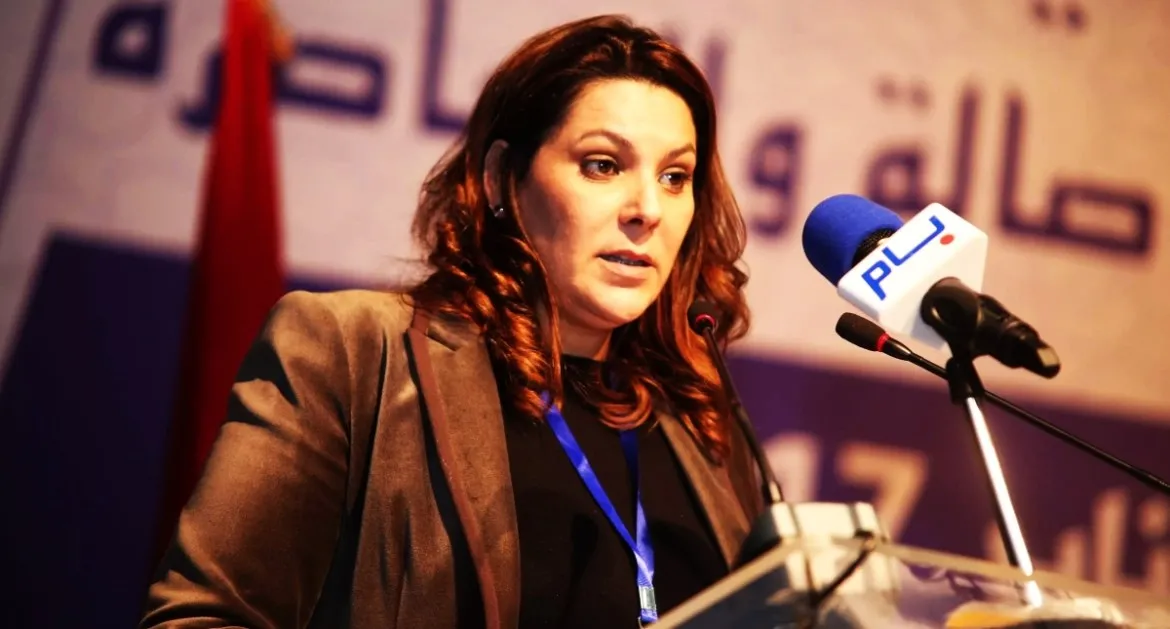
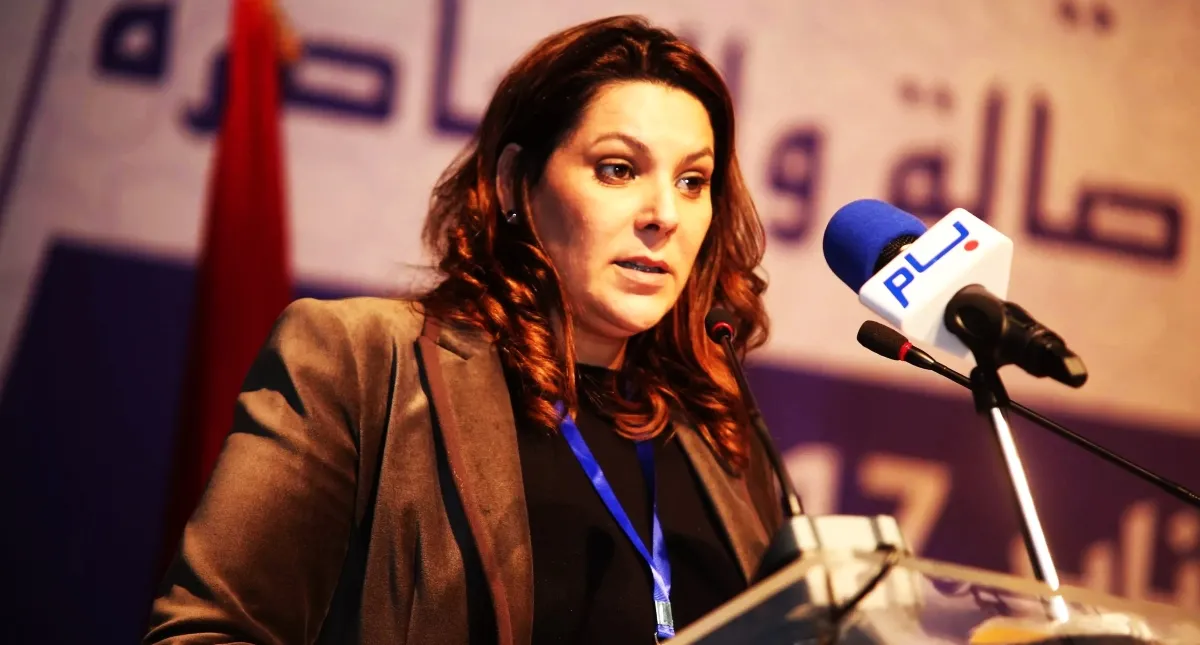
USFP Gathers Candidates in Rabat Ahead of Election
Rabat
Algeria's Strategic Shift: Protecting Energy Interests in the Sahel
Algeria's Military Intervention in the Sahel and the Gas Pipeline Rivalry In late August 2026, Algeria took a significant step by deploying its fighter jets to Niger, marking a departure from its long-standing non-intervention policy that had been upheld for sixty years. This military move aimed to safeguard a crucial gas project: two competing pipelines are vying to transport Nigerian gas to Europe, one supported by Algeria and the other by Morocco. The situation reflects a broader geopolitical reconfiguration in the Sahel, with national companies, major oil firms, development banks, and Gulf funds aligning themselves along two opposing strategies. On August 30, 2026, four Algerian Air Force Su-30 fighters landed at Niamey Airport, accompanied by an Il-78 refueling aircraft and an Il-76 transport plane loaded with helicopters. While this event might seem routine for a regional power, it was anything but ordinary. Since gaining independence in 1962, Algeria adhered strictly to a principle of non-interference beyond its borders, driven by a doctrine of non-alignment and a traumatic memory of a liberation war that had enshrined non-interference as a sacred tenet. Thus, the decision to send military support to a foreign regime represents a significant shift in policy. The paradox deepens when considering the regime in question. General Abdourahamane Tiani has ruled Niger since the coup d'état on July 26, 2023, which ousted President Mohamed Bazoum and expelled French influence from the country. Initially, Algeria condemned this coup, viewing it as a potential threat to its southern borders. Now, just three years later, it finds itself supporting the very regime it once denounced. This drastic turn of events can be traced back to the strategic necessity of securing the gas pipeline routes across the Sahara. The Geopolitical Stakes Behind the Gas Pipelines The two competing pipelines, both transporting Nigerian gas—Africa's most abundant reserves estimated at over 210 trillion cubic feet—represent a critical geopolitical contest. The first pipeline, the Trans-Saharan Gas Pipeline (TSGP), intended to transport gas overland through the Sahara to Algeria, has its roots in the 1980s, with an intergovernmental agreement signed in 2009. However, the project lay dormant for nearly twenty years due to regional instability and diplomatic rivalries. The coup in Niger initially appeared to bury the project further, yet diplomatic thawing in late 2025 resurrected it, as Tiani extended congratulations to Algeria during its Revolution Day celebrations. By January 2026, Algeria's Energy Minister visited Niger, with Tiani later being received in Algiers to announce a renewed commitment to the gas pipeline and enhanced security cooperation. This reconciliation is predicated on a straightforward yet formidable equation: the over 4,000-kilometer pipeline requires security, which, in turn, necessitates stable regimes along Algeria's southern borders. The diplomatic maneuvers of 2026 can be understood as interconnected pieces of a larger strategic puzzle, each aimed at ensuring the pipeline's viability. For Algeria, the stakes are not merely economic; they encompass regional stability and political influence in the Sahel. The contrast with Morocco's Atlantic Gas Pipeline (AAGP), which runs along the West African coastline to connect with existing infrastructure in Europe, highlights differing strategic philosophies. While Algeria's overland route requires pacifying and securing a tumultuous region, Morocco's maritime approach circumvents much of this instability by leveraging its coastal access. Ultimately, the competition for control over the European energy supply chain transcends a mere rivalry between Algeria and Morocco. It embodies a struggle for influence over a vital energy artery at a time when Europe is desperately seeking alternatives to Russian gas supplies. For Algeria, becoming a key supplier to Europe could translate into significant diplomatic leverage, particularly regarding its long-standing dispute with Morocco over Western Sahara. Therefore, the energy dynamics in the region are not solely about resources but also about power structures and geopolitical influence. As reported by revueconflits.com.