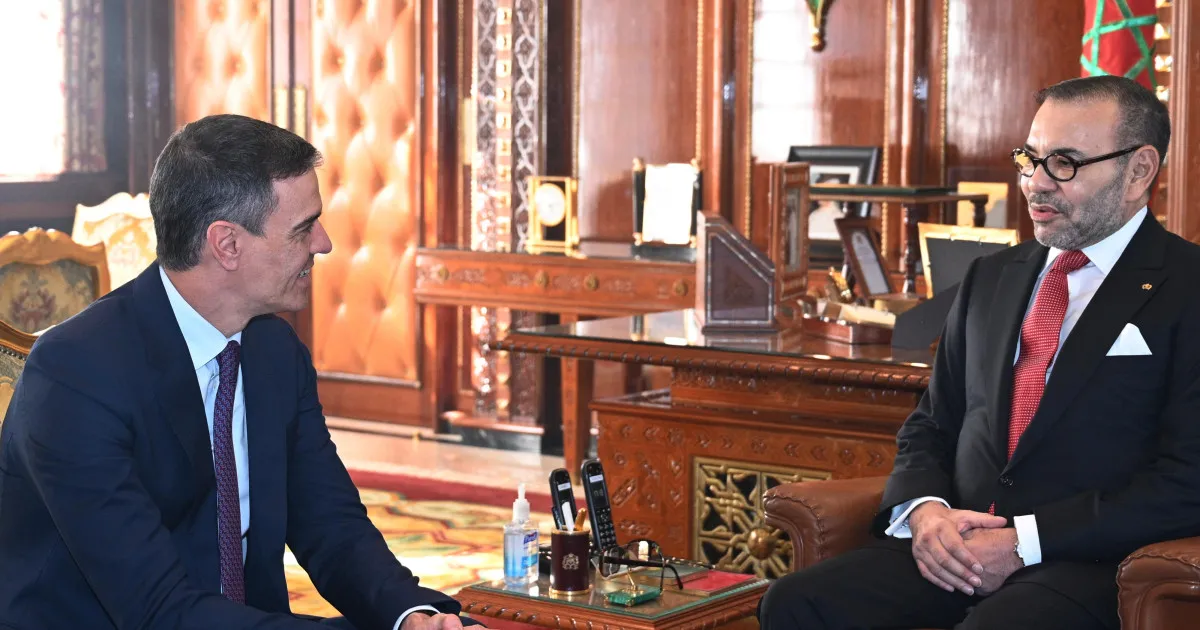

In a shocking turn of events, Moroccan warships breached Spanish territorial waters off the coast of Ceuta on July 30 and 31, coinciding with a massive influx of migrants—approximately 80,000—who continue to challenge the stability of the autonomous city. The Spanish government kept these incidents from public knowledge for over two months, until they were unveiled by the newspaper _El País_ this Monday. Prime Minister Pedro Sánchez has confirmed the incursions occurred, yet he has not clarified the reasons behind the Royal Moroccan Navy's entry into Spanish waters or what explanations were provided by Rabat.
According to _El País_, while tens of thousands of migrants attempted to cross from Morocco, overwhelming the border, at least one frigate and several Moroccan patrol boats navigated unauthorized through waters deemed sovereign by Spain. In response, the Spanish Navy was compelled to mobilize multiple vessels to enhance surveillance and deter further incursions. On the day of the Hispanic Day celebrations, Sánchez characterized those days as "very intense and very difficult," asserting that there was "high-level" communication between the armed forces of both nations. However, he did not detail the nature of these discussions, whether Spain lodged a formal protest with Morocco, or what response was received from the neighboring authorities.
The information disclosed by _El País_ suggests that these actions represented a "deliberate and repeated violation" of Spanish maritime territory. The maneuvers extended into the early days of August, leading to heightened tensions between the two navies, culminating in a near-collision between a Spanish and a Moroccan patrol vessel. The incursions ceased after the Spanish Navy's deterrent deployment and high-level negotiations conducted by the Ministry of Defense with Rabat, as indicated by sources consulted by the newspaper.
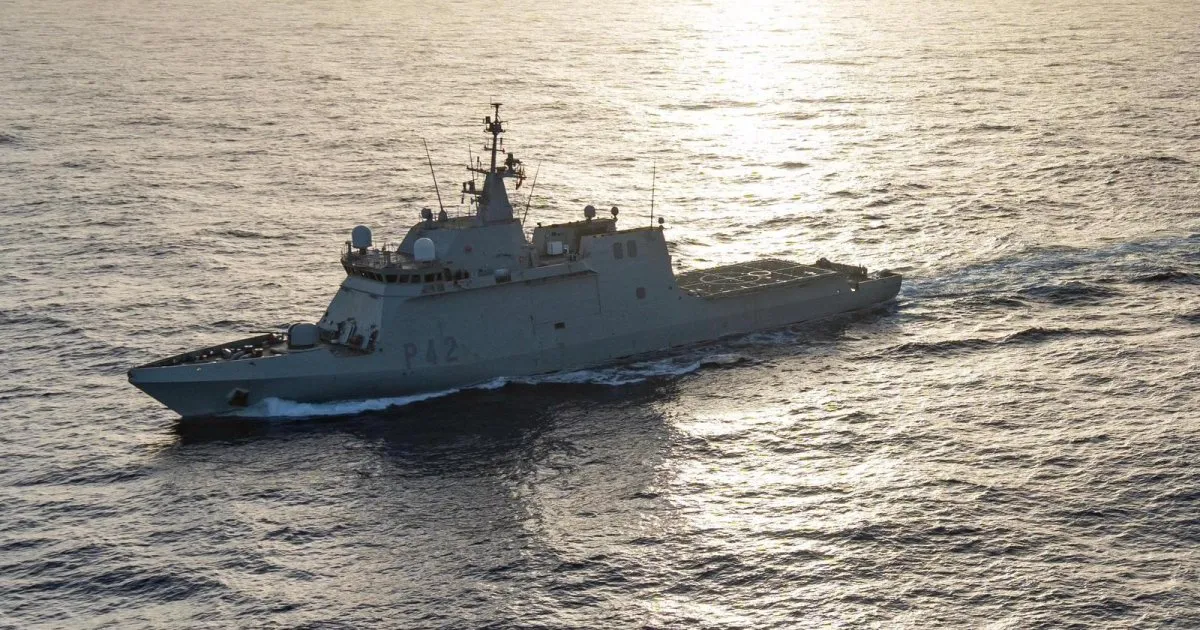
In a proactive measure, the Defense General Staff decided to dispatch the Maritime Action Ship (BAM) _Rayo_, based in the Las Palmas de Gran Canaria arsenal, to Ceuta. This ship docked in the autonomous city’s port on August 3 to bolster the monitoring of its waters. In light of the persistent Moroccan incursions, the frigate _Santa María_ was also mobilized from the naval base in Rota, Cádiz. However, a malfunction later necessitated its replacement with the _Navarra_ frigate from the same squadron.
On August 6, both frigates docked for a few hours at the Ceuta port to transfer Marine Infantry equipment and ensure the continuity of the deployment. The presence of these Spanish military vessels aimed to deter further incursions during a particularly tense maritime environment surrounding the city. Spain asserts that its territorial waters extend up to twelve nautical miles from the coast, although Morocco does not recognize Spanish sovereignty over Ceuta or its maritime surroundings, which lack an internationally agreed-upon delimitation between the two countries.
Intelligence Warnings Preceded the Crisis
This revelation follows the declassification of documents by the government in September, which indicated that Spanish intelligence services had forewarned of potential mass entries in the days leading up to the crisis. The National Intelligence Center (CNI) alerted both Spanish authorities and Moroccan intelligence on July 29 about possible attempts to enter Ceuta during the week of the Throne Festival, prompted by calls circulated on social media.
Additionally, warnings came from military intelligence services and other security agencies. On July 30, while the invasion was already underway, the Electronic Warfare Regiment number 32 cautioned that such an entry was "highly probable," taking advantage of the Moroccan celebration. These warnings were supplemented by appeals from the President of Ceuta, Juan Jesús Vivas, to Moncloa in the days leading up to and during the onset of the crisis. Vivas testified that he attempted to reach out to Sánchez and his chief of staff, Diego Rubio, to alert them to the severity of the situation and to request reinforcements. Recently, the National Court judge María Tardón has sought to examine those communications.
The revelation comes just ahead of the royal visit to Ceuta scheduled for Tuesday, followed by a trip to Melilla on Wednesday. This will mark the first official visit of King Felipe VI and Queen Letizia to both autonomous cities. The monarch had previously chaired a meeting at Zarzuela on September 8 with the Minister of Defense and top military commanders to analyze the situation in Ceuta, an exceptional gathering that underscored institutional concerns regarding the city's security.
As reported by eldebate.com.