
Understanding the Legal Scenarios for CAN 2025 Dispute between Morocco and Senegal
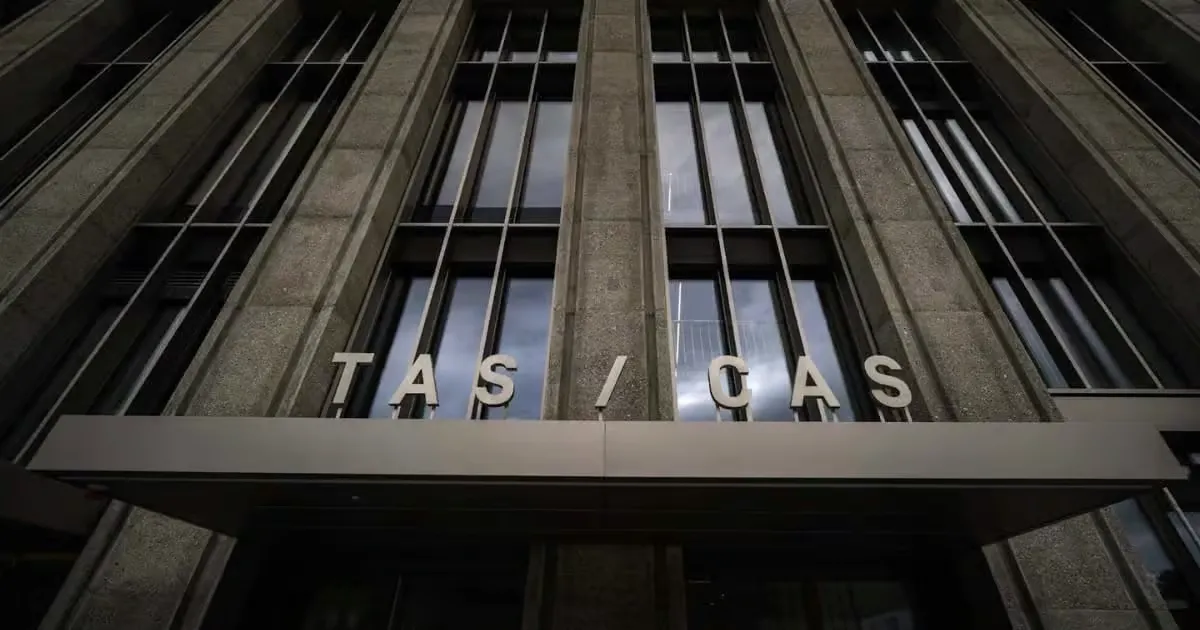
The ongoing legal dispute concerning the 2025 Africa Cup of Nations (CAN) final between Morocco and Senegal has now been brought before the Court of Arbitration for Sport (TAS) in Lausanne. Following the ruling by the African Football Confederation (CAF) on March 17, 2026, that awarded Morocco a 3-0 victory over Senegal due to a forfeit, the Senegalese Football Federation (FSF) has filed an appeal with the TAS to contest this decision. Various outcomes are possible as both parties present their arguments, and the TAS has the authority to either uphold the original ruling, reexamine the case, or send the matter back to CAF for further consideration.
Aziz Daouda, a sports consultant, elaborated on the scope of the TAS's authority and the potential scenarios that could emerge from this situation. He emphasized that regardless of the outcome, Morocco should respect the decision rendered by the TAS. The tribunal holds significant power in reviewing facts and legal principles, and its ruling could have profound implications for both teams involved.
Possible Outcomes of the Arbitration Process
Three primary scenarios can unfold as the TAS deliberates on this dispute. The first scenario involves the TAS affirming the CAF's decision to declare Senegal ineligible, thus maintaining Morocco's victory. This outcome would be the most straightforward from a procedural standpoint, as it would suggest that the CAF adhered to the competition's regulations when making its ruling.
The second possibility is that the TAS chooses to reexamine the case and potentially overturn the CAF's decision. In this scenario, the tribunal could deem that the CAF's ruling was invalid for some reason and take it upon itself to make a new determination regarding the matter at hand. If the TAS were to annul the forfeit and restore Senegal's victory, it could significantly alter the competitive landscape following the final, which originally ended with Senegal winning 1-0 after extra time.
Finally, the TAS might opt to return the case to the CAF for further review, indicating that the CAF's original ruling was insufficiently detailed or lacked clarity. This would not resolve the issue immediately, as it would require the CAF to reassess the case, potentially prolonging the uncertainty surrounding the title attribution.
Regardless of the chosen path, the implications for Morocco are considerable. Should the TAS decide against Morocco, Daouda posits that the country, as a democratic nation, will likely accept the tribunal's ruling. It is important to note that Morocco did not initiate the appeal process; rather, it participated to defend its interests after Senegal contested the CAF's decision.
As reported by lebrief.ma.