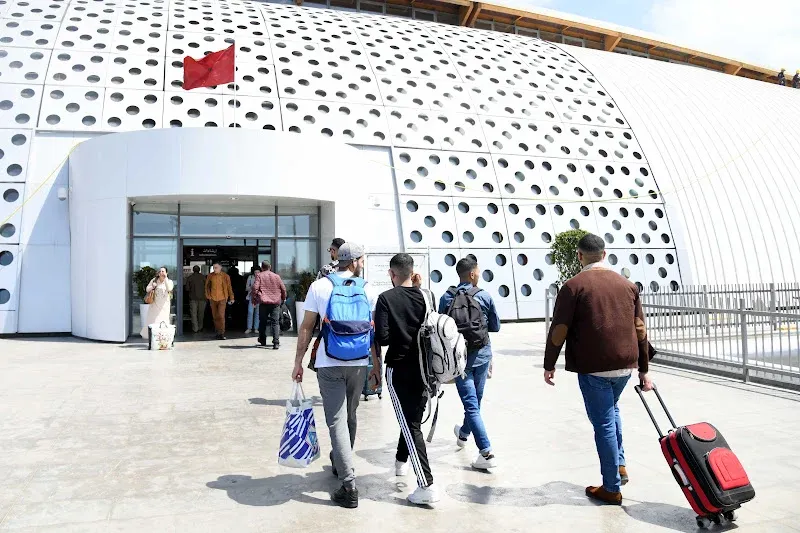
Consumer protection associations in Morocco have recently highlighted the ongoing discussions surrounding the new generation of bus stations being established in major cities such as Rabat, Marrakech, and soon Casablanca. These discussions are crucial as they directly relate to the rights of passengers and the quality of services that must be provided. The transition to these modern facilities aims to address the shortcomings associated with traditional bus stations, particularly regarding organization, accessibility, and the overall reception conditions experienced by travelers.
According to information obtained by Hespress, the debate among consumer protection groups primarily focuses on how to manage the transitional phase toward these new public facilities. A key concern is whether these stations will enhance the travel experience for passengers, particularly by eliminating the nuisances posed by intermediaries known as 'kourtia' during entry and ticket purchasing. Additionally, there are questions regarding the ease of access to these spaces, their connection to urban transportation, and the assurance of service continuity based on modern standards.
Discussion on New Bus Stations
Bouazza El Khraiti, President of the Moroccan Consumer Rights Association, stated that the topic of new bus stations is currently up for discussion. He views the establishment and upgrading of modern stations that meet international standards as a positive step, likely to improve service quality for travelers and enhance consumer protection rights. However, he emphasized that the success of these projects is contingent upon ensuring easy access to the stations and providing public transportation options that connect them to various neighborhoods within the cities.
El Khraiti pointed out that limiting a major city to just one bus station is not a sound strategy, as it tends to concentrate passenger traffic at a single point, resulting in overcrowding, management challenges, and increased travel costs. He noted that many countries distribute bus stations according to regions and destinations, which facilitates smoother transportation flow and brings services closer to the citizens.
He further asserted that Morocco's larger cities require at least three or four bus stations, each dedicated to servicing a specific region, whether it be the north, east, center, or south of the country. This approach would alleviate pressure on existing infrastructure, reduce congestion, and make it easier for travelers to access the station nearest to their residence or destination.
El Khraiti also indicated that many decisions related to the management of bus stations are made without thorough social and sociological studies, which adversely affects consumers who sometimes face challenges in accessing or leaving the stations due to poor connections with urban transport or inadequate supplementary transport services.
He believes that consumers do not hold the position they deserve within the road transport system, even though they are the central element of this sector. He called for their involvement in evaluating public transport policies and prioritizing their needs when planning new stations or restructuring existing ones.
Emphasizing the need for reform in the road transport sector, El Khraiti argued that liberating the market and enhancing competition would reduce exploitative practices and the role of intermediaries, ultimately improving service quality and lowering prices. He stressed that the goal should be to provide public transport that guarantees consumers travel in comfortable and safe conditions while promoting transparency and fair competition within the sector.
Modern Services and Future Prospects
Boujemaa Mouji, Vice President of the Consumer Protection Association in Casablanca, remarked that establishing modern bus stations outside urban centers or on the outskirts of cities is a practice adopted by several countries. This strategy not only organizes transport flow but also alleviates traffic congestion within cities, reducing the inconvenience caused by the continuous movement of buses, which often leads to noise and overcrowding that negatively impacts the quality of life for nearby residents.
Mouji explained in an interview with Hespress that situating a bus station in the heart of a city can have adverse effects on its surroundings. In contrast, relocating it to the outskirts allows for smoother traffic flow and contributes to creating economic and service dynamics in the surrounding areas, benefiting various stakeholders, including transport professionals, taxi drivers, and ancillary services.
He added that the new stations represent a positive step towards modernizing the road transport sector by providing better services for consumers and reducing the influence of intermediaries and negative practices associated with traditional bus station services. However, he stressed that the true evaluation of these projects hinges on addressing all aspects related to their operation and ensuring service availability across different regions of the country.
Mouji expressed optimism about the future of these projects, given Morocco's preparations for 2030, hoping that the new infrastructure will meet citizens' expectations and learn from successful international experiences in managing bus stations.
He also encouraged consumers to actively participate in this transformation by directly engaging with ticket counters and avoiding intermediaries. He reaffirmed that the development of transport services is a shared responsibility that requires the involvement of all parties, despite the fact that the sector still needs further reforms and improvements. He noted that the experience in Rabat is positive and anticipates that the Marrakech station will achieve the desired results upon its opening, while the new "Oulad Ziyan" station in Casablanca is expected to add significant value to the road transport system.
As reported by hespress.com.