International Focus on Human Rights in Morocco
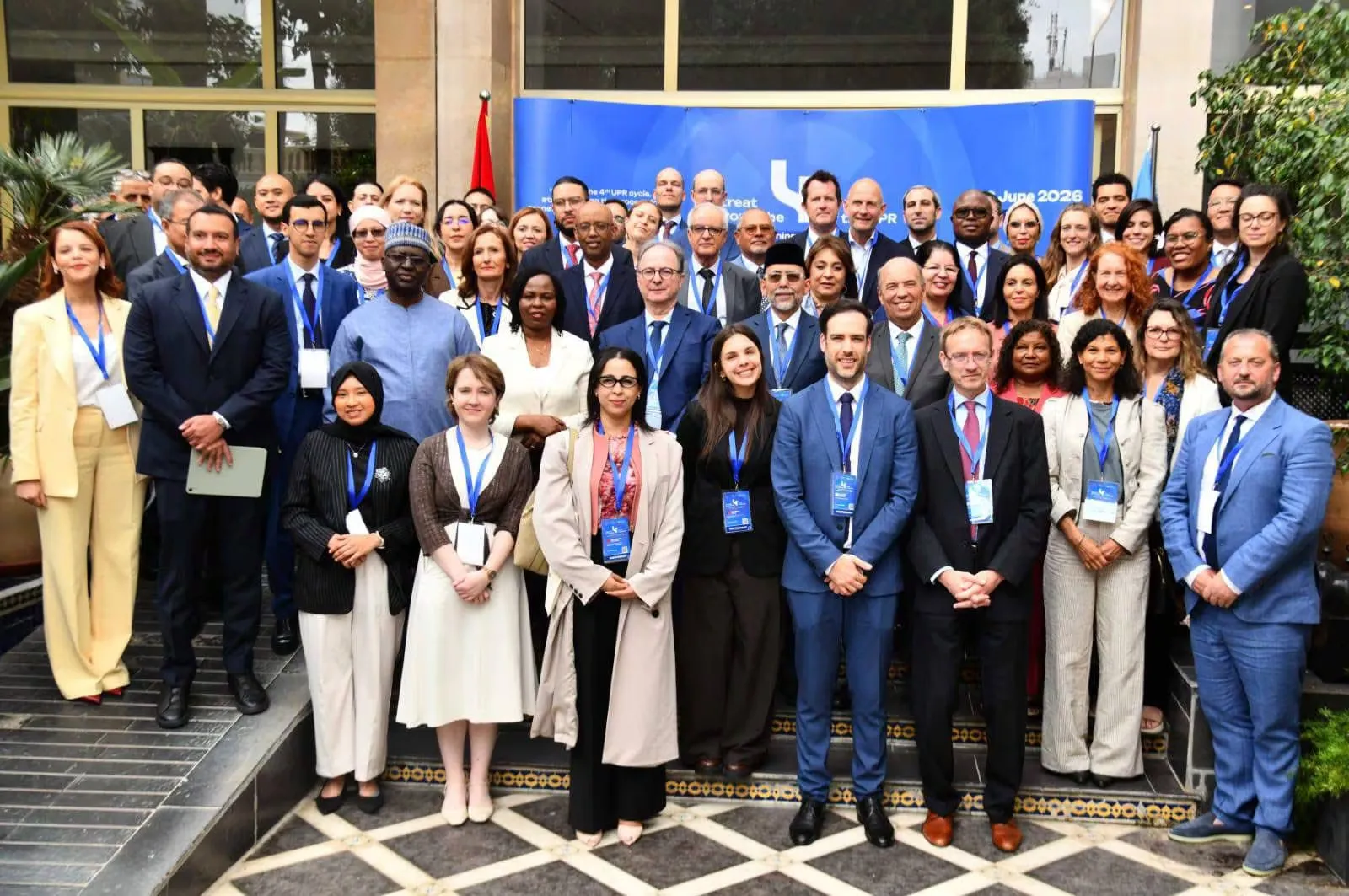
This week, Morocco is hosting an international retreat in Rabat dedicated to the Universal Periodic Review (UPR), a central mechanism within the United Nations system aimed at promoting and protecting human rights. Organized by the United Nations High Commissioner for Human Rights (OHCHR) in collaboration with the Interministerial Delegation for Human Rights (DIDH), this significant gathering is taking place on June 5 and 6. It brings together high-ranking UN officials, diplomats, and international experts to discuss the future of this vital mechanism.
The retreat is themed "Beyond the 4th Cycle of the UPR: Strengthening the Process for Transformational Impact on Human Rights." Among the notable attendees are Sidharto Reza Suryodipuro, President of the UN Human Rights Council, and Juliette de Rivero, Head of the UPR Division within the OHCHR. During the opening session, various speakers highlighted the advancements that Morocco has made in the realm of human rights, particularly under the institutional reforms initiated by King Mohammed VI, as enshrined in the Constitution.
In his inaugural speech, Mohammed El Habib Belkouch, the Interministerial Delegate for Human Rights, urged participants to leverage this opportunity for collective reflection on the achievements of the UPR mechanism, the challenges that persist, and the future prospects for its evolution. He emphasized that the goal is to enable the UPR to better meet the expectations of populations and adapt to the changing international context.
Enhancing Multilateral Mechanisms for Human Rights
El Habib Belkouch also noted that Morocco has progressively developed an integrated institutional approach that emphasizes coordination among various national actors, consultation, and monitoring of recommendations from international human rights protection mechanisms. In an interview with _Le360_, the President of the UN Human Rights Council underscored the significance of this meeting, which comes at a pivotal moment for the institution. "This year marks the twentieth anniversary of the Council. It is an excellent opportunity to engage in candid discussions about the necessary reforms in a rapidly changing global environment, as well as the challenges faced by the United Nations and the Human Rights Council," he stated.
The discussions in Rabat are structured around multiple roundtables focusing on the future evolution of the UPR and its effectiveness in monitoring the commitments made by states. Omar Zniber, Morocco's Ambassador and Permanent Representative to the UN in Geneva, highlighted that this initiative reflects the Kingdom's commitment to strengthening multilateral mechanisms under the Human Rights Council. He remarked that this reflection comes at a strategic juncture, as the fourth cycle of the Universal Periodic Review is concluding, and the international community prepares for the opening of the fifth cycle.
The organizers also emphasized the importance of the transitional period between these two cycles, viewing it as an opportunity to assess the functioning of the mechanism and identify areas for improvement. In this context, the Interministerial Delegation for Human Rights has developed a multilingual questionnaire aimed at gathering contributions and recommendations from a wide range of institutional, academic, and civil society actors.
Established in March 2006 by the UN General Assembly, the Universal Periodic Review is a monitoring mechanism that allows for regular assessments of the human rights situation in all UN member states and measures their adherence to international commitments in this field.
As reported by fr.le360.ma.