
The Economic Significance of Family-Owned Enterprises in Morocco
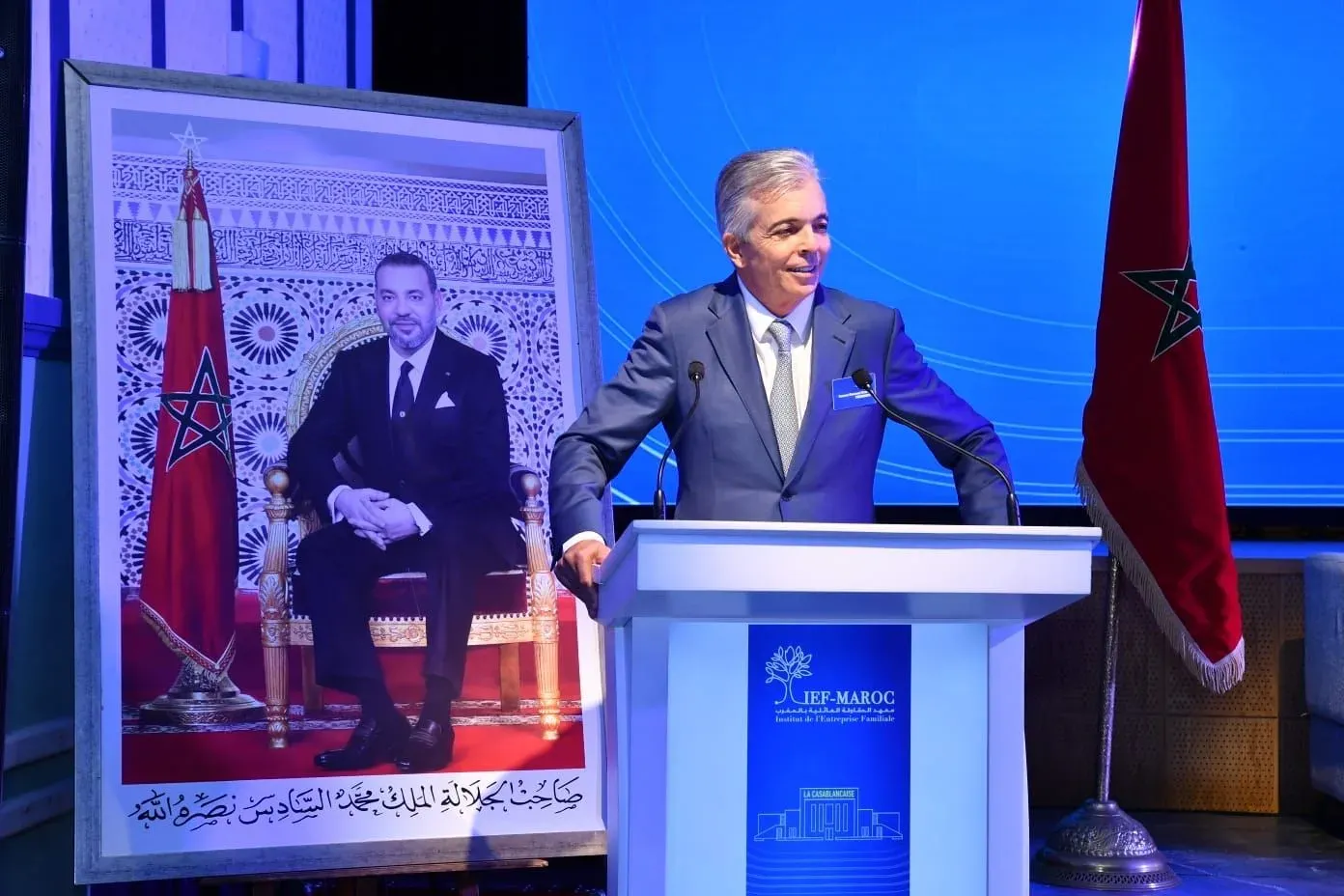
Family-owned businesses represent an astonishing 92.9% of all enterprises in Morocco, contributing significantly to the nation’s economic landscape. These firms are responsible for generating 60.5% of the national value added and providing employment to approximately 6.3 million individuals, which translates to nearly 65% of the entire workforce in the country. These remarkable statistics were unveiled in a groundbreaking national study conducted by the Institut de l’Entreprise Familiale Maroc (IEF-Maroc) and supported by the International Finance Corporation (IFC), a member of the World Bank Group. The findings, presented on June 4 in Casablanca, underscore the crucial role that family businesses play as key drivers of growth and job creation within the Moroccan economy.
Despite these impressive figures, the study also reveals some alarming trends regarding the longevity of family firms in Morocco. Only 15% of these businesses manage to survive into the third generation, and a mere 5% have been operational for over 50 years. The average lifespan of a family business in Morocco is currently 24.2 years, with only 31% being managed by second-generation leaders. Kacem Bennani-Smires, President of IEF-Maroc, emphasized that the challenges of succession transcend individual families, impacting the economy at large. He highlighted that failed intergenerational transitions lead to job losses, the erosion of strategic competencies, and the disappearance of valuable expertise accumulated over decades.
Challenges and Opportunities for Family Firms
Bennani-Smires described the failure of 85% of family businesses to reach the third generation as a significant tragedy for both families and the economy. He called for an urgent need for enhanced succession planning and the establishment of professional governance structures. At the conference's opening, Minister of Industry and Commerce Ryad Mezzour lauded family firms as the backbone of Moroccan commerce and urged entrepreneurs to expedite their international growth, invest in proprietary brands, and embrace emerging technologies like artificial intelligence.
Cheick-Oumar Sylla, IFC Regional Director for North Africa and the Horn of Africa, remarked that the study provides concrete data to support long-held beliefs about the importance of family businesses. He noted that the findings validate the World Bank and IFC's commitment to fostering private-sector development, entrepreneurship, and job creation in the region. The research also offers a detailed view of the sector, indicating that nearly 75% of Moroccan family firms qualify as very small, small, or medium-sized enterprises, highlighting their essential role in local economic activities and community development.
Interestingly, those family firms that achieve longevity tend to outperform their non-family counterparts, often benefiting from more structured governance and well-prepared leadership transitions. Othman Benkirane, CEO of Kitea Group and a second-generation leader, acknowledged the importance of peer exchange within IEF-Maroc, attributing valuable insights gained from interactions with third- and fourth-generation executives as instrumental in navigating future challenges.
The study identifies several key areas for improvement, including enhancing intergenerational succession mechanisms, facilitating better access to financing for family-owned SMEs, advocating for governance best practices, and supporting digital transformation initiatives. For IEF-Maroc, the release of this publication signifies the beginning of a broader initiative to incorporate family enterprise considerations into public policy and national development strategies.
As reported by moroccoworldnews.com.