Mehdi Black Wind's Legal Battle: Context and Repercussions
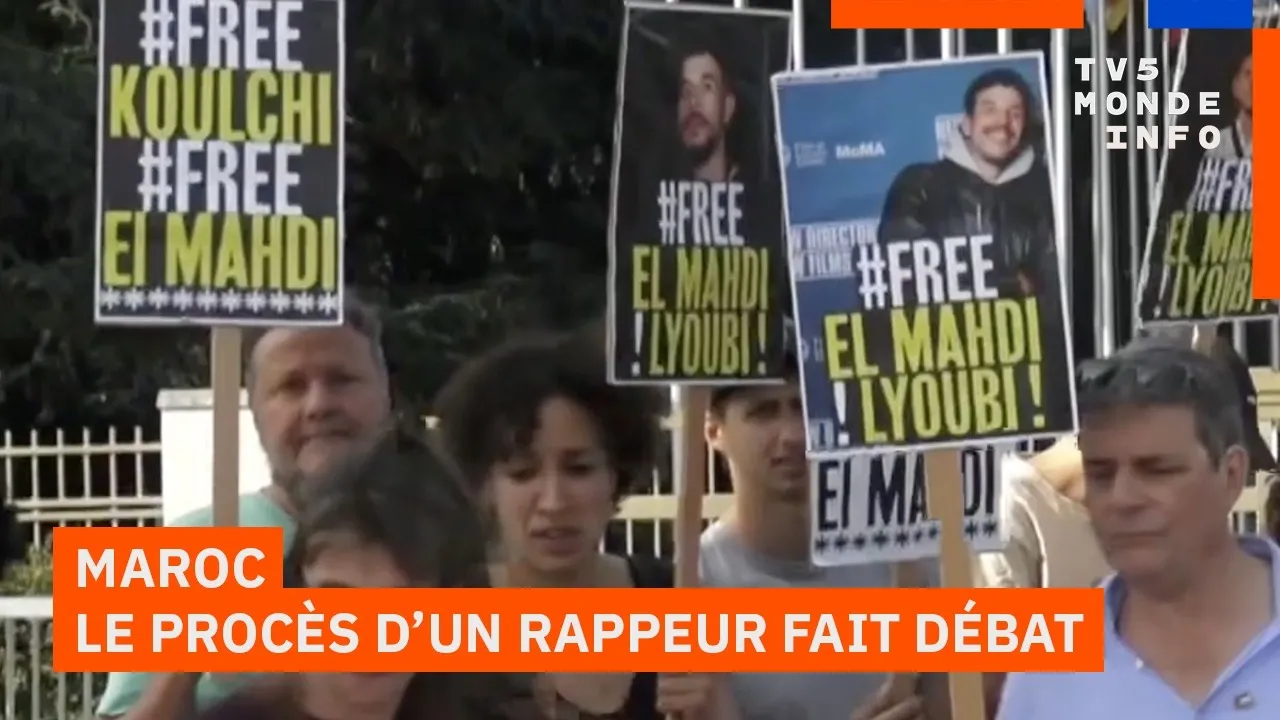
The Moroccan filmmaker and rapper, Mehdi Black Wind, is set to face the Moroccan judiciary on charges of "insulting a constitutional institution". His trial, scheduled for this Wednesday, has ignited considerable public discourse, not only within Morocco but also across various cities in Europe and even as far as Montreal, where support movements have emerged. This case has raised important questions about freedom of expression and the role of arts and culture in political discourse, prompting a significant examination of the legal frameworks that govern such expressions in Morocco.
The Broader Implications of the Trial
The upcoming trial of Mehdi Black Wind is emblematic of the tensions that often exist between creative freedom and governmental oversight in many countries. As a prominent figure in the Moroccan cultural scene, his work has frequently challenged societal norms and political structures. The support rallying around him highlights a growing concern among artists and activists regarding the limits placed on artistic expression. Observers note that this trial could set a precedent for how similar cases are handled in the future, potentially affecting countless artists and their ability to critique or satirize governmental institutions without fear of reprisal.
As the trial approaches, it remains to be seen how it will unfold and what impact it will have on the artistic community in Morocco and beyond. The case not only serves as a focal point for discussions about artistic freedom but also for broader debates about democracy and human rights in the region. The outcome could influence public sentiment and the legal landscape regarding freedom of speech and expression in Morocco, as well as resonate with international audiences concerned about these critical issues.
As reported by youtube.com.