In the aftermath of the tragic death of Abderrahim Fakir, a 42-year-old Moroccan immigrant during a police operation in Italy, the Moroccan government has swiftly called for a thorough investigation into the incident. The Moroccan Foreign Ministry emphasized the necessity for a complete clarification, stating that those responsible must be identified and appropriate legal measures must be fully implemented. This call for justice comes amid growing concerns about excessive police violence and accountability in law enforcement.
Details Surrounding the Incident
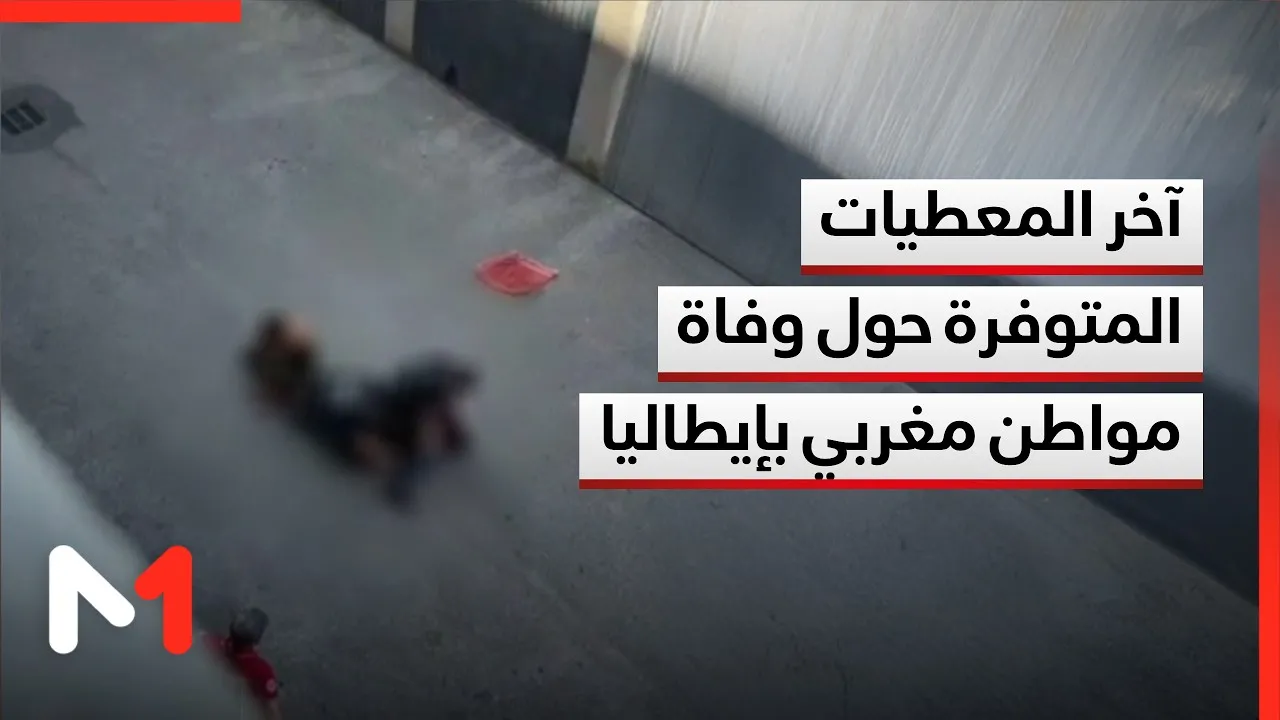
Fakir lost his life on a street in Bologna on a Sunday afternoon, with chilling footage recorded by a neighbor capturing the moment. In the video, he is seen being forcefully restrained by two police officers, his hands cuffed behind his back as he repeatedly cries out for help, pleading, "Enough! Enough!" The footage raises serious questions about the officers’ use of force, as Fakir appears to pose no threat while on the ground. Despite his visible distress, the officers continued to apply pressure until he became unresponsive. It was only after several minutes that paramedics, who witnessed the scene, attempted to turn him over, but by then, it was too late; the emergency doctor declared him dead shortly after.
The case has sparked significant media attention in Italy, with many expressing outrage over what is perceived as a clear instance of police brutality. Investigators are hoping that the autopsy results will shed light on the circumstances surrounding Fakir's death. Additionally, the body camera footage from one of the involved officers has been submitted to the prosecution, along with the neighbor's video.
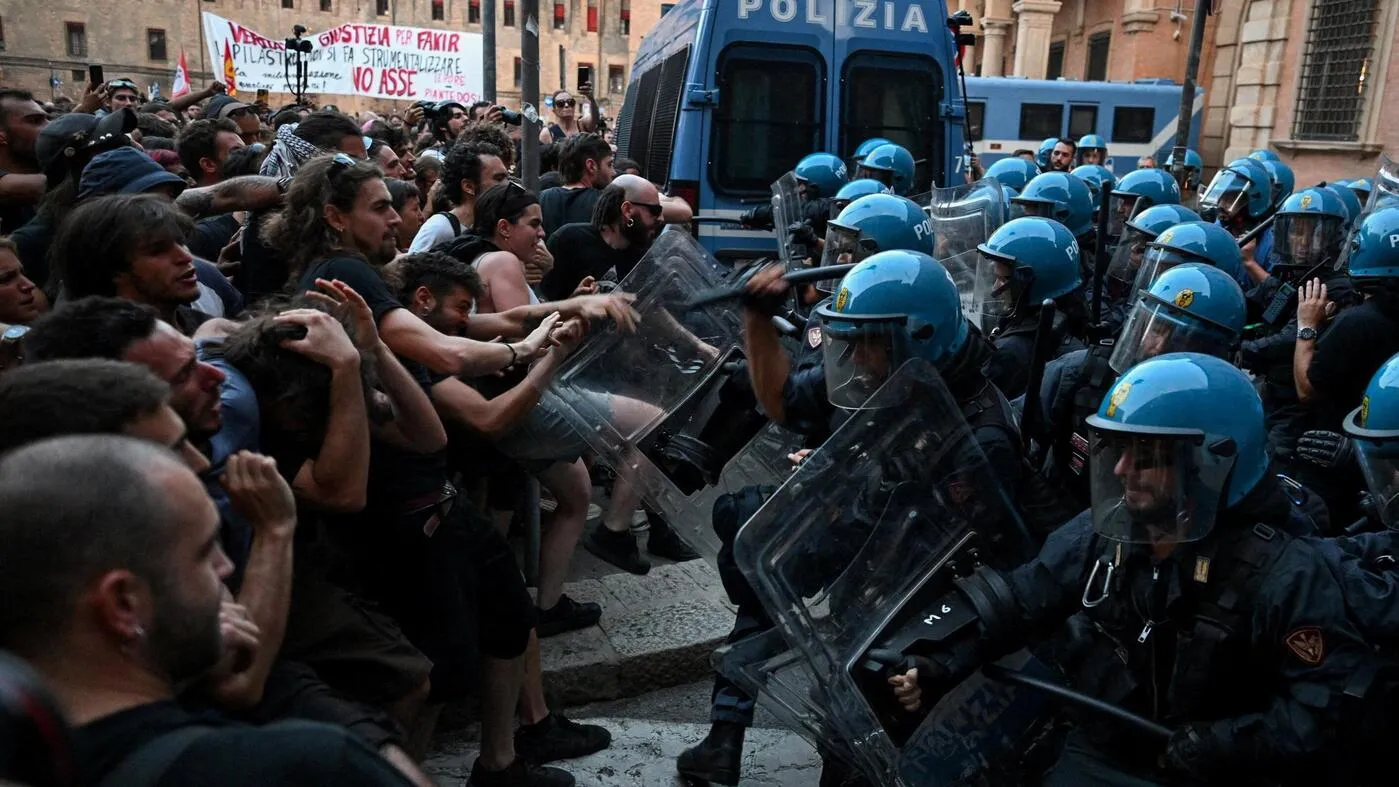
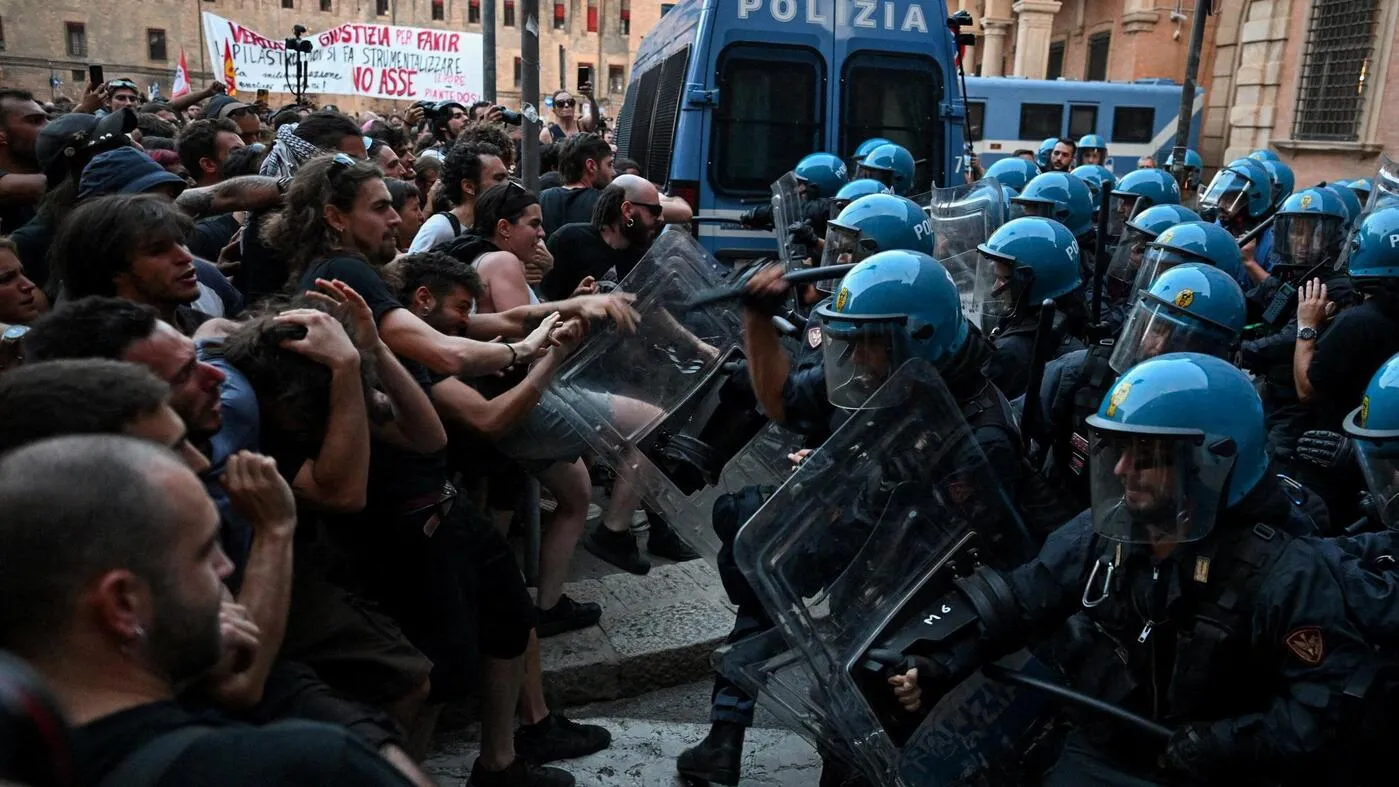
On the Tuesday following the incident, protests erupted in various cities, particularly in Bologna, where thousands gathered to demand justice. Demonstrators carried signs with slogans such as "Truth and Justice," highlighting the public's call for accountability in the wake of police violence.
Community Response and Ongoing Investigations
Following the fatal police intervention, clashes occurred in Bologna between protesters and law enforcement. Family representatives voiced their demands for clarity, leading to chants against police actions and calls for justice, with some labeling the incident as “state murder.” Despite the initially peaceful demonstration, tensions escalated, with reports of participants throwing bottles and Molotov cocktails at the police. Law enforcement responded with water cannons and tear gas, resulting in at least eleven injuries among both officers and demonstrators, with two individuals requiring hospitalization.
Fakir, who had lived in Italy for over thirty years and owned a small cleaning business, was well-regarded in his community. His family has condemned the violence that followed the protests while demanding answers regarding his death. His sister stated, "I will not find peace until my brother is avenged. They beat him and killed him." Barbara Spinelli, a lawyer who assisted Fakir with his residency permit, described him as a "kind, well-educated, respectful person," expressing her heartbreak over the incident.
The circumstances of the arrest remain murky, with reports indicating that police were called to the Pilastro neighborhood following a disturbance. Eyewitness accounts suggest that Fakir may have been in a state of distress, and upon arrival, the officers used pepper spray before restraining him on the ground.
In light of these events, the Italian government, led by Prime Minister Giorgia Meloni, has assured that a complete investigation will take place, promising full transparency. While Interior Minister Matteo Pantedosi referred to the incident as a "great tragedy," he cautioned against hasty judgments regarding police actions. Meanwhile, the right-wing Deputy Prime Minister Matteo Salvini defended the officers' conduct, asserting they acted professionally.
As investigations are underway, preliminary inquiries into the two police officers involved and four paramedics who witnessed the event are ongoing, focusing on charges of negligent homicide. Under Italy's new security law, the officers will not be placed into the regular investigative register but will instead be recorded in a separate preliminary register, a procedure applicable to cases where law enforcement officials use force that initially appears justified.
As reported by tagesspiegel.de.