Demands for Accountability After Tragic Incident
The tragic death of a Moroccan immigrant, Abderrahim Fakir, during a violent police operation in Italy has prompted urgent calls for investigation from the Moroccan government. As declared by the Moroccan Foreign Ministry, it is imperative that the circumstances surrounding the 42-year-old's death are "fully clarified." Authorities responsible must be identified, and appropriate legal actions must be executed without delay. This incident has raised serious concerns about police conduct and excessive use of force.
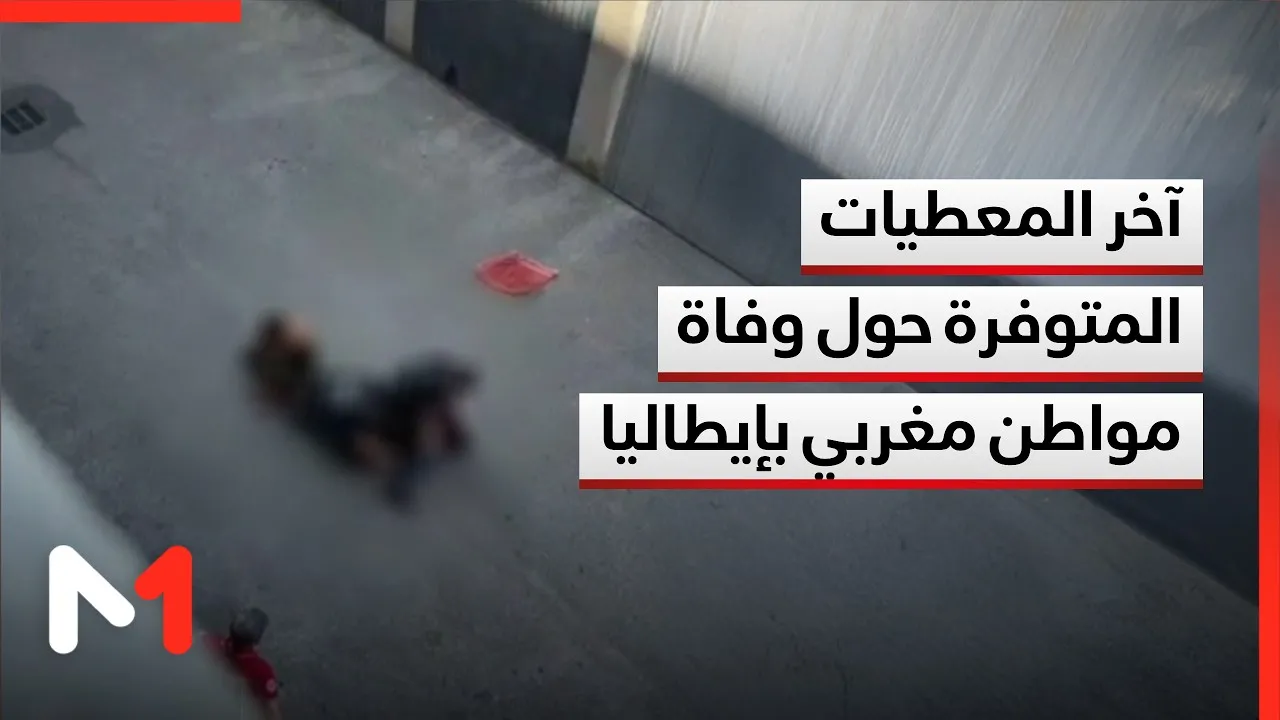
Fakir died on a Bologna street during a police intervention that reportedly involved him being restrained by two officers. Eyewitness accounts and footage captured by a neighbor depict a harrowing scene where Fakir, handcuffed and on the ground, repeatedly called out for help, pleading for the officers to stop. Despite his apparent lack of threat, the officers maintained their hold on him until he became unresponsive. It was only after several minutes that paramedics, who had been present, attempted to revive him, but unfortunately, he was pronounced dead shortly thereafter.
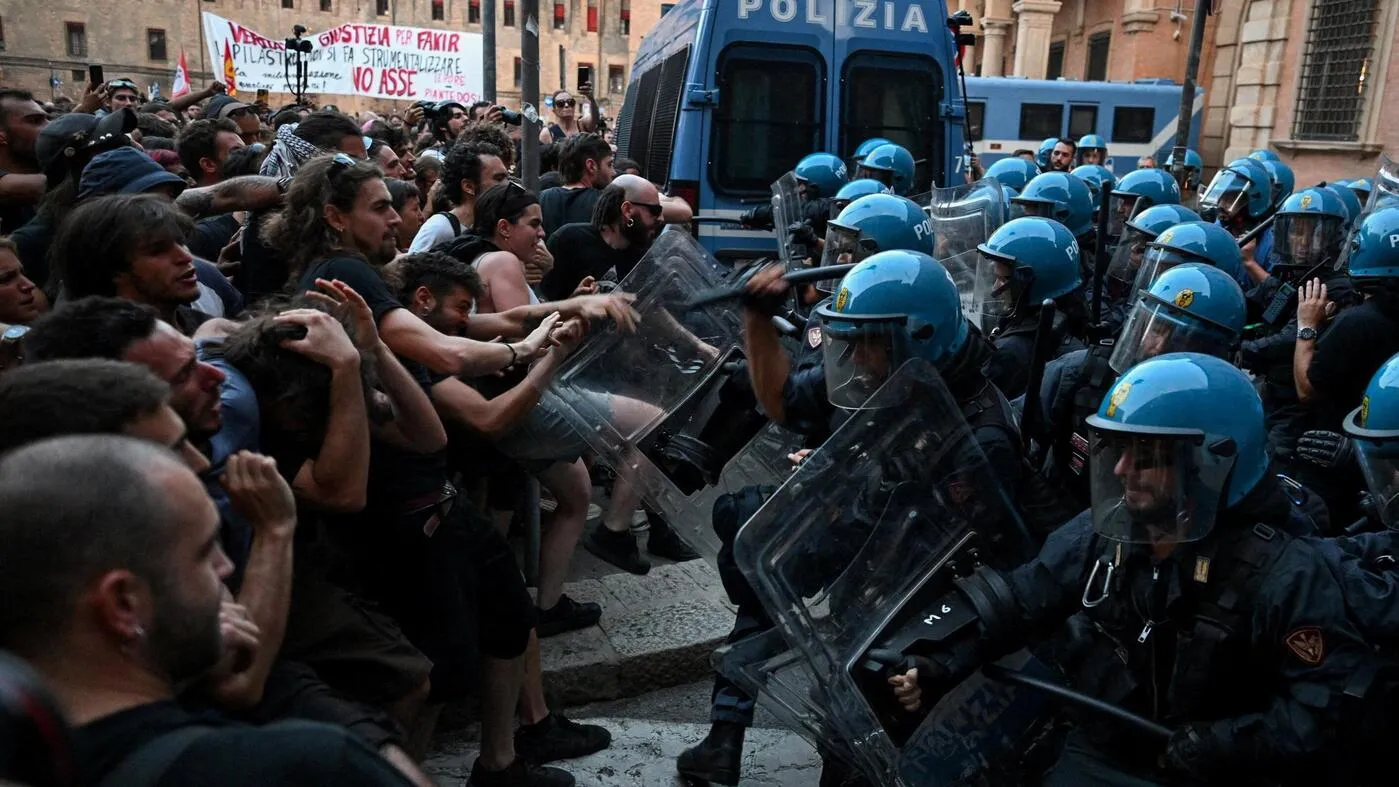
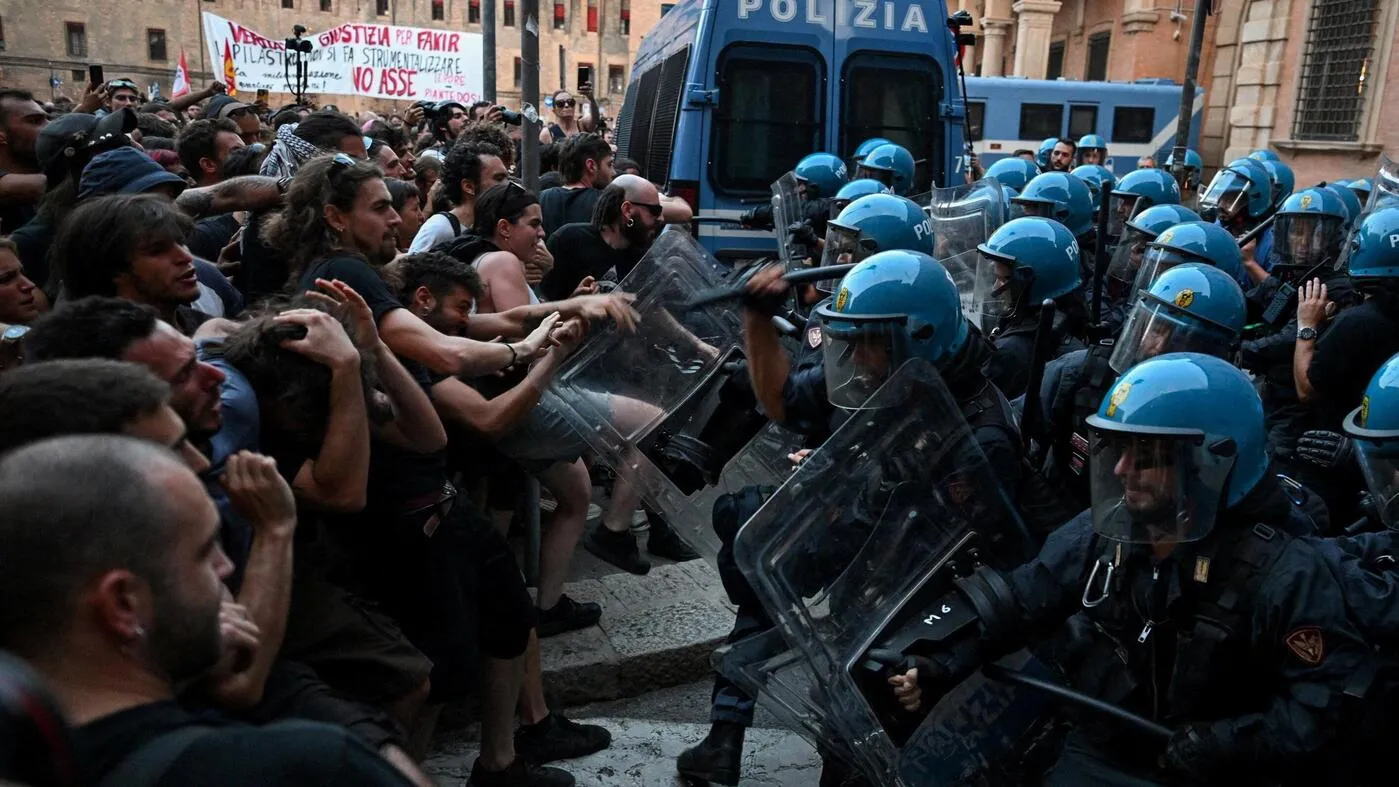
This incident has ignited widespread outrage across Italy, with investigators hoping to gather insights from the autopsy and bodycam footage from the involved officers. The footage taken by the neighbor is now also in the possession of law enforcement. On Tuesday, protests erupted in several cities, particularly in Bologna, where thousands gathered to demand justice, holding placards emblazoned with slogans such as "Truth and Justice." The protests reflected deep public concern regarding allegations of police brutality.
Public Outcry and Protests
In Bologna, the protests quickly escalated from peaceful demonstrations to confrontations with law enforcement. Many protesters voiced their anger through chants against police actions, with some even labeling the incident as "state murder." Following initially calm gatherings, reports indicated that some demonstrators began throwing bottles and Molotov cocktails at the police, leading to clashes that required the use of tear gas and water cannons by law enforcement. Reports from emergency services indicated that at least eleven individuals were injured during these confrontations, including six police officers and five protesters, two of whom required hospitalization.
Fakir had lived in Italy for over 30 years, having arrived as a child, and was a small business owner. His family is now demanding justice while also condemning the violent outbursts during the protests. Fakir's sister expressed her anguish, stating, "I will not find peace until my brother is avenged. They beat him and killed him." The family's attorney described him as a "kind, educated, and respectful person," underscoring the community's loss.
The circumstances leading to the police intervention remain unclear. Initial reports suggest that police were called to the area due to claims of a disturbance involving Fakir, who was allegedly visiting relatives. Upon arrival, law enforcement claimed that Fakir exhibited erratic behavior, prompting them to use pepper spray and forcibly restrain him. As the investigation continues, public pressure mounts on the authorities to address the issue of police violence and ensure accountability.
As the situation unfolds, the Italian government has pledged to thoroughly investigate the incident, promising complete transparency in the process. The right-wing government under Prime Minister Giorgia Meloni has faced criticism for its handling of the matter, with opposition figures denouncing the promotion of hate and racism. Meanwhile, preliminary investigations into the actions of the officers involved in the incident are underway, highlighting the complexities surrounding police conduct in cases of alleged excessive force.
As reported by tagesspiegel.de.