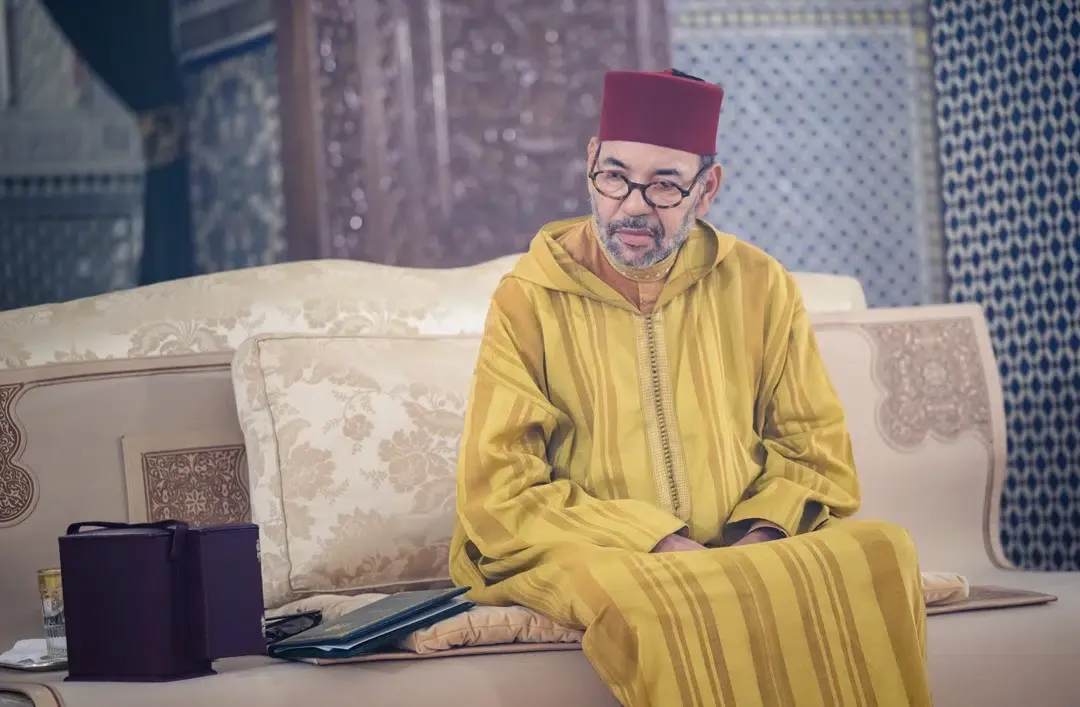

On the evening of August 24, 2026 (11th of Rabie I, 1448 in the Islamic calendar), King Mohammed VI of Morocco, in his capacity as Amir Al-Mouminine (Commander of the Faithful), presided over a significant religious vigil at the Royal Palace in Rabat. This event was held to commemorate the birthday of the Prophet Muhammad, known as Eid Al Mawlid Annabawi. The monarch was accompanied by Crown Prince Moulay El Hassan, Prince Moulay Rachid, and Prince Moulay Ahmed, highlighting the royal family's participation in this sacred occasion.
The ceremony saw the attendance of several dignitaries, including Prime Minister Aziz Akhannouch, the presidents of both chambers of Parliament, high-ranking military officers, and representatives from the accredited diplomatic corps of Islamic nations in Rabat. Minister of Religious Endowments and Islamic Affairs, Ahmed Toufiq, presented before the King the reports from the Supreme Council as well as local councils of the Ulema (Islamic scholars). In his speech, Minister Toufiq emphasized the implementation of the communication plan "Tassid Tabligh," which aims to promote ethical values and overcome selfishness among the populace.
Following his address, the Minister presented the Sovereign with the work titled "Dakhirat Al Muhtaj Fi Assalati Ala Sahibi Alliwae Wa Taj," a scholarly publication featuring historical Moroccan manuscripts dedicated to prayers in honor of the Prophet Muhammad. This gesture reflects the importance of preserving and celebrating Morocco's rich Islamic heritage.
In parallel to the religious celebrations, the Justice Ministry announced the royal pardon of 634 convicted individuals, showcasing the King’s commitment to mercy and justice within the framework of the law. The details of these pardons were specified in the ministry's announcements, demonstrating a balance between justice and compassion.
As reported by maghreb-post.de.