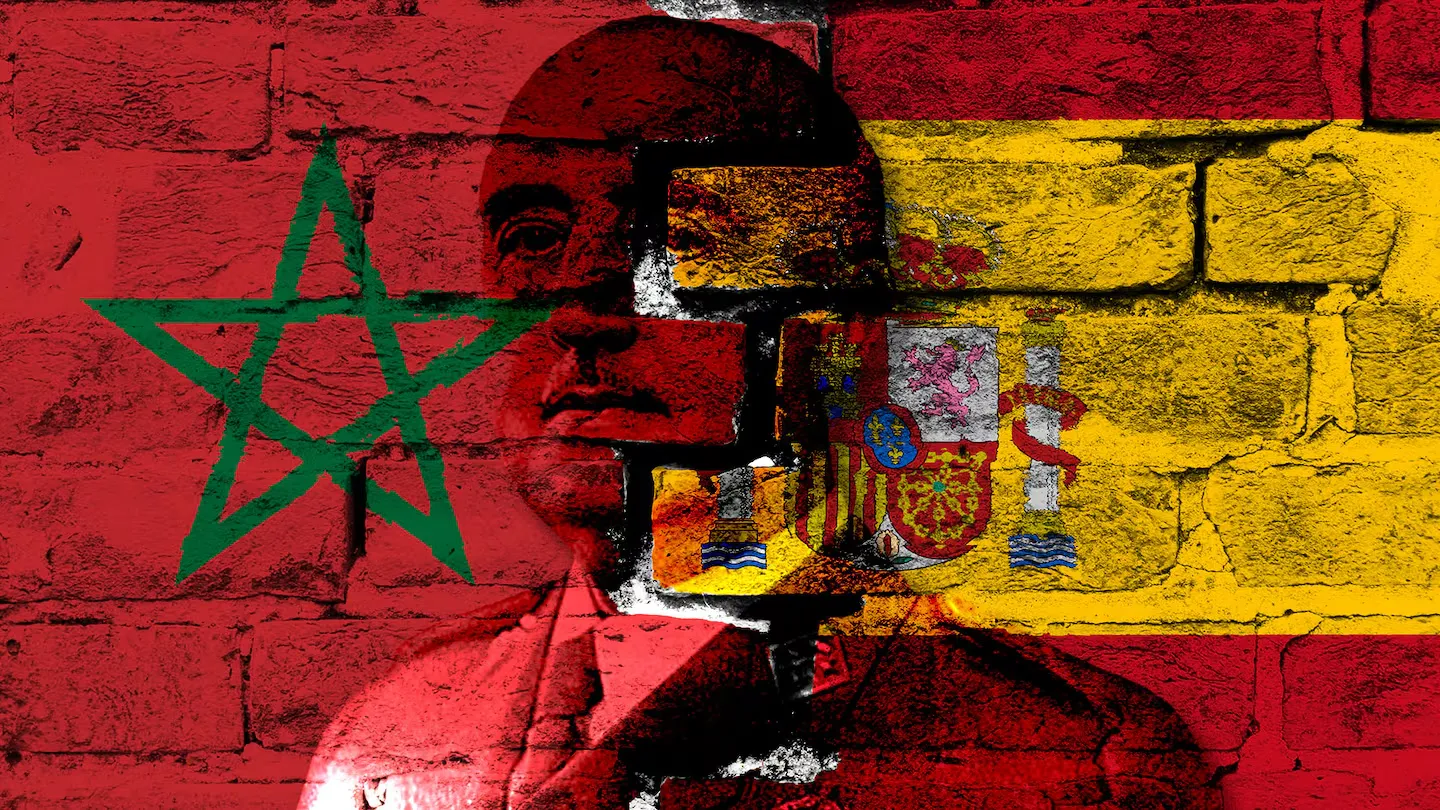

The months of October and November in 1975 marked a significant turning point in Spanish history, as Francisco Franco, the long-standing dictator of Spain, lay on his deathbed in Madrid. His body had endured a series of harrowing medical interventions, and the regime he had built over nearly four decades was beginning to crumble. Franco would ultimately pass away on November 20, 1975, leaving behind a legacy of authoritarian rule and a nation on the brink of transformation.
Franco's ties to Morocco were deeply ingrained, resonating through the very core of his military and political identity. He emerged as a prominent figure during his military career in Morocco, starting as an officer in the Regulares and later becoming a key player in the Spanish Foreign Legion, established by José Millán-Astray. This military background not only earned him medals and recognition but also set the stage for his future rise within the ranks of the Spanish military elite. It was in Morocco that he faced near-fatal injury during combat in 1916, an event that significantly shaped his military trajectory and political ambitions.
Meanwhile, across the Strait of Gibraltar, a young monarch named Hassan II ruled Morocco with a keen political acumen. He forged a strategic relationship with Henry Kissinger, then U.S. Secretary of State, positioning Morocco as a vital component in the broader American strategy in North Africa, particularly against Algeria, which leaned toward the Soviet sphere of influence. Utilizing the waning days of Franco's regime, Hassan II orchestrated the Green March on November 6, 1975, mobilizing hundreds of thousands of Moroccans in a seemingly peaceful demonstration to reclaim Spanish Sahara, a territory that Spain was reluctant to relinquish.
The international community had previously recognized that historical ties between the Moroccan sultan and certain Sahrawi tribes did not equate to territorial sovereignty, nor did they negate the right of the Sahrawi people to self-determination. However, Hassan II swiftly capitalized on Spain's internal chaos, leveraging geopolitical dynamics that favored his agenda of territorial expansion. The U.S. viewed Hassan II's consolidation of power as a means to counter Algerian influence, maintain a strategic balance in the Mediterranean, and further its own interests in the region.
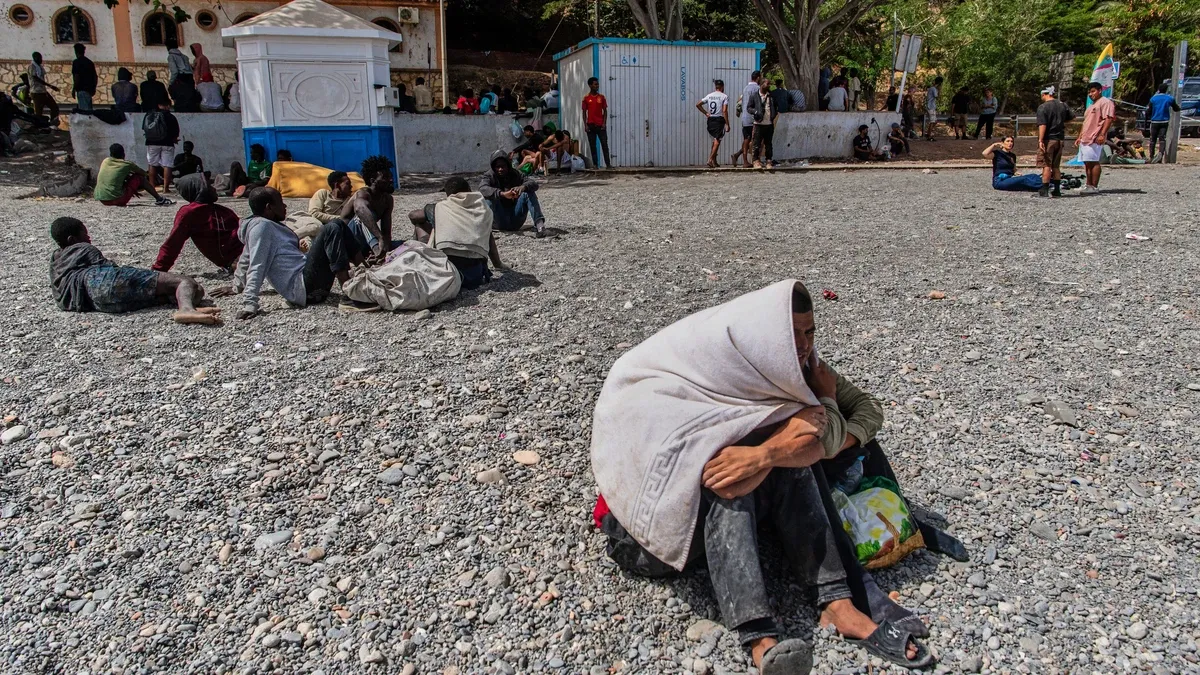
This historical backdrop brings us to the present day, where the echoes of past events reverberate through contemporary crises. The small enclave of Ceuta, one of the last remnants of Spanish territory in Africa, finds itself at the center of a new immigration challenge, starkly reminiscent of the Green March—though this time, the operation is not state-organized but rather a mass influx of migrants crossing from Morocco into Ceuta. Within a mere 24 hours, approximately 49,000 individuals crossed the border, testing Spain's sovereignty and raising alarms about the control of European borders.
While the current situation is not a direct replica of the Green March, it highlights the vulnerabilities of Ceuta as a strategically isolated territory. The massive influx, primarily composed of Moroccan migrants but also including individuals from other African nations, necessitated a swift response from the Spanish government, which deployed police, civil guards, and military personnel to restore order. The consequences were dire, resulting in multiple fatalities and necessitating coordination with Moroccan authorities for the repatriation of thousands.
As we reflect on the parallels between 1975 and 2026, it is evident that the geopolitical landscape has evolved, yet the underlying tensions remain. France, Spain, and the United Kingdom—each with their own historical ties to former empires—continue to grapple with migration issues that challenge their national identities and security. The complexities of migration policy, particularly in the face of rising Arab and African migration, force these nations to confront difficult questions about citizenship, belonging, and moral obligations to those seeking refuge.
Furthermore, the recent political maneuvers within the European context, such as Italy's threats to suspend Schengen agreements in response to Spain's immigration policies, underscore the fragility of the mutual trust that underpins European cooperation. The political ramifications extend beyond national borders, reflecting a broader struggle to define what it means to be European in an increasingly diverse and interconnected world.
In conclusion, the historical narrative surrounding the Green March and its modern-day implications serves as a stark reminder of the enduring nature of geopolitical dynamics. As Spain navigates the complexities of immigration, sovereignty, and international relations, the lessons of the past remain relevant, urging us to reconsider the boundaries of identity and the responsibilities that come with them.
As reported by elfinanciero.com.mx.