
Understanding the US-Morocco Strategic Alliance
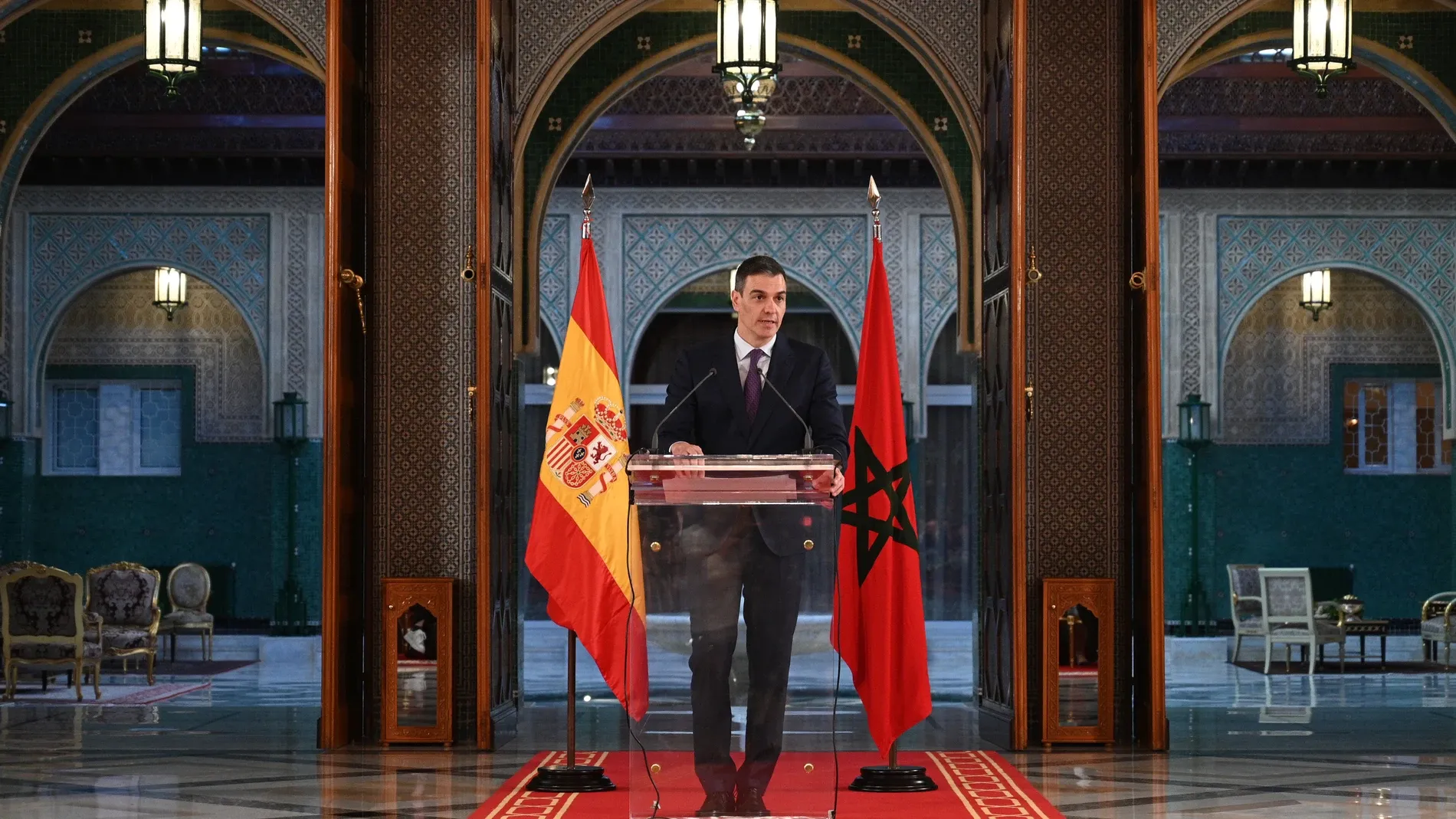
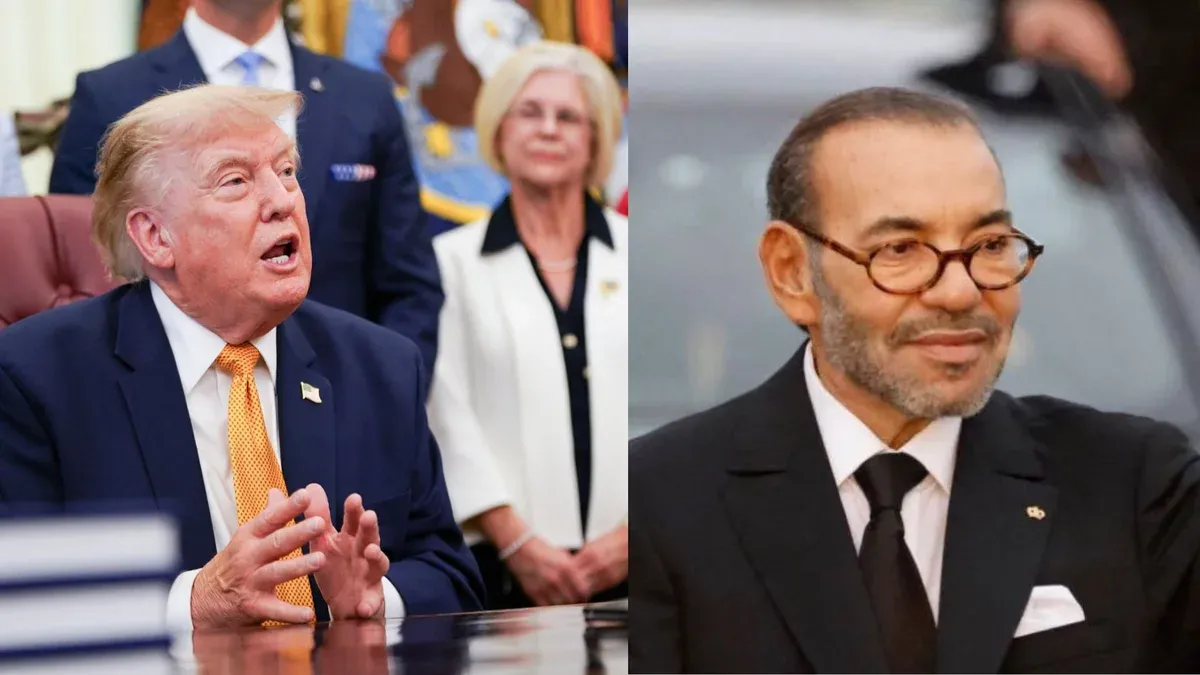
The strategic partnership between Morocco and the United States has evolved significantly over the decades, marked by a history of cooperation in defense, trade, and intelligence. This relationship took a pivotal turn in late 2020 with the signing of the Abraham Accords under the administration of then-President Donald Trump. Through these accords, Morocco re-established formal ties with Israel in exchange for the historic recognition by the United States of Moroccan sovereignty over Western Sahara. This diplomatic milestone was articulated by Carlota García Encina, a leading researcher on US and Transatlantic Relations at the Real Instituto Elcano, who emphasized that the Abraham Accords represent a significant success for Moroccan foreign policy, particularly because they involved acknowledgment from a global superpower.
Political Dynamics and Military Cooperation
Despite some internal discomfort in Moroccan society regarding normalization with Israel, the advancement on the Western Sahara issue helped to quell any controversy. Following the transition of power in the White House, the Biden administration opted for a cautious approach, maintaining the established status quo without reversing Trump's decision, though it did not fulfill the promise of opening a consulate in Western Sahara. The administration highlighted Morocco's stabilizing role in the region while occasionally addressing human rights concerns. Beyond political fluctuations, the US-Morocco alliance is anchored in solid structural foundations that date back to the Cold War, with a strong emphasis on counter-terrorism collaboration post-9/11 and a free trade agreement established in 2004. Today, the United States stands as Morocco's principal arms supplier, emphasizing the significance of their military ties. Garcia Encina notes that Morocco is a major non-NATO ally for the US, which allows for substantial technology transfers in military domains, further reinforced by large-scale joint military exercises, such as the African Lion maneuvers.
Additionally, the economic ties between the two nations extend beyond military cooperation, delving into the geopolitics of critical resources. Morocco is rich in essential minerals such as phosphates and cobalt, integral to the supply chain for electric batteries and other critical industries in the United States. The recent alignment between Rabat and Washington has been symbolically reinforced through gestures such as the naming of a significant transportation infrastructure in southern Morocco as "Donald J. Trump Highway," showcasing their strategic partnership.
As reported by antena3.com.