
Understanding Sánchez's Stance on Morocco
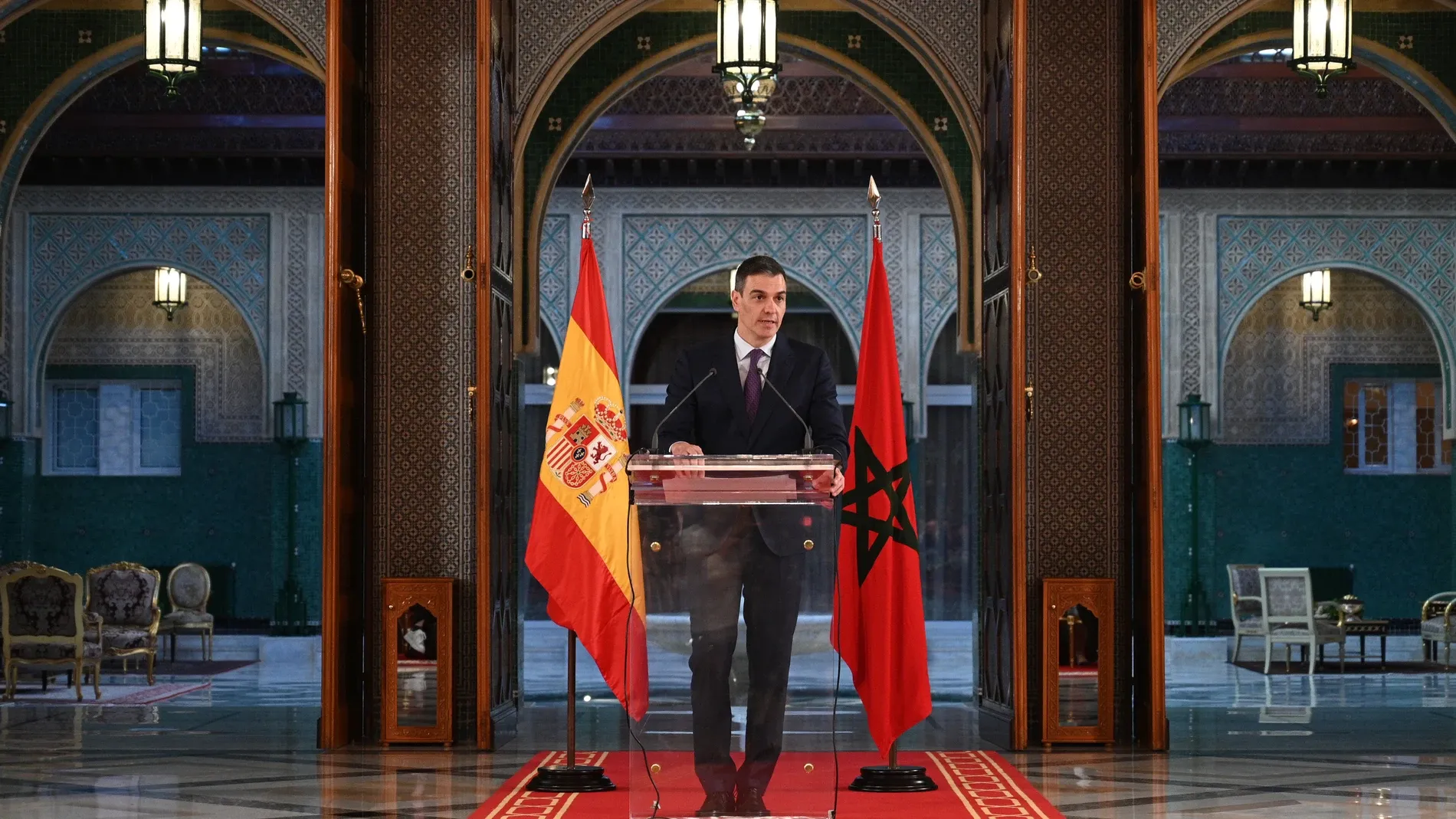
The ongoing geopolitical dynamics have led Spanish Prime Minister Pedro Sánchez to champion Morocco's role as a key ally, even amidst widespread disapproval from European counterparts. Sánchez’s position appears to be driven by a complex interplay of strategic interests that prioritize national security and immigration control over diplomatic relations with European nations. This approach raises critical questions regarding the implications for Spain's foreign policy and its commitment to European unity, especially considering the backlash from various factions within Europe.
The Controversy Surrounding Cooperation
In recent remarks, Sánchez has lauded the cooperation with Morocco, highlighting its importance in managing migration flows and enhancing regional stability. However, this endorsement has been met with skepticism, particularly given Morocco's controversial human rights record and its treatment of migrants. Critics argue that Sánchez's supportive rhetoric tacitly endorses Morocco's actions, which have drawn ire from human rights organizations and European leaders alike. As tensions escalate, it becomes increasingly necessary for Sánchez to navigate these diplomatic waters carefully, balancing domestic pressures with international expectations.
Ultimately, the question remains: why does Sánchez continue to defend Morocco despite the evident rejection from Europe? The answer may lie in a pragmatic approach that seeks to secure Spain's interests in a volatile region, yet it prompts a broader discussion about the ethical considerations of aligning with regimes that do not uphold democratic values. As this situation unfolds, it will be crucial for observers to monitor how these relationships evolve and their potential impact on Spain's standing within the European community.
As reported by larazon.es.