
The European Union has convened an emergency assembly in response to an unprecedented influx of approximately 60,000 migrants into Spain's North African territory of Ceuta within just a few days. This alarming situation has drawn attention not only to the humanitarian crisis at hand but also to the broader implications for EU migration policies and border security. Spain's coastguard has been actively patrolling the waters surrounding Ceuta, and local authorities have reported that the majority of these migrants have since been returned to neighboring Morocco.
The Crisis Unfolds in Ceuta
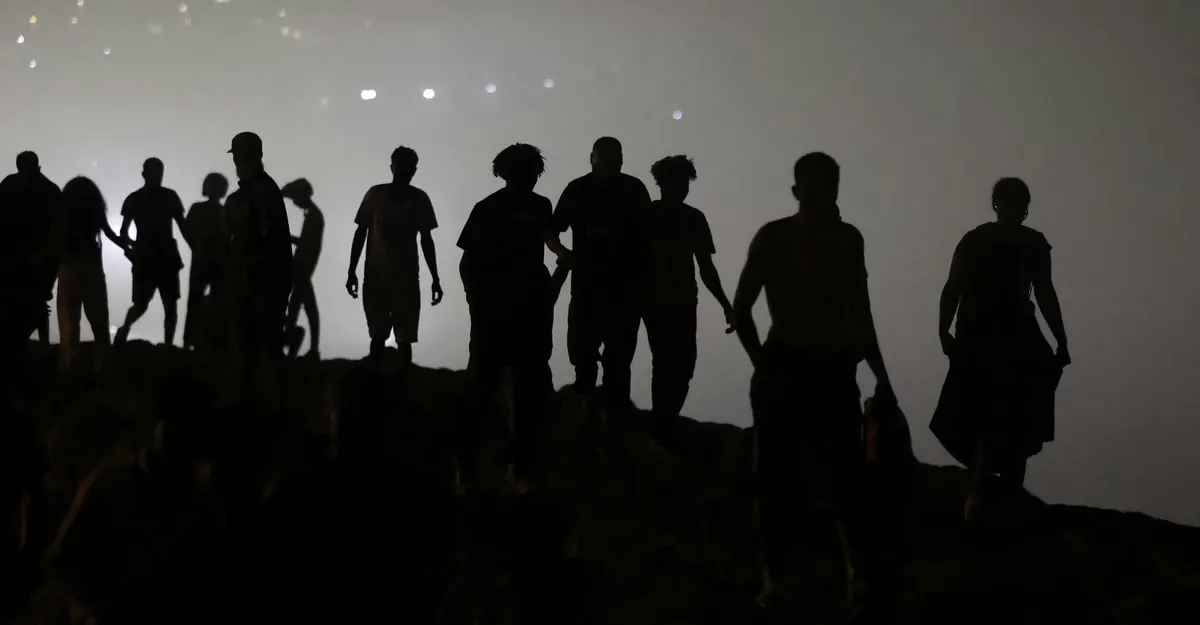
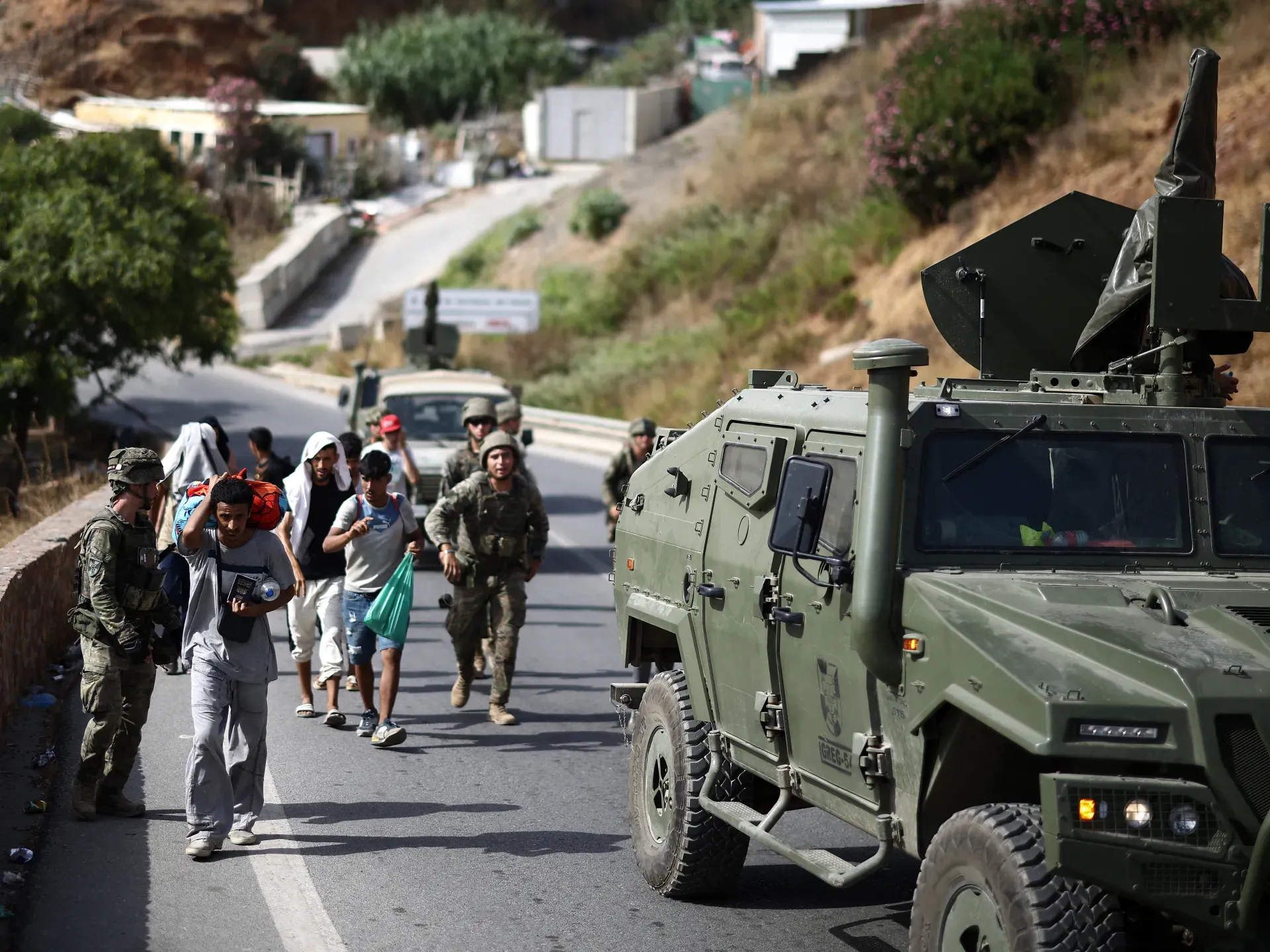
Ceuta, which has a population of only 84,000, saw an influx of migrants that far surpassed previous records, with estimates indicating that between Wednesday and Friday, as many as 60,000 individuals made the perilous journey from Morocco. Spanish officials have cited the figure at 50,000. Many of these migrants utilized wetsuits and inflatable rafts to navigate the waters, circumventing the existing border infrastructure through swimming or other means. Local reception centers were quickly overwhelmed, prompting calls for an immediate emergency response. A Moroccan migrant recounted his journey, stating, “I crossed through the sand at the beginning of Castillejos, then climbed over a wall belonging to the Moroccan police. Then I entered across the border by swimming. Well, I swam about 200 metres in the sea, and that’s all.” By Saturday, officials reported that almost all the migrants had left, restoring a semblance of normalcy to the territory.
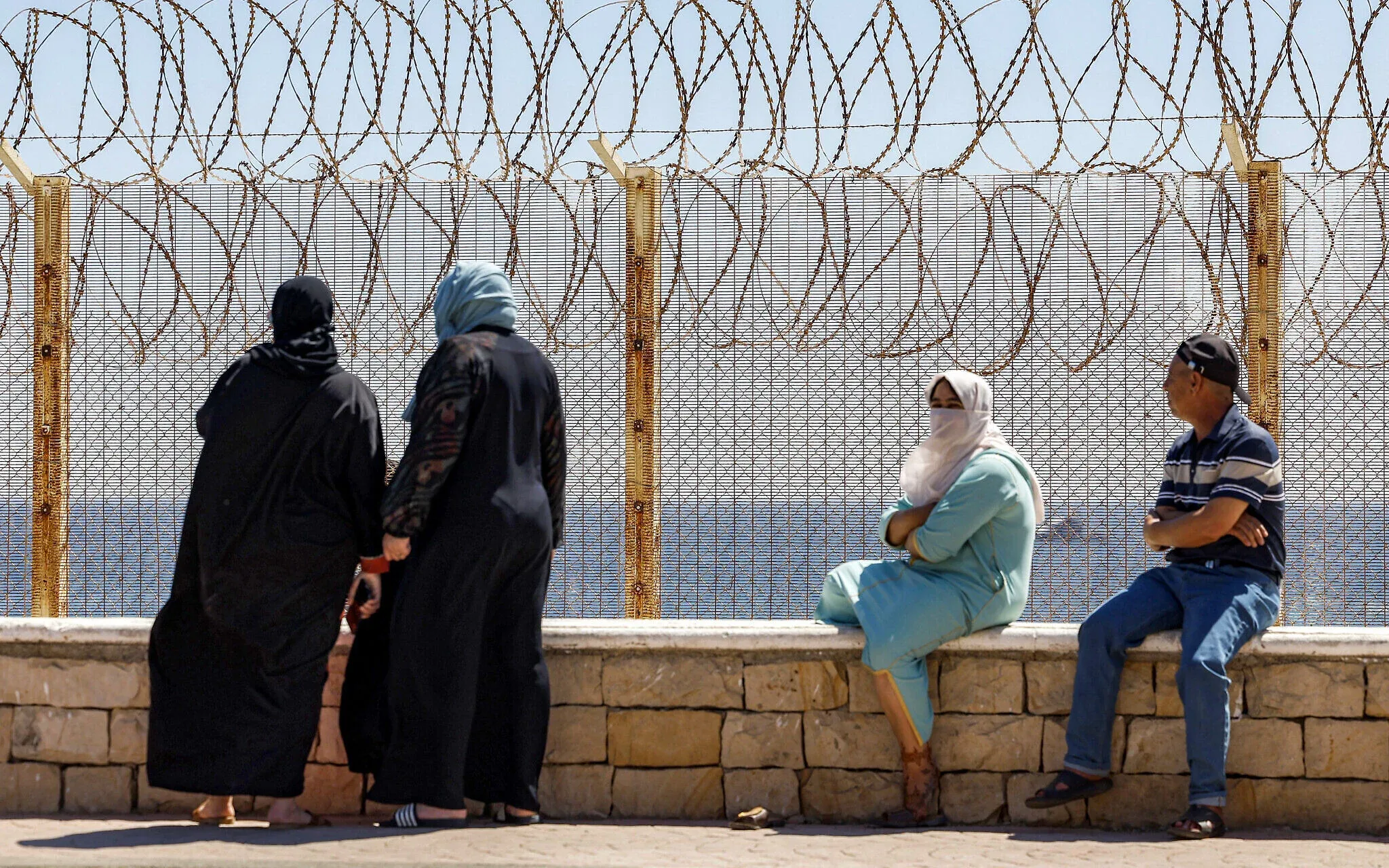
This migration wave marks the largest in Ceuta's history, with Spain’s Interior Minister Fernando Grande-Marlaska noting that the scale of this event eclipses the last significant migration incident in May 2021, when about 12,000 people crossed into Ceuta over two days. Ceuta, which has remained under Spanish control since its colonization in 1580, serves as a crucial entry point into Spain and the broader EU for asylum seekers and migrants. The enclave is fortified with high fences, surveillance technology, and a continuous presence of Spain’s Civil Guard and National Police.
EU's Response and Future Implications
In response to the crisis, Ireland, currently holding the rotating EU presidency, called an emergency video conference for the bloc's interior ministers to discuss coordinated action regarding the situation. This meeting was prompted by a joint letter from 22 of the EU's 27 member states advocating for a unified approach and the reinforcement of external borders. The letter emphasized the need to prevent uncontrolled mass crossings and mitigate the risks associated with migration and related threats. Italy has even suspended its Schengen open-border policy with Spain, a move that has drawn condemnation from Madrid, especially considering the two countries do not share a land border.
Additionally, French and British officials have expressed solidarity with Spain, with France announcing a significant increase in police presence at its border with Spain, while Portugal has indicated it will enhance border controls. Prominent European politicians, including Manfred Weber, leader of the European People’s Party, have called for expanded powers for Frontex, the EU's border agency, to manage such crises more effectively.
This recent surge in migration raises questions about the underlying causes. Analysts suggest that a recent Spanish Supreme Court ruling, which clarified that migrants intercepted at sea cannot be returned summarily, might have influenced this influx. However, some experts argue that this does not fully explain the level of mobilization observed, pointing instead to Spain's relatively open migration policies as a potential factor. The Interior Minister has attributed the situation to human smuggling networks that exploit vulnerable individuals, while emphasizing that Spain has largely restored order within 24 hours of the crisis.
In conclusion, the emergency meeting reflects the EU's ongoing struggle to establish a cohesive migration policy while addressing the humanitarian needs of migrants. As this situation develops, both the immediate response and the long-term implications for migration practices within the EU will be closely monitored.
As reported by aljazeera.com.