
The Wave of Migration to Ceuta
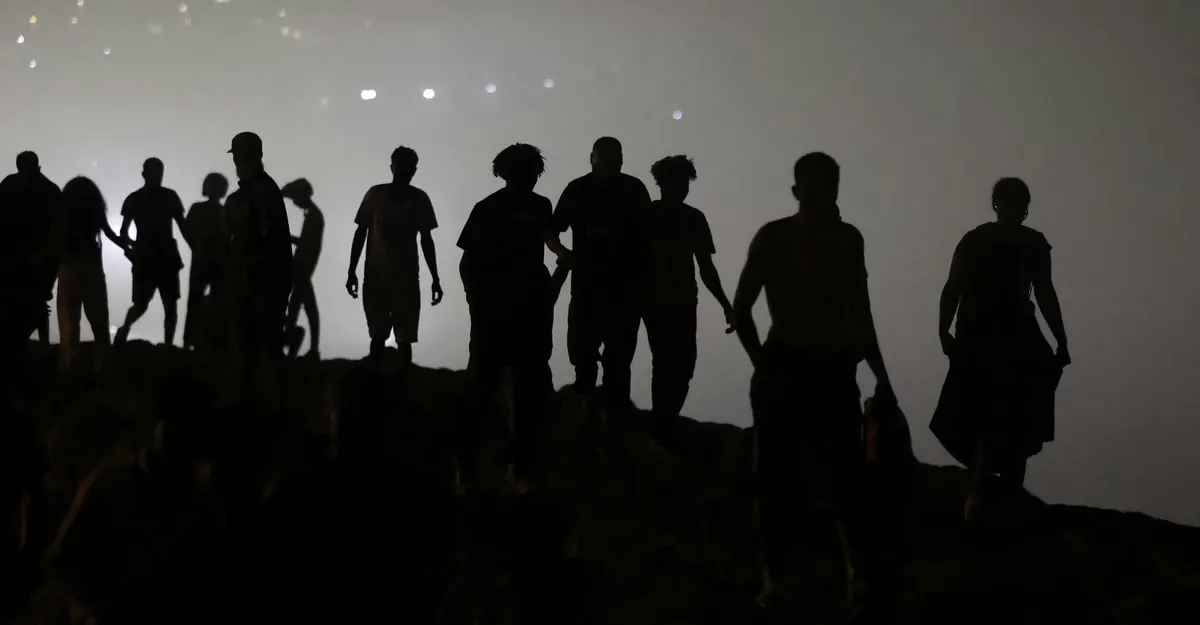
In a striking and alarming scene reminiscent of previous migration crises, recent images and videos have surfaced, depicting predominantly young male Moroccans making perilous attempts to breach the barriers separating them from Europe. This surge occurred in Ceuta, a Spanish enclave located in North Africa, on July 29 and 30. The footage resembles what could be termed migrant-terror videos, crafted for the consumption of the international far-right. The striking similarities between this incident and the so-called 'invasion' narrative propagated by various nationalist factions in the United States and Europe raise suspicions of a potentially orchestrated event.
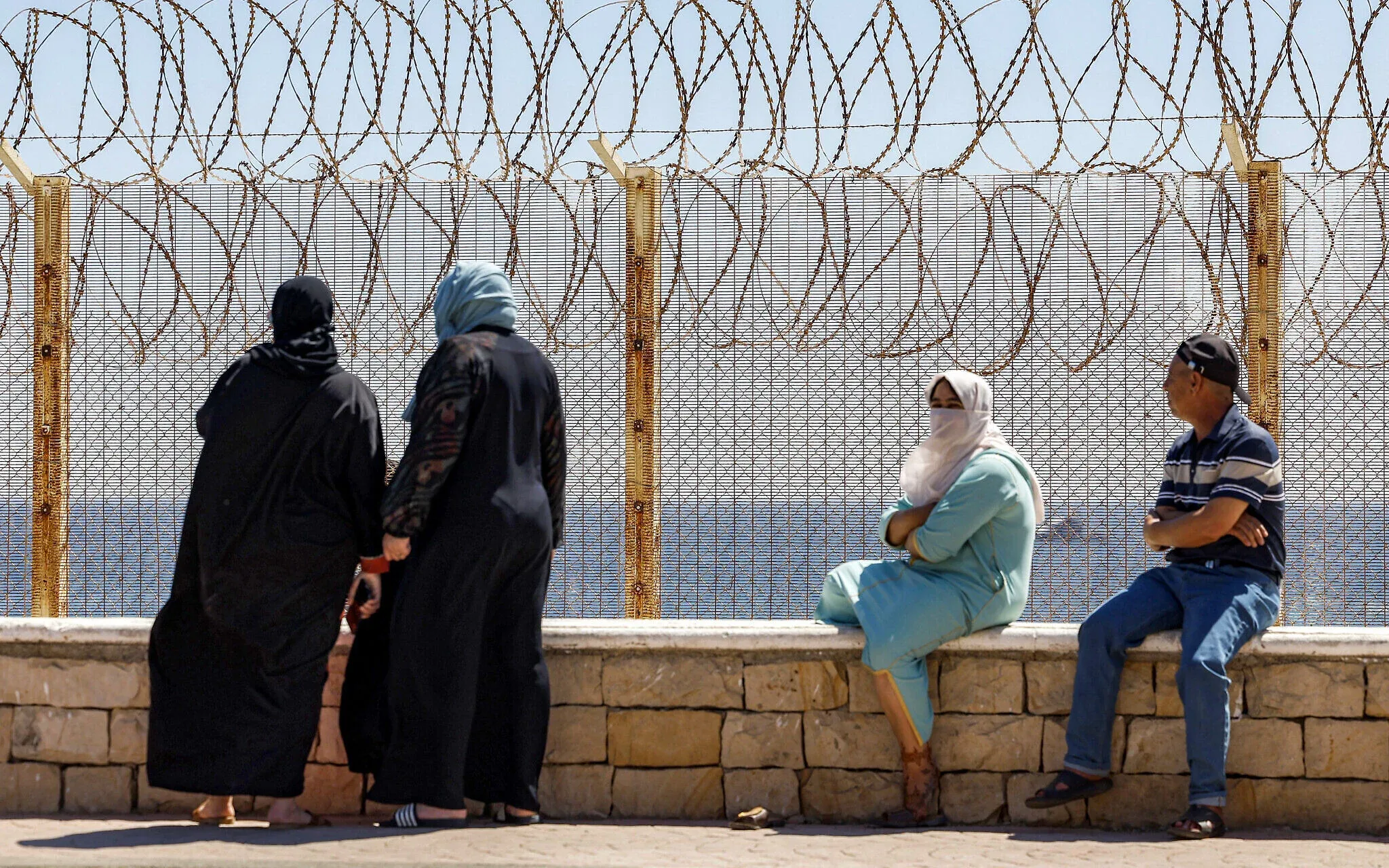
As of now, the specifics concerning the approximately 60,000 individuals who undertook the dangerous swim from Morocco to Ceuta remain unclear. However, it is evident that a considerable number were influenced by social media posts that encouraged this risky crossing. Ceuta, which has been under Spanish administration since the 16th century, is separated from mainland Spain. Consequently, reaching the mainland, and by extension the Schengen Area—where open borders allow for free movement within the European Union—requires passing through a controlled checkpoint. Notably, illegal immigrants cannot transit from Ceuta to the mainland at all.
The Role of Social Media in Migration Trends
Reports from outlets such as El Pais and various other Spanish, international, and Moroccan media indicate that many Moroccans were motivated by a TikTok video that falsely asserted, "the Spanish border is open and you can cross without papers." This misleading claim suggested that individuals could reach the European continent easily. The video seemed to reference a recent ruling by the Spanish Supreme Court, which has made it more challenging to return migrants arriving by sea. Additionally, there were numerous other social media messages that have since been deleted, providing detailed information about purchasing wetsuits, flippers, goggles, floats, and waterproof bags for personal belongings. Furthermore, screenshots from Google Maps indicated which areas of Ceuta's beaches might be less patrolled by law enforcement, while Moroccan border guards appeared either unwilling or unable to intervene effectively.
As reported by theatlantic.com.