
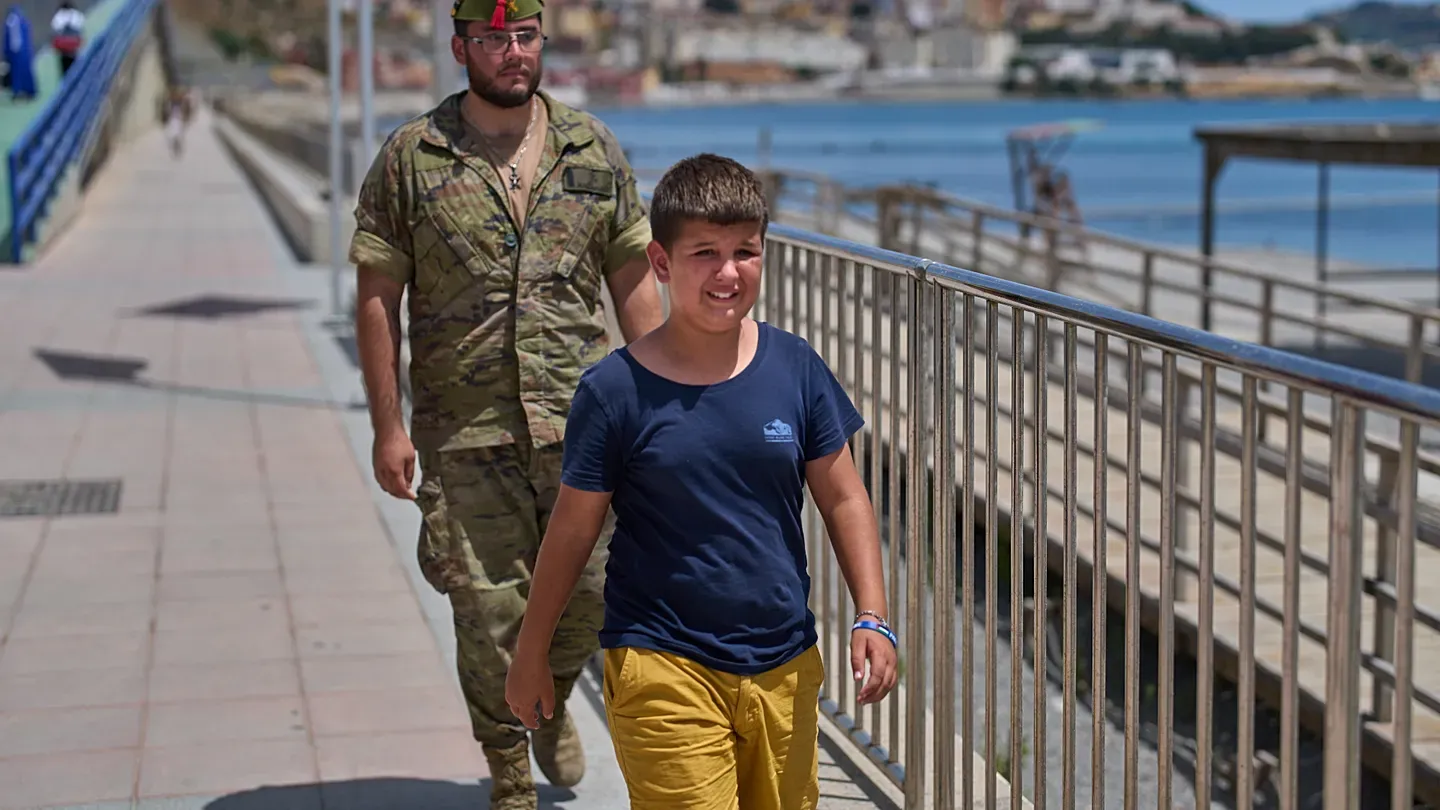

Ceuta Faces a Migration Emergency
Ceuta is currently overwhelmed as thousands of migrants have crossed the border via the Tarajal beach and Castillejos, particularly on the morning of July 30. Local security forces estimate that approximately 73,500 individuals have returned to Morocco, yet it is believed that between 2,500 and 5,000 migrants remain either detained or in the city. This ongoing crisis has tragically claimed at least 88 lives, according to preliminary reports from Ceuta's authorities, along with additional bodies recovered by Morocco in its own territorial waters.
Juan Vivas, the President of the Autonomous City of Ceuta, notes that between 3,000 and 5,000 Moroccan nationals are still present in the city, four days following the mass border crossings. He emphasizes that the situation has not yet stabilized and that Ceuta is still grappling with the ramifications of this crisis. Vivas also pointed out that in the days leading up to this event, there were between 1,800 and 2,000 unauthorized crossings. This trend underscores the urgent need for enhanced surveillance and improved coordination to prevent a recurrence of such an extensive crisis.
Urgent Measures for Minors and Community Tensions
In light of the situation, Ceuta is striving to expand its reception facilities to accommodate the 862 minors currently in municipal care. Authorities anticipate that this number could rise to nearly 1,000, acknowledging that there are likely additional youths on the streets who have not yet been accounted for. Until new accommodations are ready, these minors will remain in existing facilities that are already operating at full capacity. The Spanish exclave is intensifying its support for the unaccompanied minors who have arrived in recent days and is preparing for new reception measures, while also considering possible relocations to the mainland.
Ceuta's municipal services are enhancing their support for housing, food, and clothing for these minors, but they continue to search for those who may still be living on the streets. While the youngest children are now in improved conditions, older youth are temporarily housed in makeshift accommodations until more space becomes available. The care of these minors is now a top priority for Ceuta, with around 250 staff members dedicated to this effort. Authorities do not rule out the possibility that the number of minors under care will continue to rise, as some may initially stay with relatives or friends before seeking assistance from municipal services. Drawing from the experience of the 2021 migration crisis, Ceuta's government anticipates that the number of minors in care could reach between 1,000 and 1,100.
Since the implementation of this procedure in late September 2025, 655 minors have been relocated to the mainland. However, the arrival of more youth is once again placing immense pressure on the reception system. Ceuta was caring for approximately 200 minors as of mid-July, but that number has surged to 862. Consequently, the government of Ceuta is calling for expedited relocations as outlined in state regulations to alleviate the burdens on their facilities.
Ceuta's reception capacity is completely strained, with only 29 designated spots for minors, which are currently overbooked by nearly 3,000 percent. The city government is demanding a swift response from the central government along with additional funding as they prepare further accommodations, such as an industrial hall in El Tarajal, to manage the influx of newcomers. They are also calling for an increase in the already promised funds for the care of migrant children.
In response to fears of further incidents following the mass arrival of migrants, some residents of Ceuta have initiated their own neighborhood patrols in areas like Los Rosales, erecting barriers to block access to their streets. Although most individuals who arrived from Morocco have since returned, groups of young men remain in various locations throughout the city, raising concerns among parts of the community. Some of these individuals indicate that they are waiting for opportunities to continue on to the mainland, despite warnings from security forces to return to Morocco.
Following the mass influx of migrants, tensions have noticeably escalated in certain neighborhoods of Ceuta. Residents have reported isolated incidents and confrontations, as noted by the newspaper "El Faro de Ceuta." In one instance, a resident reported being assaulted after refusing to share a cigarette. Conversely, some young migrants have expressed that the actions of a few are harming the broader community. In neighborhoods like La Reina, unrest has grown as groups of newly arrived migrants seek food and shelter.
As reported by de.euronews.com.
