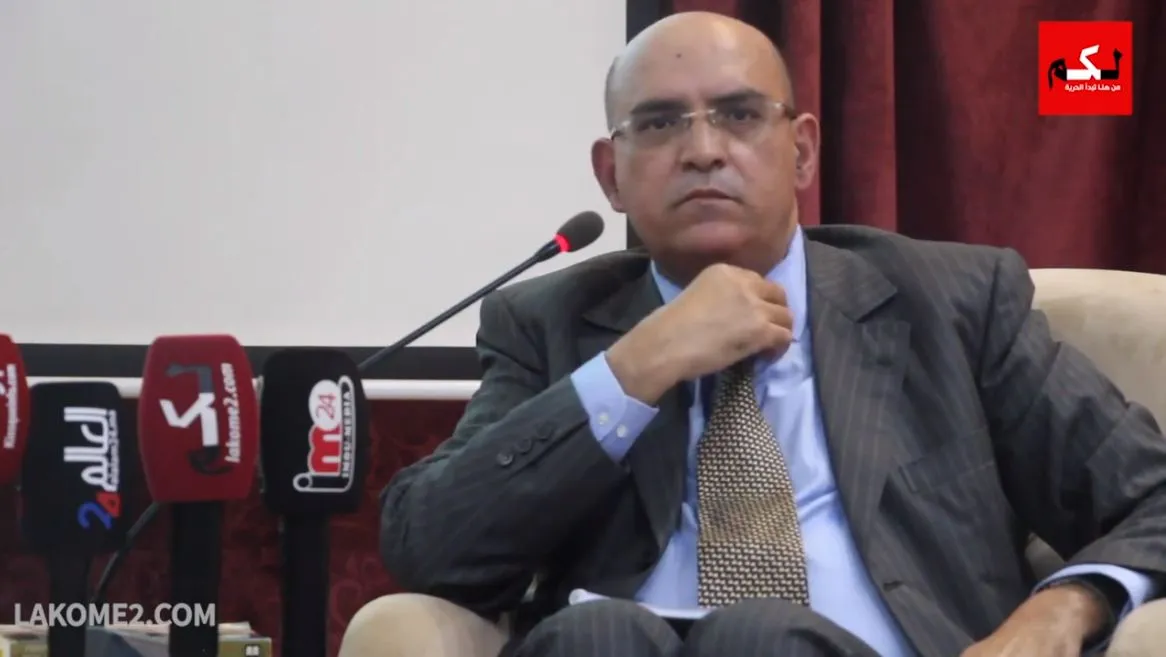
In a significant revelation, a high-ranking Moroccan official disclosed to the press on Monday night in Rabat that Morocco had previously cautioned Spain regarding the potential migration risks stemming from a recent ruling by the Spanish Supreme Court. This ruling impeded the immediate repatriation of individuals arriving by sea at the Spanish enclave situated in North Africa, known as Ceuta. The official emphasized the importance of these warnings, stating, "We explained to them that this ruling would create a problem for us." Conversations between Moroccan and Spanish authorities reportedly commenced around July 22 and 23, coinciding with the time when the news of the judicial decision began circulating on social media.
The ruling was perceived as sending a clear signal to migrants, effectively communicating, "Come. If you arrive, you will be protected." This message, according to the official, should have been anticipated by the authorities in Ceuta. Furthermore, the official insisted that there was no negligence on the part of Moroccan security forces, arguing that it is overly simplistic to suggest that Morocco should have simply resorted to force to prevent the influx. He remarked, "This demonstrates a complete lack of understanding of this phenomenon," highlighting the challenges faced by law enforcement in managing such a large number of individuals.
Additionally, the official pointed out that it is not solely Morocco's responsibility to manage this migration phenomenon, noting that the cost of migration management for the kingdom is approximately €500 million annually. Despite these challenges, the Moroccan official reaffirmed that Rabat and Madrid have cooperated as reliable partners, emphasizing their ongoing collaboration in addressing migration issues. He concluded by stating, "Today, it is Spain's responsibility to find answers to the challenges posed by this ruling."
Spain's Response and European Reaction
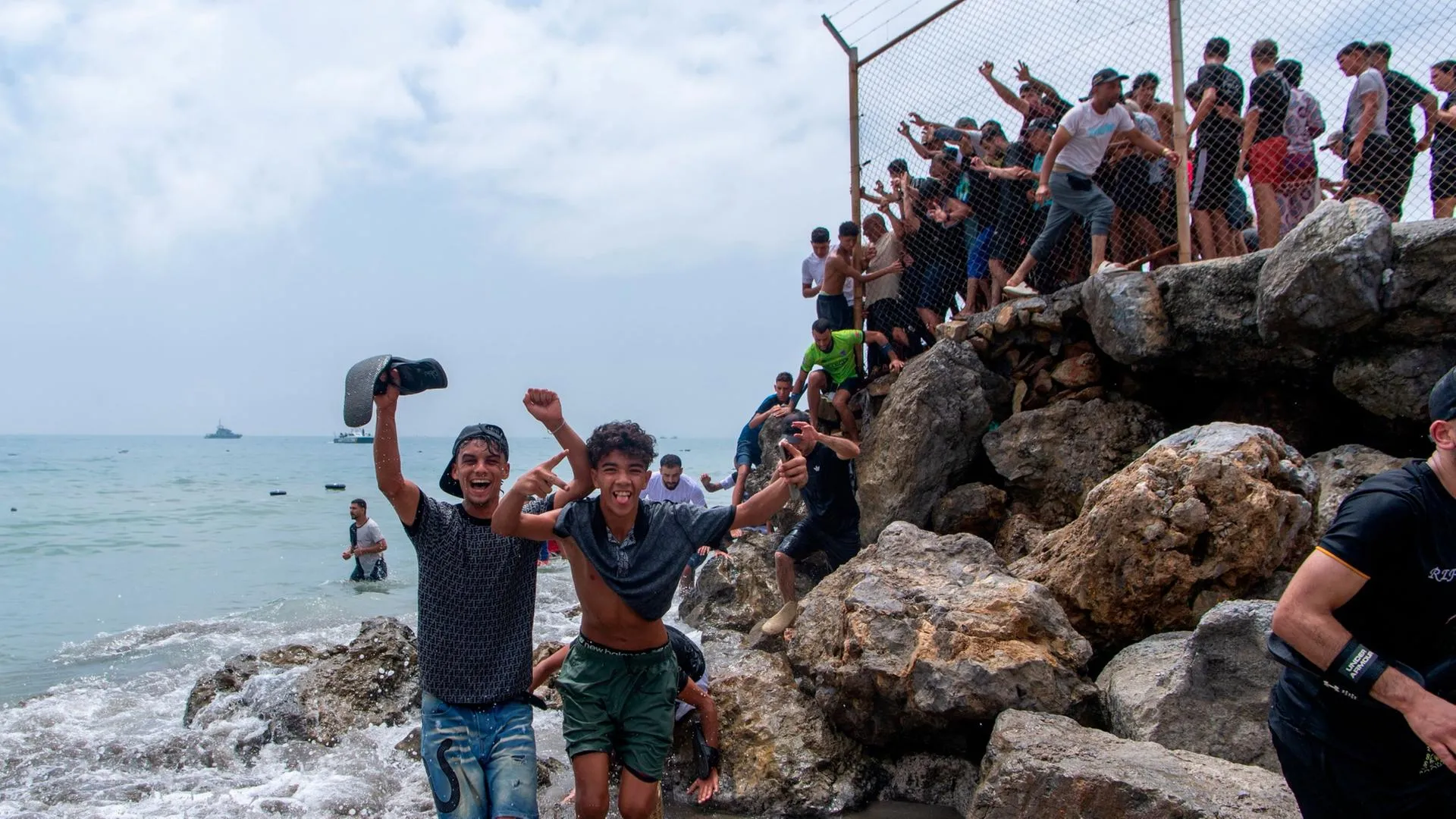
The Spanish government has estimated that around 50,000 migrants entered Ceuta irregularly over the course of a few days, with the mayor of Ceuta, Juan Jesús Vivas, providing even higher estimates. This unprecedented influx quickly overwhelmed the Spanish enclave, leading to the return of thousands back to Morocco. In contrast, Spanish government spokesperson Elma Saiz denied any prior intelligence reports indicating such a large-scale migration crisis was imminent, asserting, "At no point was there any evidence or report alerting us to this magnitude of event that we have experienced." Nevertheless, she acknowledged the collaboration of Moroccan authorities, stating that the swift and exceptional response to the crisis would not have been possible without Rabat's assistance.
Spanish Prime Minister Pedro Sánchez linked the ongoing migration crisis in Ceuta to rumors propagated by human trafficking networks, claiming that these rumors twisted the implications of the judicial decision. The EU leaders have sharply criticized Sánchez's migration policies, and a video of the events in Ceuta has prompted renewed discussions among EU leaders about migration within the 27-nation bloc. Sánchez’s government has dismissed the criticisms as politically motivated, asserting that most migrants were returned to Morocco within hours, closely coordinating with Moroccan authorities and receiving minimal support from other European states.
Amid this turmoil, Spanish Interior Minister Fernando Grande-Marlaska informed his EU counterparts that the provisional death toll from the migration crisis had reached 75 individuals. Reports also indicated that around 70,000 migrants had been expelled from Ceuta in recent days. Following the viral spread of videos depicting the situation in Ceuta, various EU leaders quickly criticized Sánchez, attributing the incident to his government's progressive policies. Italian Prime Minister Giorgia Meloni was particularly vocal, announcing that Italy would implement aerial and maritime border controls with Spain. In response, Sánchez described Meloni's stance as "contrary to European law, humanitarian law, and the principles of solidarity that bind us together," noting that Italy had accepted double the number of migrants that Spain had since 2021. Furthermore, the criticisms were echoed across the EU, with Meloni co-signing a joint letter with 21 other leaders from Finland to Malta, citing a July ruling by a Spanish court as the "trigger" for the "attack on our migration and asylum system." This ruling clarified that migrants arriving by sea could not be summarily deported without due process, unlike those crossing via land or climbing the border fence of Ceuta.
In the aftermath of the crisis, Spanish authorities have reiterated their commitment to managing migration collaboratively, highlighting both the challenges and the need for a coordinated approach among European nations. The situation remains fluid as discussions continue about how to effectively address the complexities of migration in the region.
As reported by lanacion.com.ar.