
The EU's Reaction to Migrant Influx: A Disarrayed Response
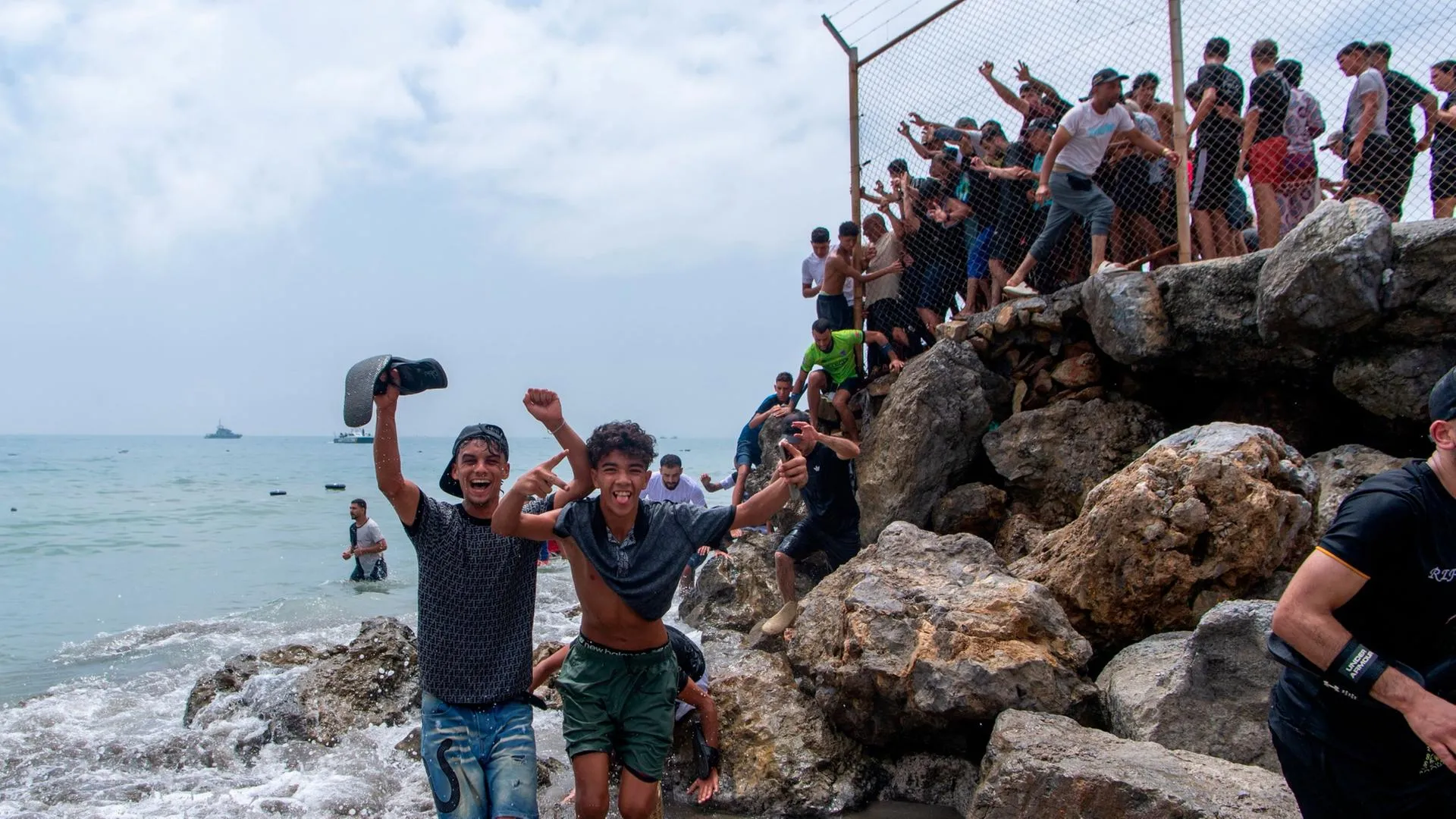
The recent events surrounding the migrant influx in Ceuta have starkly illustrated the fragility of solidarity within the European Union. When faced with mounting pressure, the unity among EU member states quickly disintegrated, resembling a flock of startled chickens in the presence of a fox. As thousands of migrants surged toward Europe, each national leader scrambled in a different direction, leaving behind a cacophony of discord rather than a unified, rational response. This chaotic scene unfolded despite the recent implementation of a new asylum reform intended to streamline the process for migrants seeking refuge in the EU.
The theoretical framework of this new asylum system stipulates that when a young man from Morocco sets foot on EU soil, his personal data is recorded, and his health and living conditions are assessed. Based on these evaluations, a determination is made regarding his eligibility for asylum. If he does not qualify, he is directed to an intake center, where his future is decided within a matter of weeks. If the verdict is unfavorable, he is returned to his country of origin. However, this framework crumbled over the weekend when the anticipated arrival of 500 migrants escalated to an overwhelming 50,000. Many of these individuals are not even seeking asylum but are simply in search of better living conditions. This reality exposed the EU's unpreparedness for such a massive and spontaneous influx, marking a critical lesson learned from the situation in Ceuta.
Understanding the Underlying Causes of Migration
Moreover, the second lesson to emerge from this crisis is the sheer surprise experienced by the 27 EU member states regarding the situation. The young migrants did not spontaneously jump into the sea; the surge had been brewing for some time, primarily fueled by social media. Moving forward, it is imperative that the EU monitors such developments, potentially utilizing intelligence agencies to gain insights into activities at its borders. The EU must enhance its awareness of what transpires at its periphery, particularly given that illegal migration is often exploited by nations looking to undermine the EU's stability.
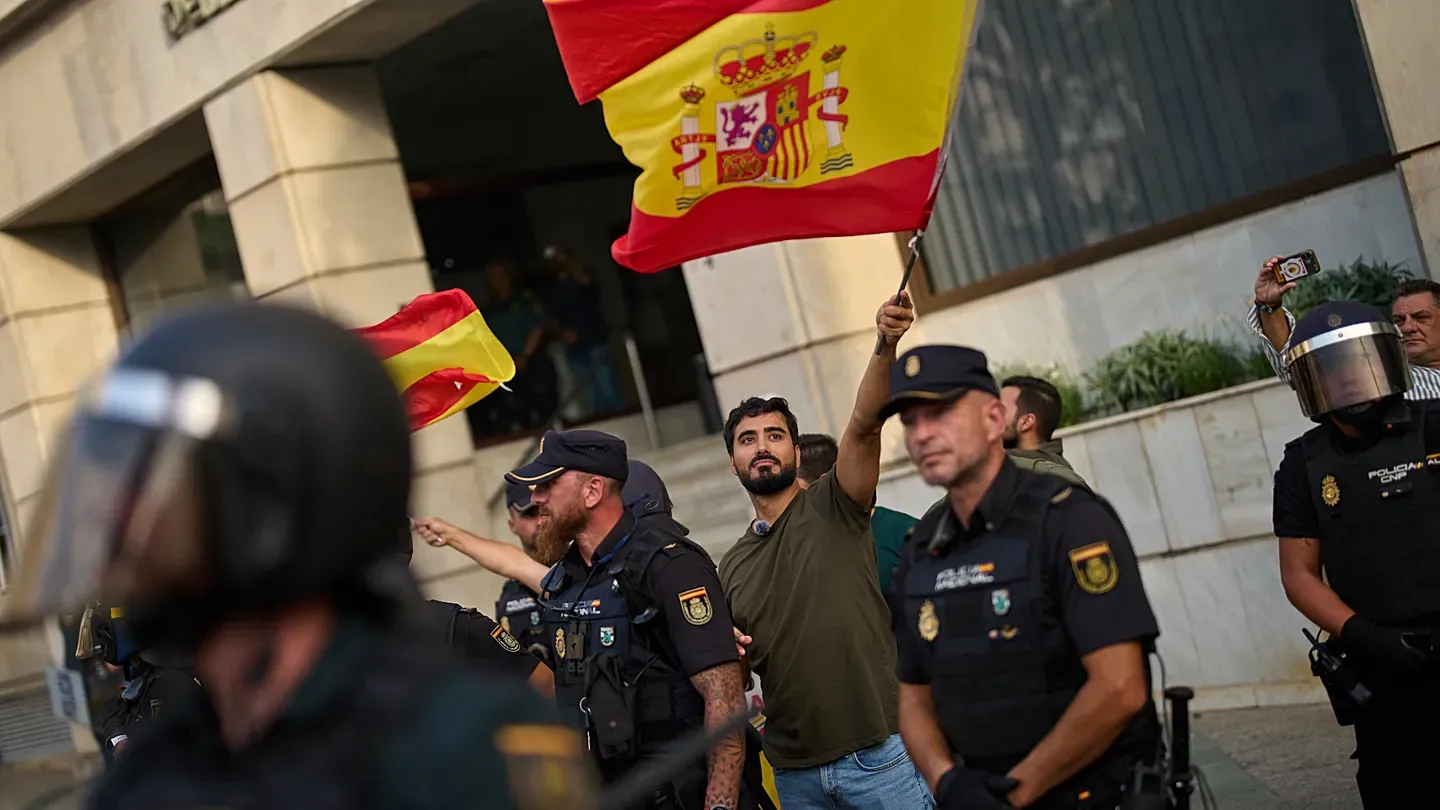
Compounding the issue is the ambiguity surrounding Morocco's role in allowing this uncontrolled migration. The motivations behind this policy remain unclear, but they may relate to the complex geopolitical dynamics with Spain. This leads to the third significant takeaway from Ceuta: the solidarity within the EU is as fragile as an eggshell. Under pressure, this solidarity tends to fracture easily. Instead of supporting Spanish Prime Minister Pedro Sánchez, many EU leaders chose to criticize him. While Sánchez may adopt policies that differ from those of neighboring leaders, such as the right-wing Georgia Meloni, Spain's decision to issue work visas to migrants in sectors where labor is urgently needed can be viewed through two lenses: either as an unintended incentive for migration or as astute economic policy. Regardless, Spain's economic standing is currently more robust compared to several other EU nations, including Germany.
The weekend's events did not shine a favorable light on Europe. While solidarity is often readily extended in the face of natural disasters like wildfires, it seems to wane when confronted with the complex issue of migration. Those intent on destabilizing the European community have been given a clear signal about how quickly the EU can lose its composure. Today in Brussels, EU Commissioner Markus Brunner characterized the incident as a test—and it’s evident that the EU did not pass.
As reported by tagesschau.de.