
EU Solidarity and International Scrutiny
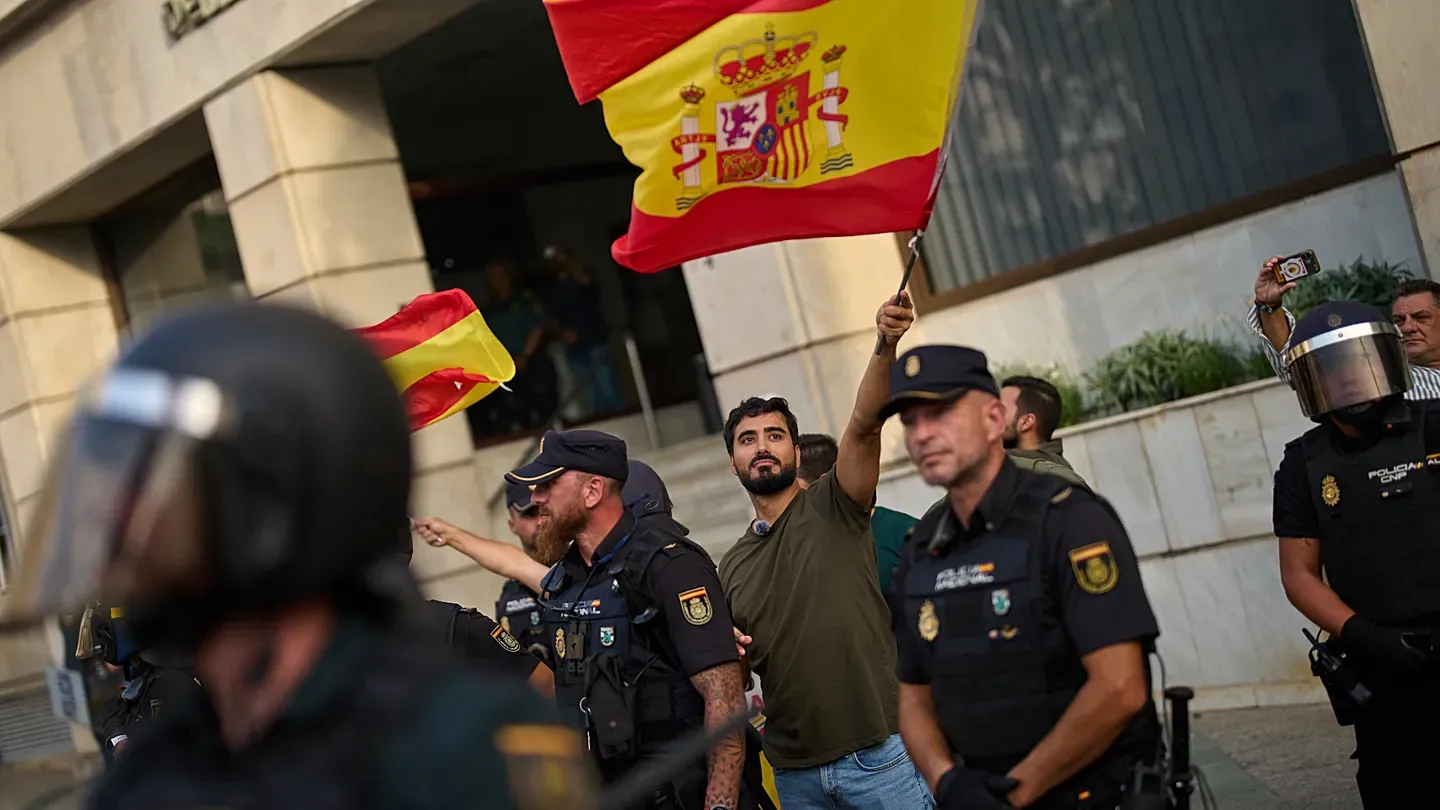
The EU Interior Ministers have expressed strong support for Spain as European intelligence agencies investigate Morocco's possible involvement in the recent surge of irregular migrants heading towards the Spanish enclave of Ceuta. This display of solidarity comes in the wake of a large influx of migrants that occurred last Friday and Saturday, which has prompted tensions among EU member states, particularly as conservative-populist Italy and the European People’s Party (EPP) aimed critical remarks at the Spanish government before the ministers could convene for an extraordinary meeting to address the situation.
Italian Foreign Minister Antonio Tajani, in an interview with "Corriere della Sera," suggested that Spain had effectively provoked the migrant crisis through its policies aimed at legalizing irregular migrants. He raised concerns about Madrid's migration policies and their implications for freedom of movement within the Schengen Area. Manfred Weber, leader of the EPP in the European Parliament, echoed these sentiments by implicitly accusing Spain of failing to secure its own borders, stating that the EU border protection agency Frontex should be able to take charge if member states are unable to enforce border security. While such political critiques may seem tactically justified, Italy itself stands accused of hypocrisy, having initiated its own program to legalize migrant workers, including those previously residing in the country irregularly, with plans to issue nearly 500,000 work permits between 2026-2028. Furthermore, Frontex reported that the majority of irregular border crossings in the first five months of the year occurred on the central Mediterranean route leading to Italy.
Unclear Accountability and Political Maneuvering
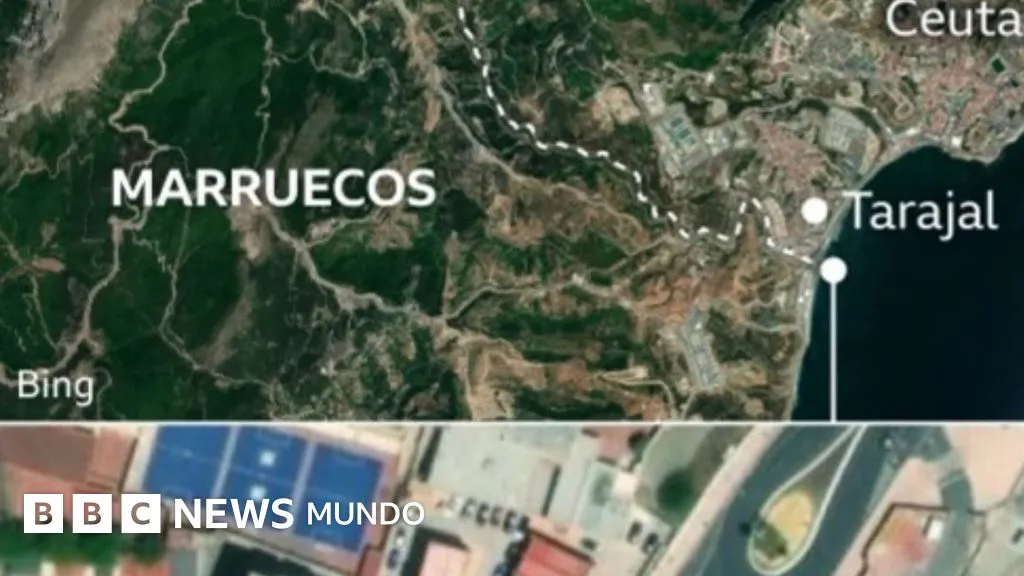
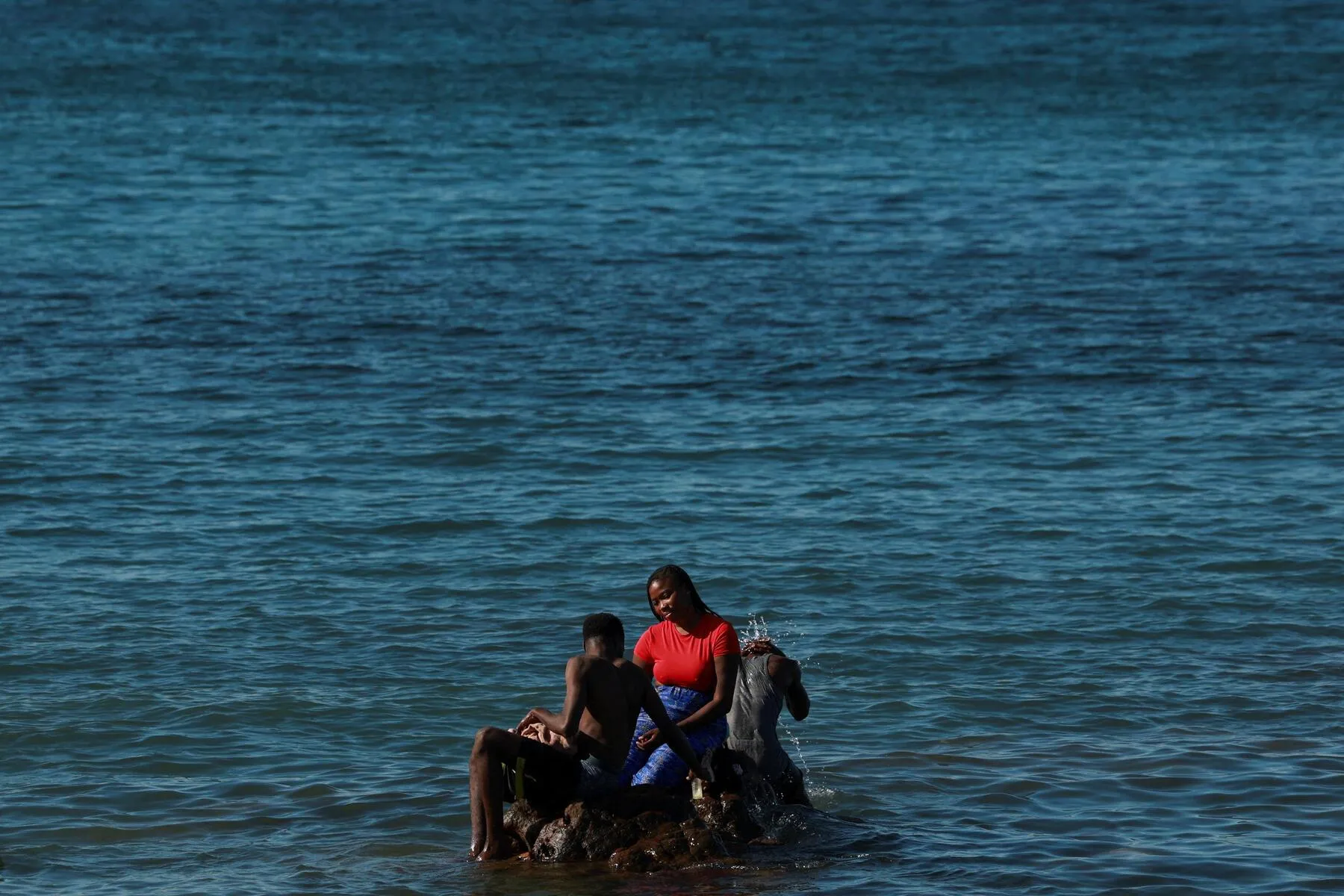
The accountability for the mass arrival of migrants in Ceuta remains murky. As reported by "Die Presse," European intelligence agencies are sharing leads indicating that Moroccan authorities may not only have turned a blind eye to the situation but might have actively facilitated the transport of individuals seeking to reach Ceuta. While there is no official confirmation of this, particularly from the Moroccan government, it raises fundamental questions about the actions of Moroccan police and border officials as tens of thousands of Moroccan nationals swam towards Ceuta.
Juan Jesús Vivas, the regional president of Ceuta, has also voiced similar accusations, stating that the influx was perceived not merely as a migration crisis but essentially as an attack. He noted that the public felt Morocco had either promoted or allowed such actions, recalling an incident in June 2021 when Moroccan authorities had previously relaxed border controls, allowing around 10,000 individuals to enter the enclave. This was largely due to tensions between Morocco and Spain, particularly following Spain's decision to provide medical treatment to a leader of the Western Sahara independence movement.
In Brussels, efforts were made to counteract the anti-Spanish rhetoric. European Commission President Ursula von der Leyen publicly affirmed her support for Spanish Prime Minister Pedro Sánchez and recognized the efforts to protect the EU's external borders in Ceuta. Following this, EU Foreign Ministers convened and expressed their unanimous agreement that Madrid had effectively managed the Ceuta crisis. French Interior Minister Laurent Nuñez stated that his Irish counterpart, Jim O’Callaghan, who chaired the meeting, along with EU Commissioner for Home Affairs Magnus Brunner, pledged full support to Spain for border security, including financial assistance aimed at enhancing border control facilities in Ceuta.
Spanish Interior Minister Fernando Grande-Marlaska characterized the meeting as "constructive" and provided an update on the situation in Ceuta, revealing that 70,000 of the 72,000 counted irregular migrants had since returned to Morocco. However, discussions regarding Morocco's involvement were approached with caution, as officials refrained from making statements during an ongoing investigation.
Meanwhile, Italy attempted to reintroduce its own agenda amidst the Ceuta debate, advocating for the establishment of offshore centers for asylum processing. The recent EU Migration Pact outlines rapid procedures at EU external borders for asylum seekers from countries with low recognition rates, as well as centers in third countries for migrants who receive negative asylum decisions. Italian Interior Minister Matteo Piantedosi expressed support for new hubs for processing asylum applications and facilitating returns to safe third countries. Similarly, the so-called "Group of Implementers," which includes Austria, Germany, the Netherlands, Greece, and Denmark, echoed this sentiment, indicating they are actively working on establishing return centers and asylum procedures in non-European countries, with a decision expected by the end of the year.
As reported by diepresse.com.