The Surge of Migration from Morocco: A Complex Situation
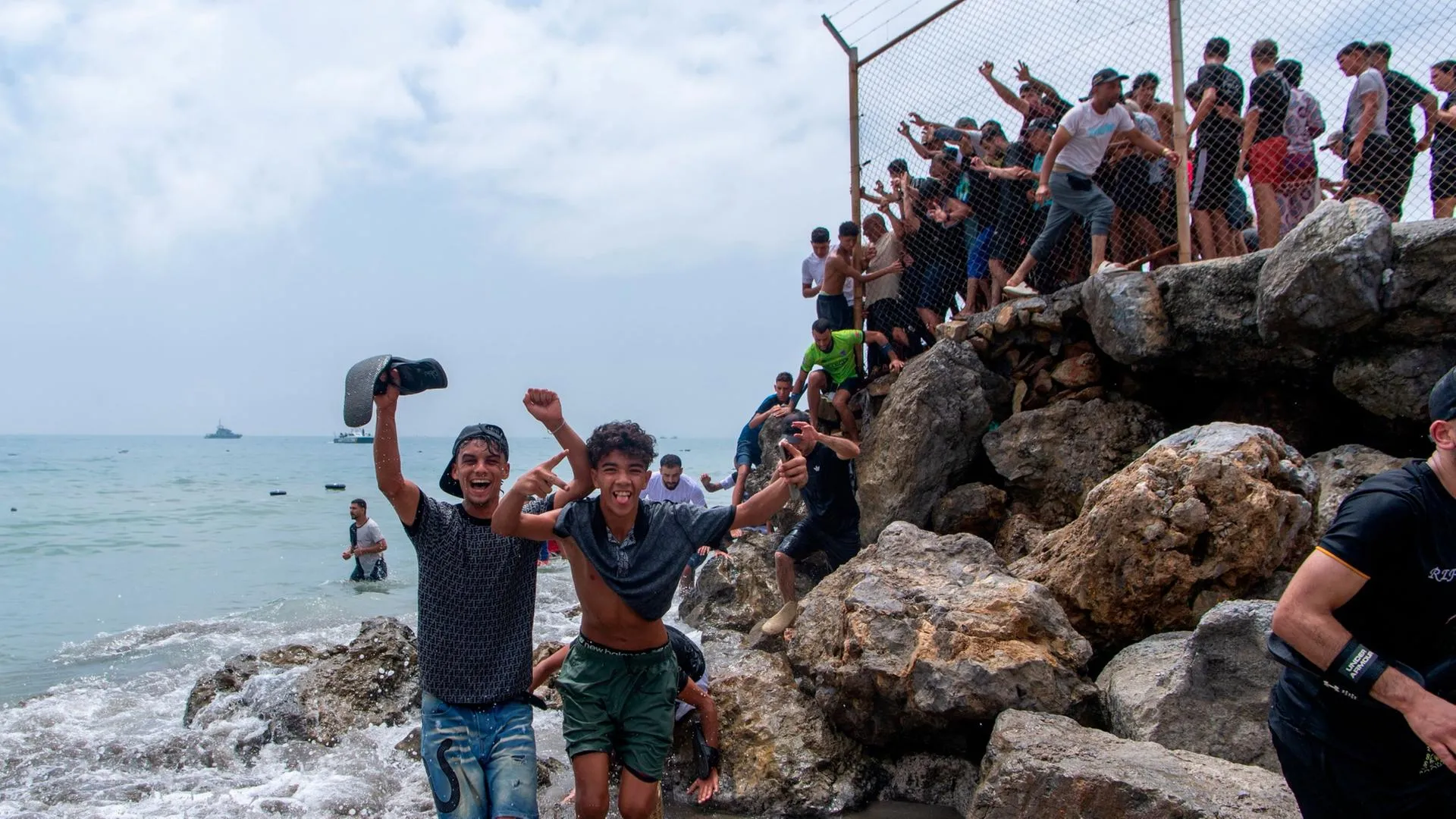
Between July 30 and July 31, 2026, tens of thousands of individuals crossed the border into Ceuta, a Spanish enclave located on the northern coast of Africa. Local authorities reported that as many as 60,000 crossings occurred, while the official Moroccan figures indicated around 40,000. Tragically, the situation led to the deaths of 75 individuals during this mass migration. In response to the crisis, both Rabat and Madrid announced an agreement for repatriation. However, this rapid influx raises an essential question: is this migration crisis a symptom of a more significant geopolitical strategy?
A Historical Claim and Its Contemporary Implications
The Moroccan claim over Ceuta and Melilla is not a new phenomenon. In a Throne Day speech on July 30, 2002, King Mohammed VI called for Spain to end its "occupation" of these cities. This claim was reiterated in September 2022 when the Moroccan government asserted to the UN Human Rights Council that "the Kingdom of Morocco has no land borders with Spain." This statement sparked a strong reaction from Pedro Sánchez, who firmly declared that "Ceuta and Melilla are Spain, period," prompting Morocco's Foreign Ministry to retract its stance almost immediately. In May 2023, the Moroccan Ministry again asserted the cities as "Moroccan," which was a significant shift in rhetoric.
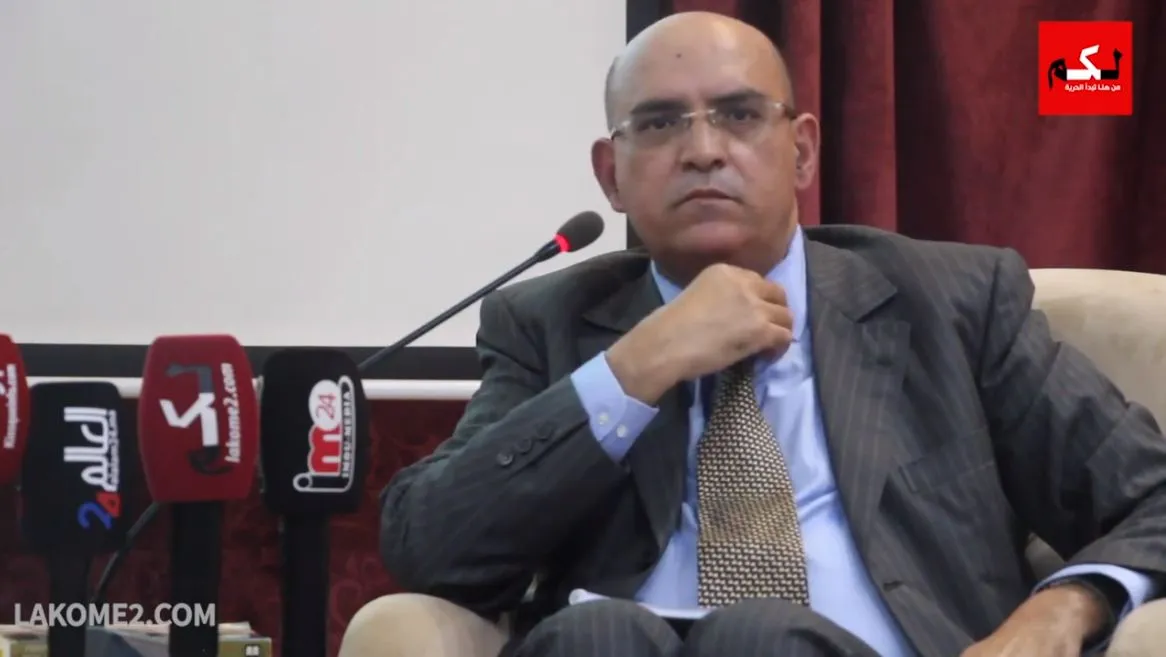
The cautious language used in the Moroccan Interior Ministry's statement on July 31, 2026, during the height of the crisis, attributed the influx to misinformation and smuggling networks, without labeling Ceuta as "occupied." This careful choice of words was noted by Moroccan media as intentional. Just a day prior, academic Mohamed Karraoui suggested that Morocco should pivot its claim into a formal diplomatic initiative, referencing a recent report from the U.S. Congress.
Central to this discussion is a report approved on July 15, 2026, by the U.S. House of Representatives' State Subcommittee, which controversially described Ceuta and Melilla as Moroccan territories under Spanish administration. This subcommittee is chaired by Republican Mario Díaz-Balart, who has previously emphasized that these cities are geographically part of Morocco, accusing Sánchez of prioritizing relations with nations like Iran and Venezuela over the United States.
Díaz-Balart's connections extend to family ties with past lobbyists for Moroccan interests in Washington, raising questions about the influence of such relationships on U.S. policy. Morocco has historically invested significantly in lobbying efforts in the U.S., with reports indicating nearly $20 million spent over the years. Additionally, there has been a push within certain Israeli circles advocating for leveraging the Ceuta and Melilla issue as a means to pressure Spain, reflecting a complex web of international relations involving Morocco, the U.S., and Israel.
As these events unfold, the question remains whether this crisis is a coordinated effort against Sánchez's government or merely a coincidence in timing. The implications of these developments could reshape not only the local political landscape but also the broader geopolitical dynamics involving Spain and Morocco.
As reported by caracol.com.co.