
Ceuta Becomes Europe's Migration Flashpoint
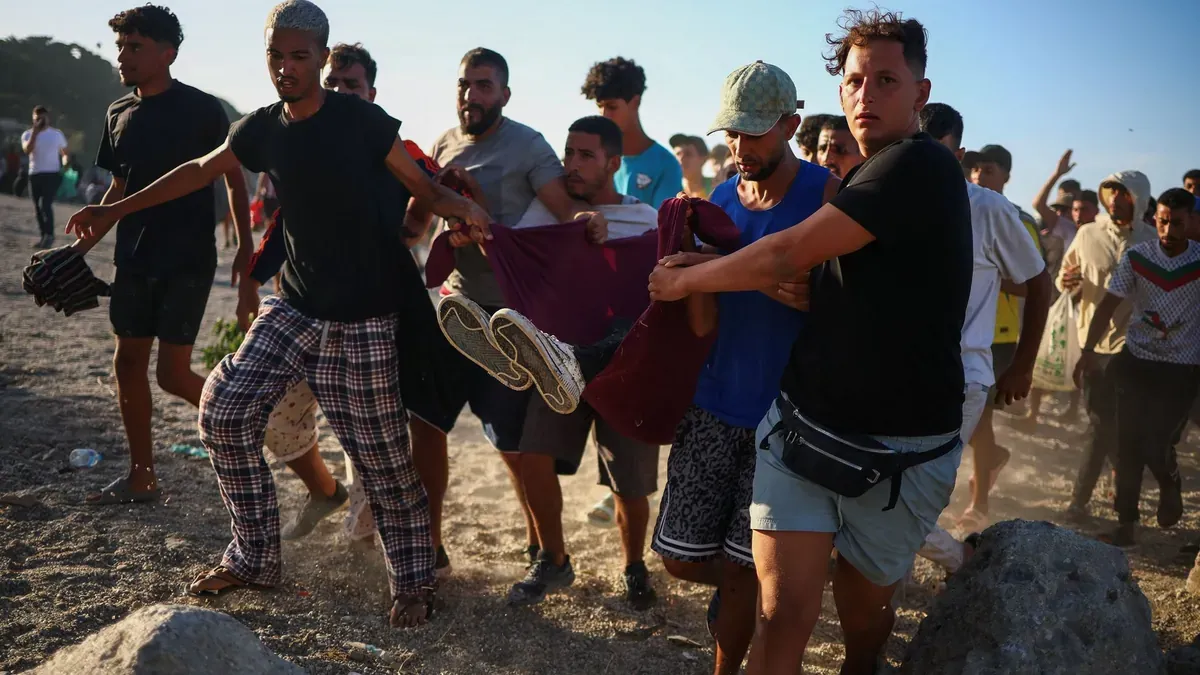
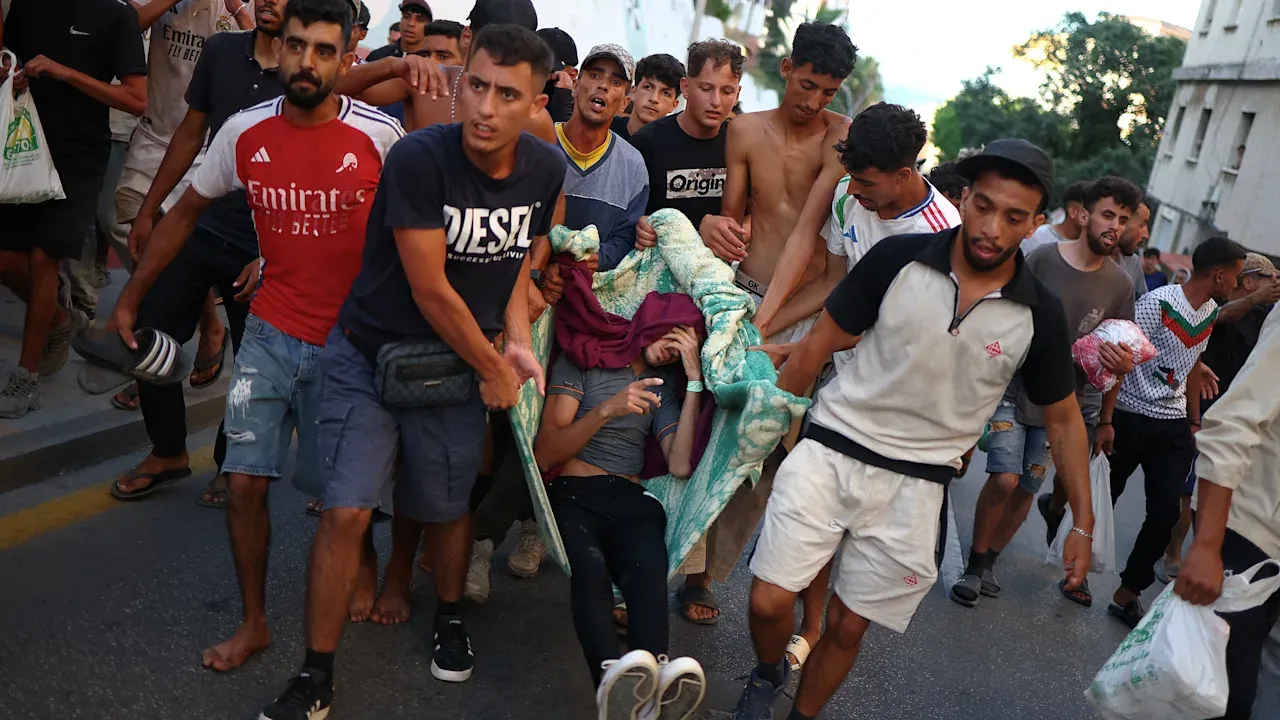
The recent surge of migrants arriving in Ceuta, a Spanish enclave on the North African coast, has turned the region into a significant focal point for migration issues in Europe. Within a matter of days, the situation escalated to a crisis level, prompting swift responses from both Spain and Morocco. German Foreign Minister Johann Wadephul commended the two nations for their rapid crisis management, while simultaneously delivering a clear message: effective migration policies cannot be achieved without cooperation from third countries and robust external borders. This assertion has ignited a broader discussion across Europe, with Wadephul describing the situation as a "stress test" for the continent's immigration framework. Chancellor Friedrich Merz has called for enhanced border protections, while European People's Party leader Manfred Weber has advocated for an upgraded Frontex, the European Border and Coast Guard Agency, which may need to take command in exceptional circumstances—an upgrade fraught with implications for power dynamics within the EU.
As the debate intensified, the mood within European political discourse shifted dramatically. Politicians from various EU member states leveled sharp criticisms at Spain, with Italian Prime Minister Giorgia Meloni even suggesting the expulsion of Spain from the Schengen Area. However, legal experts have dismissed such proposals as politically motivated theater without a basis in EU law. The harsh realities behind this crisis are stark: up to 60,000 migrants have arrived, many by swimming, with at least 67 fatalities reported in attempts to cross from Morocco to Ceuta. This situation has reignited the pressing question of how open Europe can remain when its external borders are becoming increasingly strained.
The Need for Stronger EU Border Policies
In light of the crisis, Foreign Minister Wadephul underscored the necessity for the EU Commission to prioritize the protection of external borders to safeguard the Schengen system, which allows for free movement within the EU. He noted, "The situation in Ceuta over the past few days was an absolute stress test, which we passed. However, it also revealed Europe's vulnerabilities." Wadephul expressed his expectation for the EU Commission to take decisive action in securing these borders, emphasizing that effective migration control requires partnerships with countries outside Europe, particularly Morocco in this instance.
Prior to this, Chancellor Friedrich Merz had already emphasized the need for enhanced protection of the EU's external borders. Manfred Weber further stressed the importance of strengthening Frontex, stating, "We need a strengthened Frontex that can secure our common external border in the future." He raised critical questions about the extent to which Europe can take command at the border in exceptional situations, especially when an EU member state, as in Spain's case, might refuse or be unable to accept help from EU border guards. This debate is particularly pertinent as the EU's interior ministers prepare for an urgent meeting to address the situation, highlighting the ongoing challenges the bloc faces in managing migration effectively.
As the situation continues to evolve, the implications for EU migration policy and border security remain a pressing concern. The Schengen Area, encompassing 29 nations, facilitates travel across borders without passport checks, although the usual freedoms do not apply to Ceuta. The recent influx of migrants has underscored the fragility of Europe's migration framework and the urgent need for comprehensive strategies to address both humanitarian and security challenges.
As reported by zeit.de.