
Morocco's Response to the Migrant Crisis at Ceuta
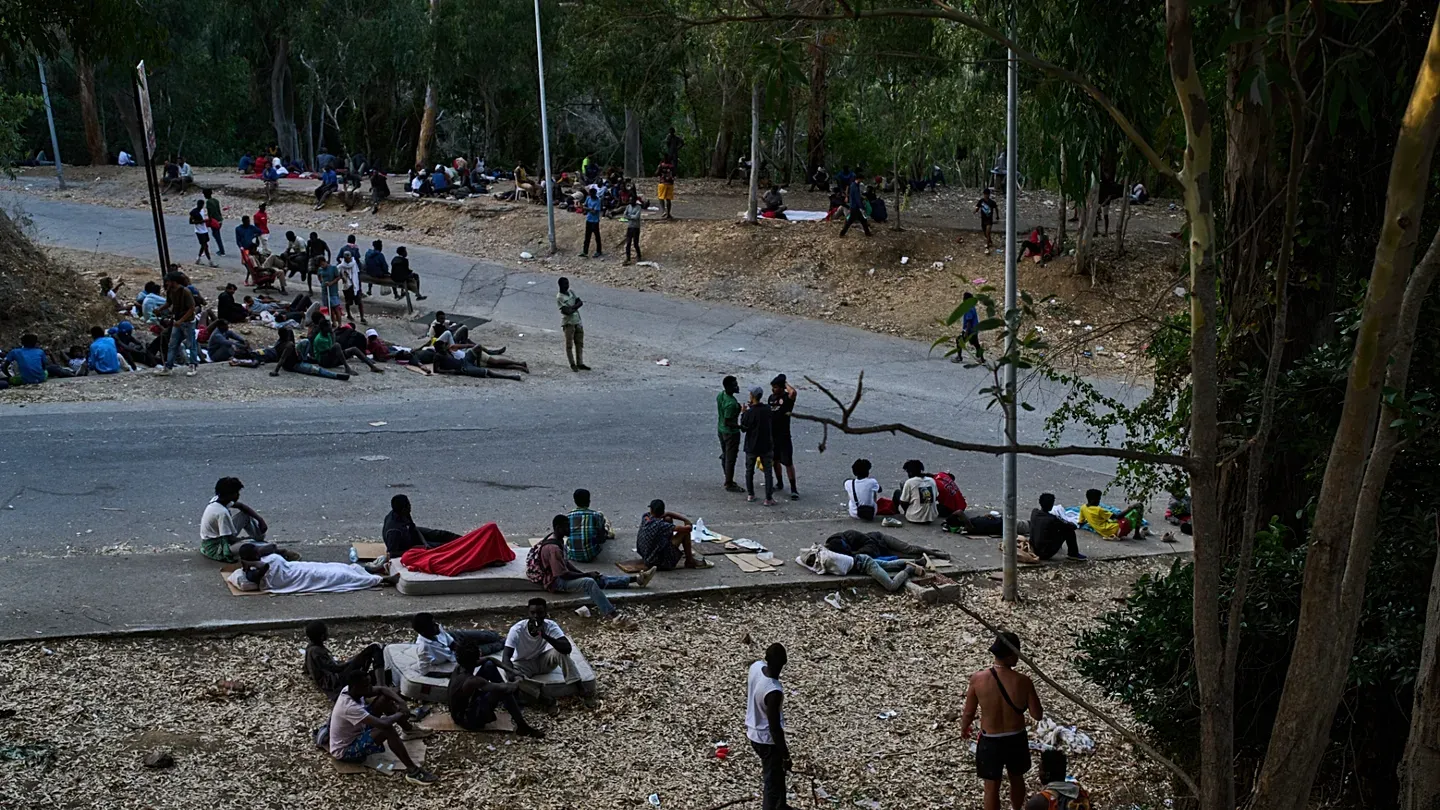
In the wake of a significant influx of migrants attempting to enter the Spanish enclave of Ceuta, the Moroccan government has distanced itself from any responsibility for the situation, attributing the surge to misinformation circulating online. A spokesperson from the Moroccan Ministry of Interior stated that the arrival of migrants was not a coordinated effort, but rather a spontaneous occurrence. The government pointed to the spread of false information on social media, the activities of human traffickers, and a misinterpretation of a Spanish court ruling that limits the deportation of certain migrants as the primary causes of this crisis.
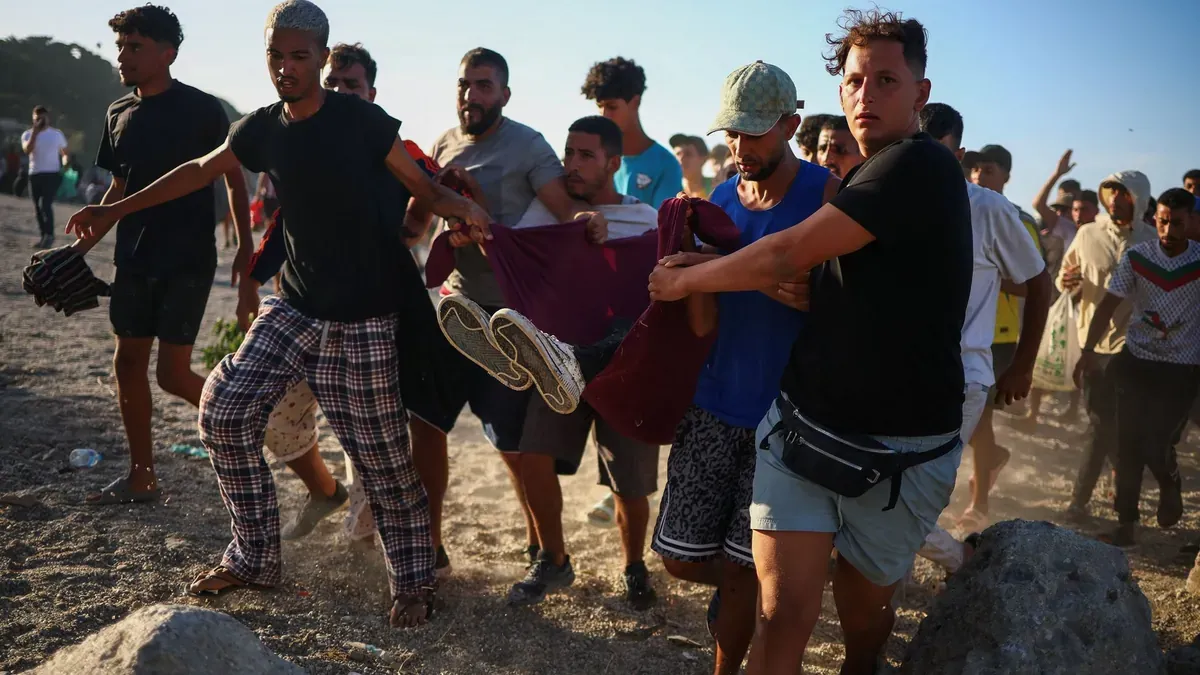
Amid concerns regarding the situation at Ceuta, there have been speculations that the Moroccan authorities might have intentionally allowed or even instigated the mass influx to put pressure on Spain. Several migrants reportedly told Spanish media that they were not only allowed to cross the border but were actively encouraged to do so. Others mentioned discovering the allegedly open border through videos and messages on platforms like TikTok.
Collaboration and Casualties Amidst the Crisis
In its official statements, the Moroccan Ministry of Interior emphasized that it is working in collaboration with Spanish authorities and remains a reliable partner in combating irregular migration. They estimate that approximately 40,000 migrants aimed to reach Ceuta, while around 1,100 attempted to enter Melilla, the other Spanish enclave in North Africa, which is similarly bordered by Morocco and surrounded by the Mediterranean Sea.
Reports regarding the number of casualties vary significantly, with Moroccan authorities stating that eleven people lost their lives, whereas Spanish officials have reported at least 72 deaths, many of which occurred as migrants attempted to swim to Ceuta.
The full circumstances leading to the surge in migration remain unclear. Beyond potential involvement from Moroccan authorities, discussions have also centered around Spain's migration policies, which may have sent misleading signals. Specifically, the legalization of the residency status for irregular migrants already in Spain is believed to have fostered false hopes among newcomers, despite the fact that this measure does not apply to new arrivals.
Furthermore, a recent Spanish court ruling that complicates the rejection of migrants arriving by sea has also been cited as a contributing factor to the current situation. This connection was noted by the Moroccan Ministry of Interior as well.
Interestingly, there is a rare consensus among observers in Spain regarding the unprecedented surge: most agree that it would have been nearly impossible without at least temporary inaction from Moroccan authorities. The border, typically well-guarded, is considered so sensitive and controllable that it is widely believed, as reported by the newspaper "El País," that tens of thousands of people could not have crossed without the approval or cooperation of Moroccan officials. The documented inaction of Moroccan security forces in numerous videos leaves "no doubt" about their role in this event.
As reported by t-online.de.