
Understanding the Crisis in Ceuta
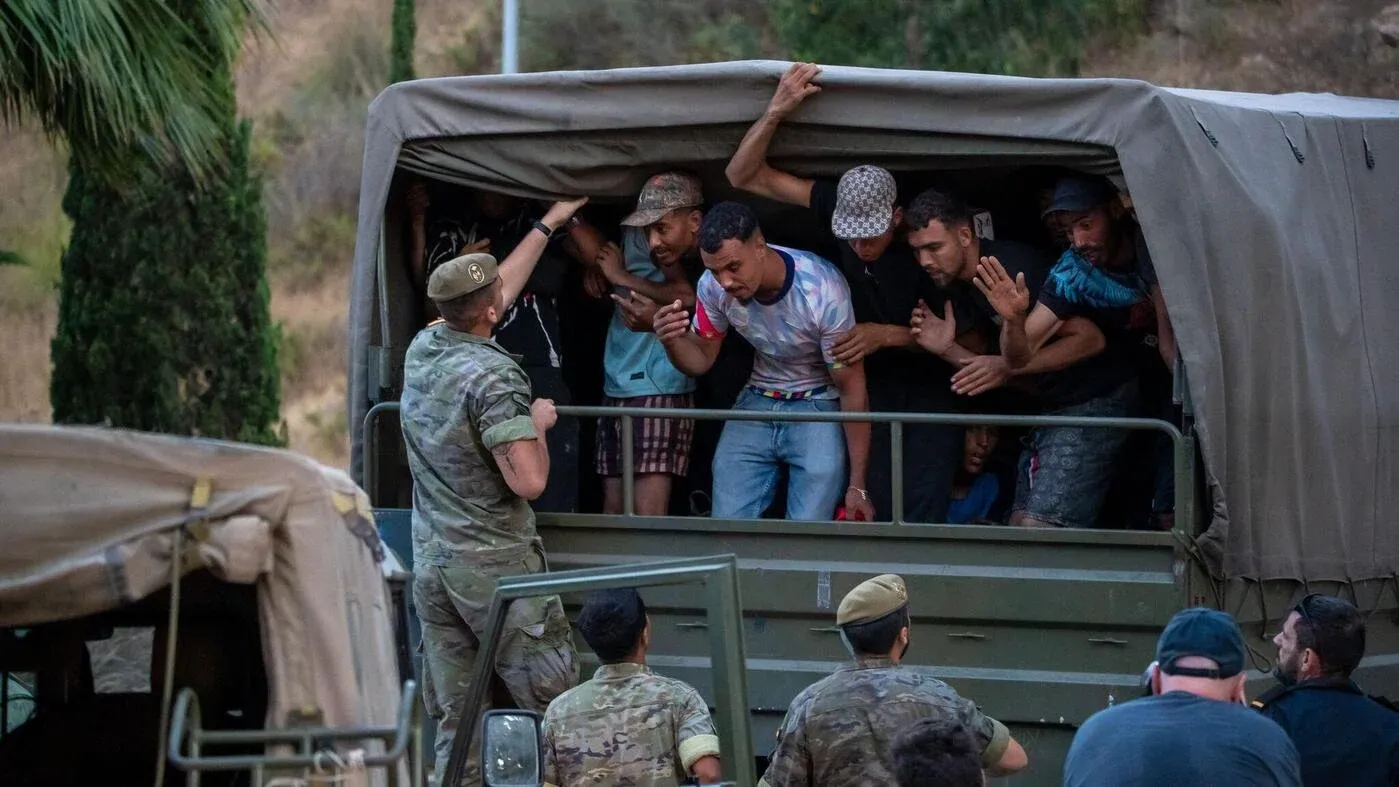
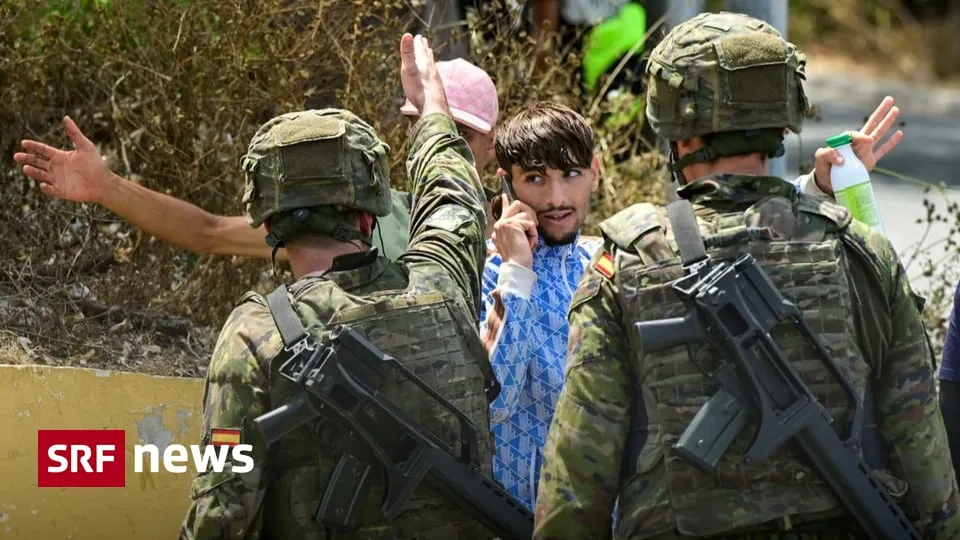
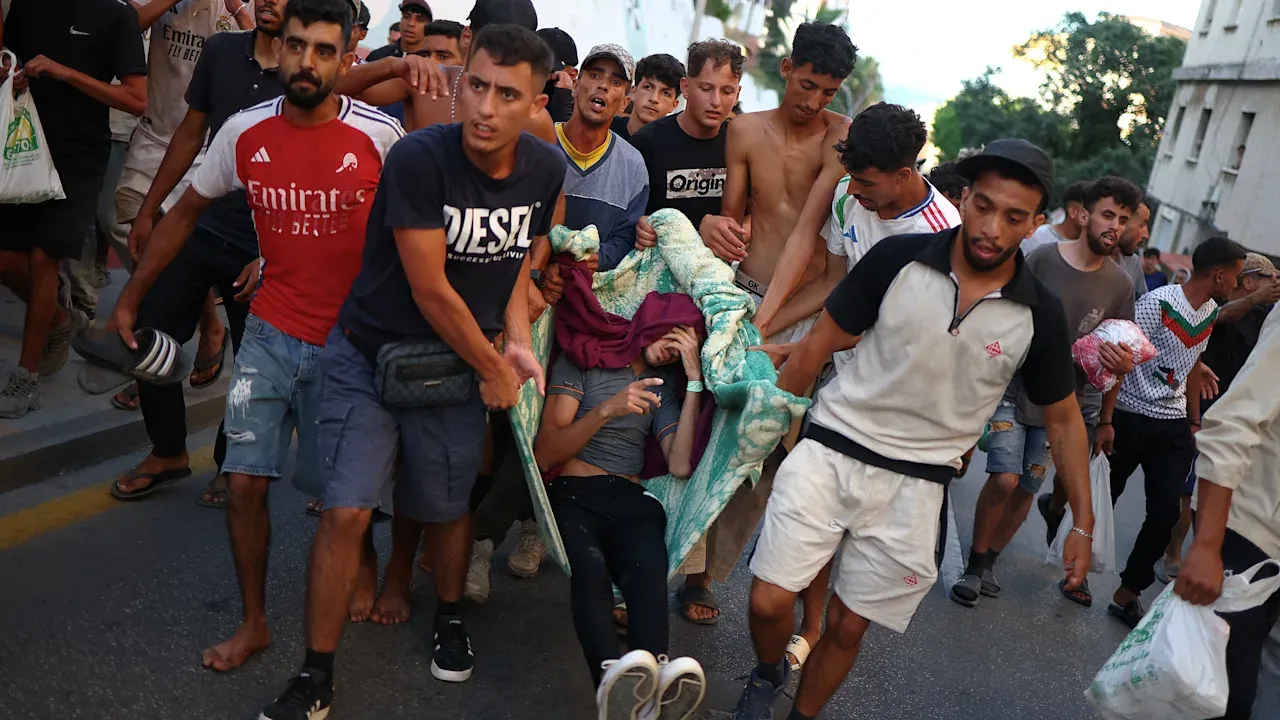
The Spanish enclave of Ceuta is currently grappling with an unprecedented humanitarian crisis, marked by chaos as tens of thousands of migrants surged towards Europe’s borders, resulting in tragic fatalities and numerous injuries. The situation has raised pressing questions regarding the underlying causes of this sudden influx and the factors that led to such turmoil.
The Moroccan Interior Ministry has identified two primary reasons for the overwhelming number of migrants attempting to cross into Ceuta. Firstly, they cited rampant misinformation circulating across social media platforms. According to a spokesperson from the ministry, the surge was not a coordinated effort but rather a spontaneous reaction fueled by misleading videos and reports on platforms like TikTok, which suggested that the border was open for crossings. This has led many migrants to believe they were presented with an immediate opportunity to enter Europe.
Secondly, the ministry pointed to a misinterpretation of a ruling from a Spanish court that stated migrants intercepted at sea could no longer be immediately expelled. This has seemingly contributed to the misunderstanding and subsequent rush towards the border. This explanation from Moroccan authorities aligns with comments made by officials from Spain's Foreign Ministry, which also emphasized a commitment to combatting illegal migration.
Discrepancies and Ongoing Challenges
However, this situation is further complicated by differing accounts between Morocco and Spain regarding the scale of the crisis. Spanish authorities reported that over 50,000 individuals were involved in the attempted crossing, while Moroccan officials provided a lower estimate of around 40,000. The discrepancies extend to casualty figures as well; while Morocco reported eleven deaths, Spanish authorities indicated that the toll was as high as 72. Many of these tragedies occurred as migrants attempted to navigate barriers and climb over border fences, resulting in drownings and fatalities due to overcrowding.
Fortunately, there are signs that the situation in Ceuta is beginning to stabilize. Spain's Foreign Minister, José Manuel Albares, announced via social media that nearly all individuals who had arrived in Ceuta had since returned to Morocco. According to the Spanish Interior Ministry, approximately 2,500 Moroccans remain in Ceuta, alongside hundreds of other migrants who had previously been residing in Morocco and arrived during this crisis.
As reported by bild.de.