
Analyzing the Migrant Surge in Ceuta
The recent influx of Moroccan migrants to Ceuta cannot simply be categorized as a repeat of the 2021 crisis. This observation, voiced by Khalid Mouna, a social mobilization expert and professor at Moulay-Ismaïl University in Meknès, underscores a broader narrative of social inequalities and political stagnation that continue to plague Moroccan society. The situation in Ceuta reflects not merely a migration crisis but also the deep-rooted vulnerabilities that have been largely overlooked, indicating a pressing need for a more nuanced understanding of the socio-economic factors at play.
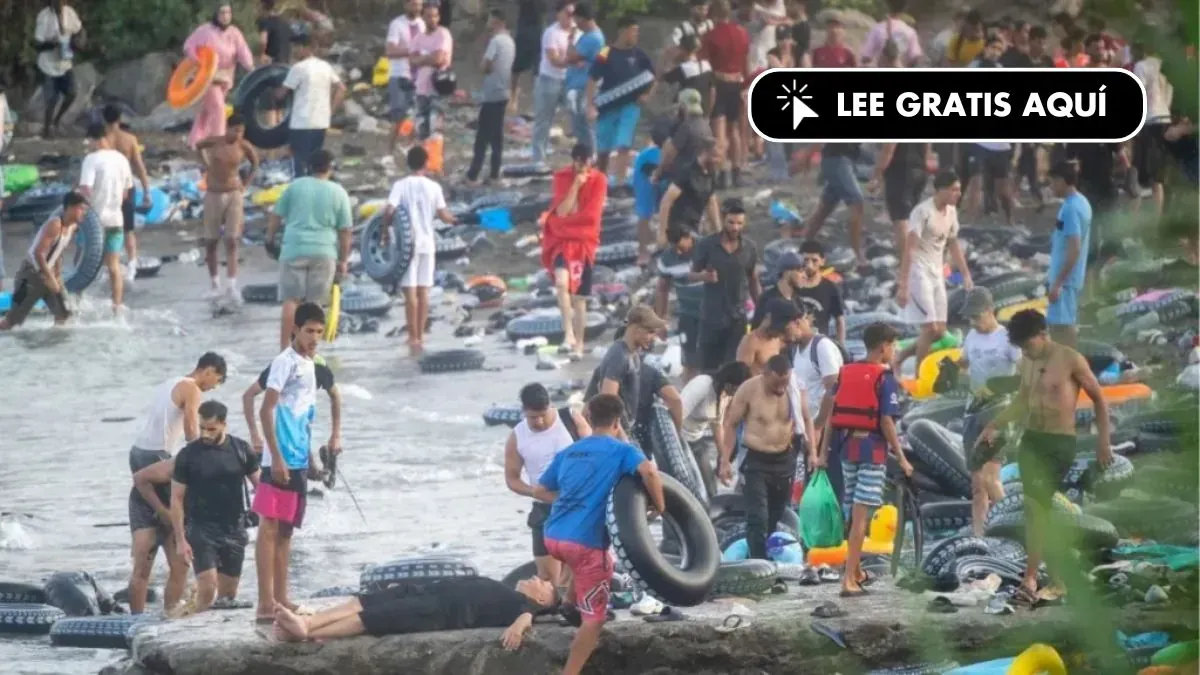
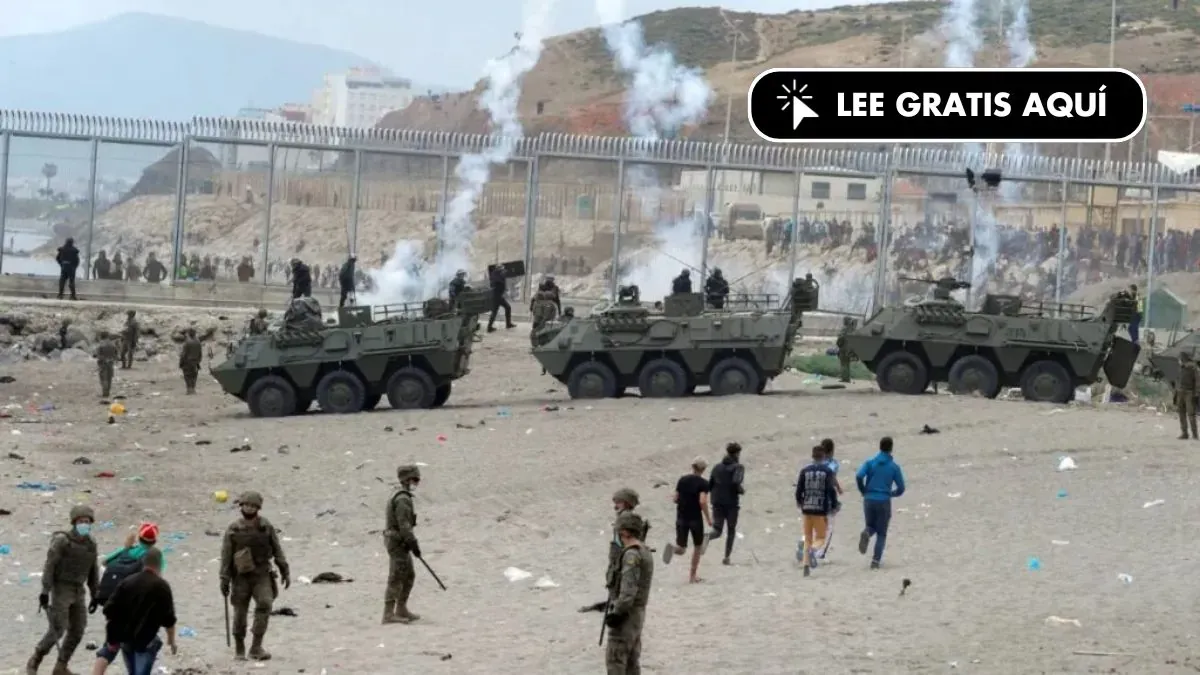
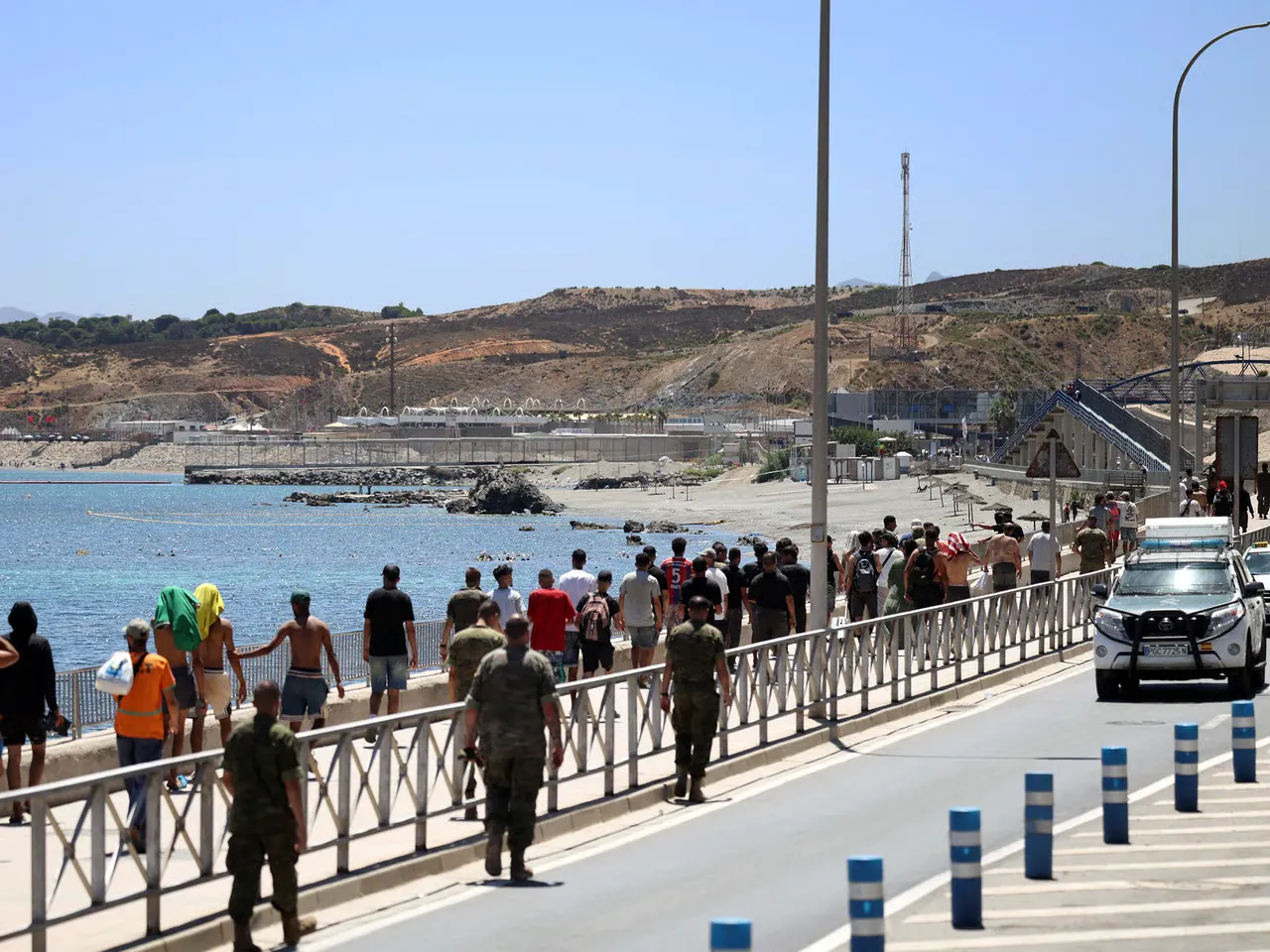
As the Spanish enclave grapples with the arrival of thousands of migrants, the implications extend far beyond immediate humanitarian concerns. The recent developments have reignited discussions about the socio-political landscape in Morocco, highlighting the disparities that fuel such migration trends. Khalid Mouna emphasizes that these events are symptomatic of deeper issues, including economic disparities and societal tensions that have not been adequately addressed. The urgency for reforms in various sectors, including education and healthcare, has become increasingly apparent, as evidenced by public demonstrations demanding change.
In light of these dynamics, the European Union has been called to take decisive action to manage the crisis, which has not only humanitarian implications but also significant diplomatic repercussions. Spain's request for an emergency meeting within the EU reflects the seriousness of the situation, as the bloc grapples with the complexities of migration and border management in a rapidly changing global context.
Overall, the migrant crisis at Ceuta serves as a critical case study for understanding the broader socio-political transformations occurring in Morocco. As the country confronts its challenges, the question remains: who truly benefits from the evolving landscape of Moroccan society? This inquiry invites deeper reflection on the structures and systems that govern the lives of its citizens.
As reported by jeuneafrique.com.