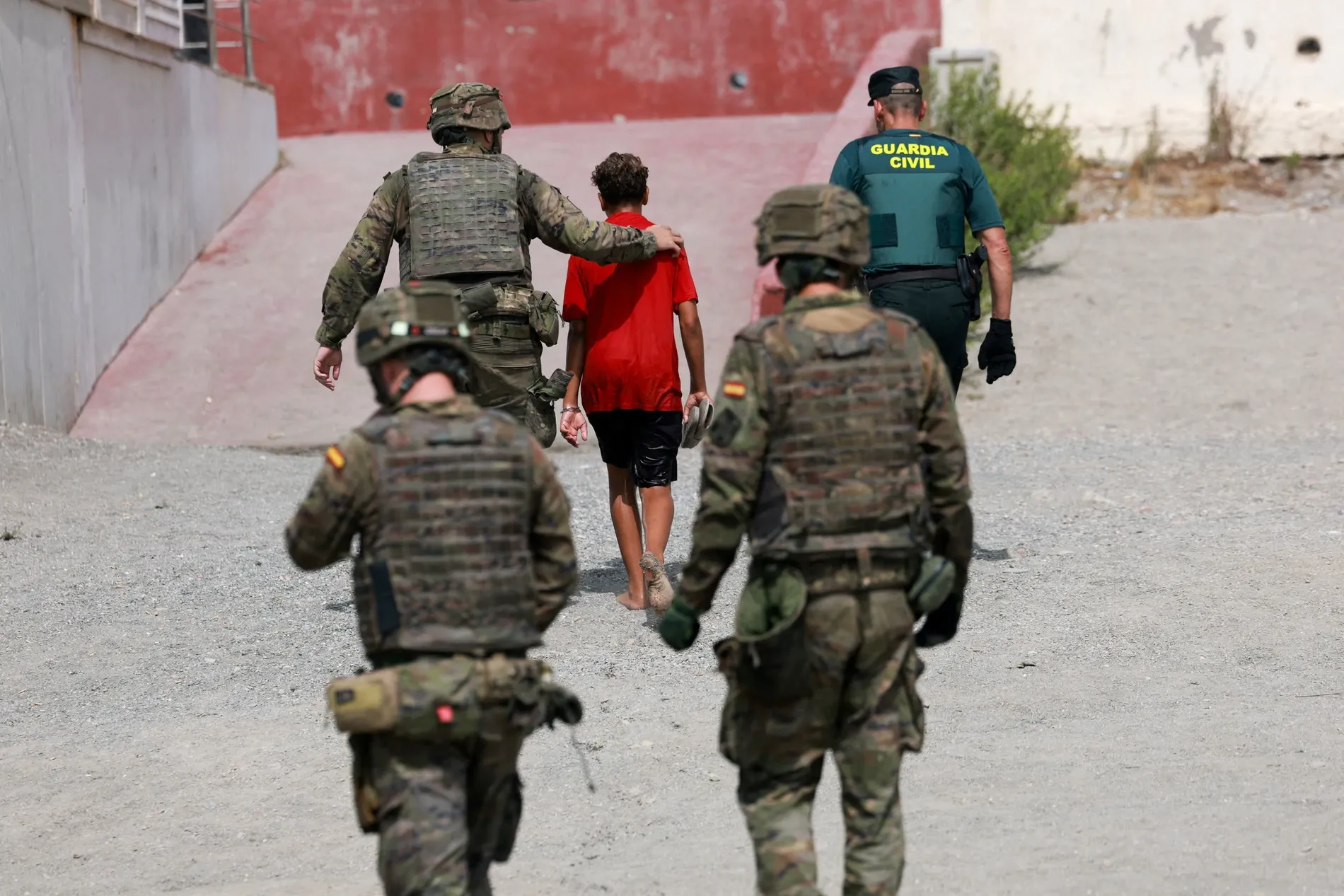

Tragedy Strikes Ceuta as Thousands Attempt to Reach Europe
In the last days of July, a staggering number of individuals—estimated at over 72,000—attempted to cross from Morocco to the Spanish exclave of Ceuta in North Africa. This perilous journey resulted in the tragic loss of over 140 lives, including children and minors, making it a profound humanitarian crisis. The attempts to reach Ceuta were marked by desperation, with many individuals risking their lives to escape dire economic circumstances and hopelessness in their home countries. As the dust settled, it became apparent that for many who managed to reach Ceuta, the hope of a better life was short-lived, as many were compelled to return to Morocco shortly after their arrival.
In the face of this tragedy, European politicians have focused not on the human cost but rather on ramping up border security measures. The ongoing discussions among European leaders have revealed a worrying trend: the prioritization of a hardened stance against immigration over compassion for those fleeing danger. As images of the survivors flooded the media, the narrative shifted quickly from one of empathy to one of exclusion, as politicians sought to reinforce their commitment to border fortification and stricter immigration policies.
Political Fallout and the Deterioration of Human Rights
The response from Europe’s political elite has been swift and united in its insistence on increased border control. High-ranking officials from various countries, including Italy and Germany, have called for stricter laws and the enhancement of border walls, often neglecting the underlying human rights implications of such actions. The rhetoric surrounding the situation has been heavily laden with terms like "hybrid threats" and "instrumentalization of migration," which serve to further legitimize the erosion of asylum rights and the criminalization of the plight of migrants.
As tensions mounted, a letter signed by 22 European leaders emphasized the need to prevent unauthorized crossings and expressed concerns over the potential for illegal entry into the European Union. This communication signals a troubling shift towards viewing migrants as a threat rather than individuals in need of assistance. The recent events in Ceuta have laid bare Europe’s loss of its moral compass regarding human rights, marking a shameful new low in the continent’s approach to migration.
Moreover, the local situation in Ceuta remains dire, with thousands still stranded and in precarious conditions. Reports indicate that between 3,000 and 5,000 individuals, including at least 860 unaccompanied minors, are in urgent need of humanitarian assistance. As these individuals grapple with the aftermath of their harrowing journey, the lack of adequate support and the looming threat of further deportations create an atmosphere of fear and uncertainty.
While politicians engage in debates over enforcement and security, the human element of this crisis is often lost amid the noise. The need for a compassionate, humane response to those fleeing peril is greater than ever, and Europe must reevaluate its approach to migration, prioritizing human dignity over political rhetoric.
As reported by proasyl.de.