
Ceuta Faces a Humanitarian Crisis as Thousands of Minors Arrive from Morocco
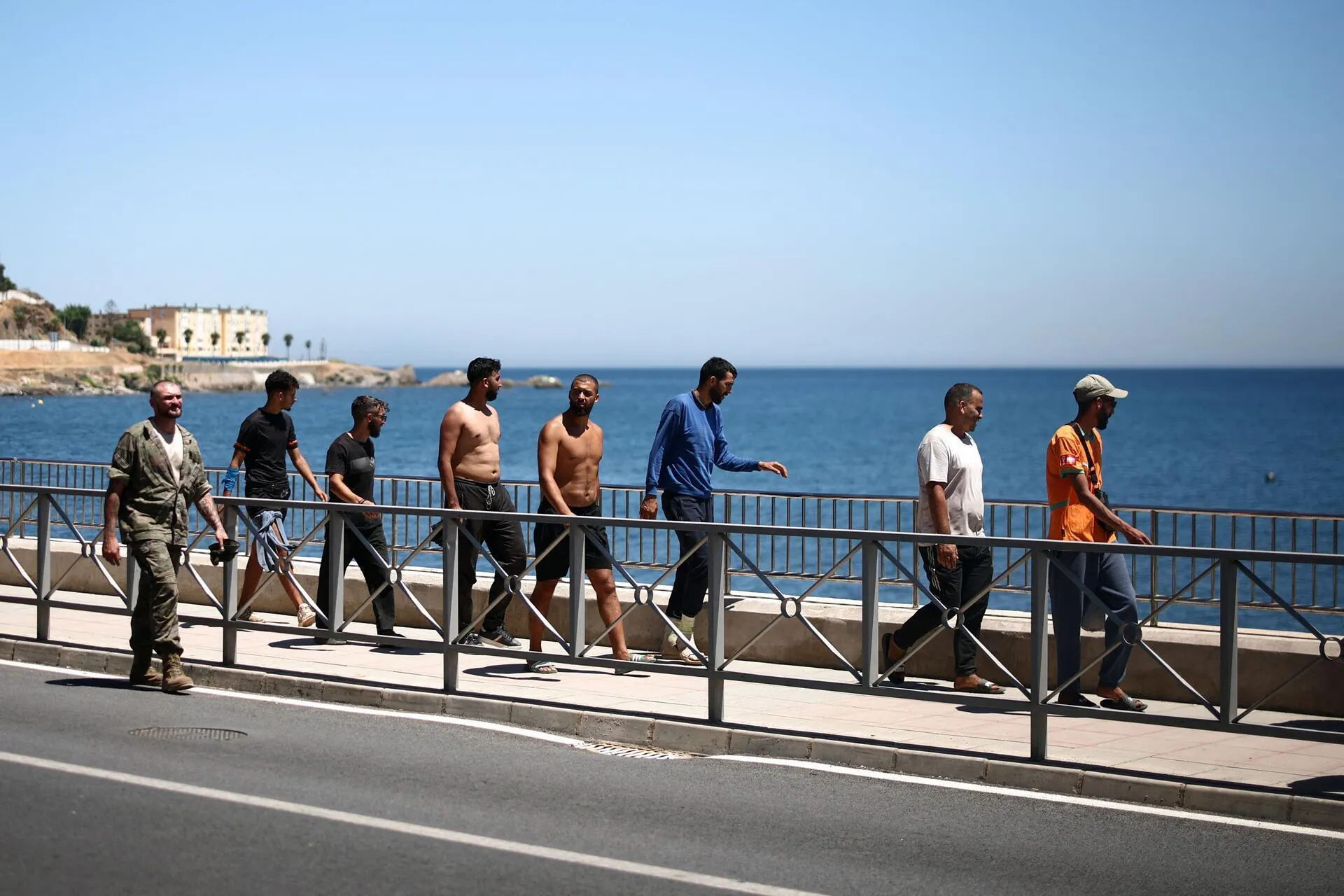
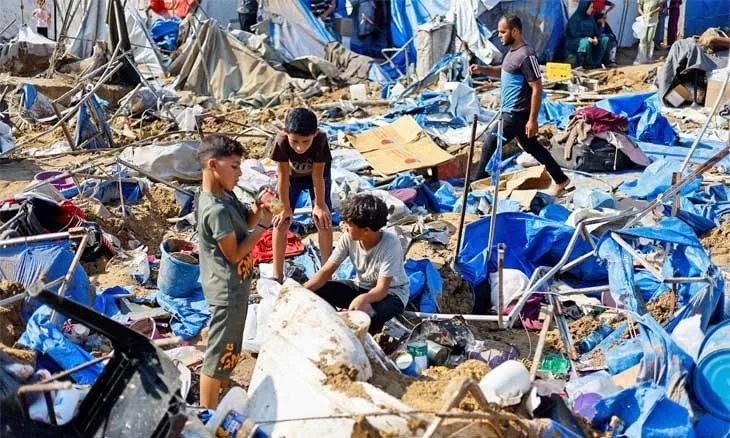
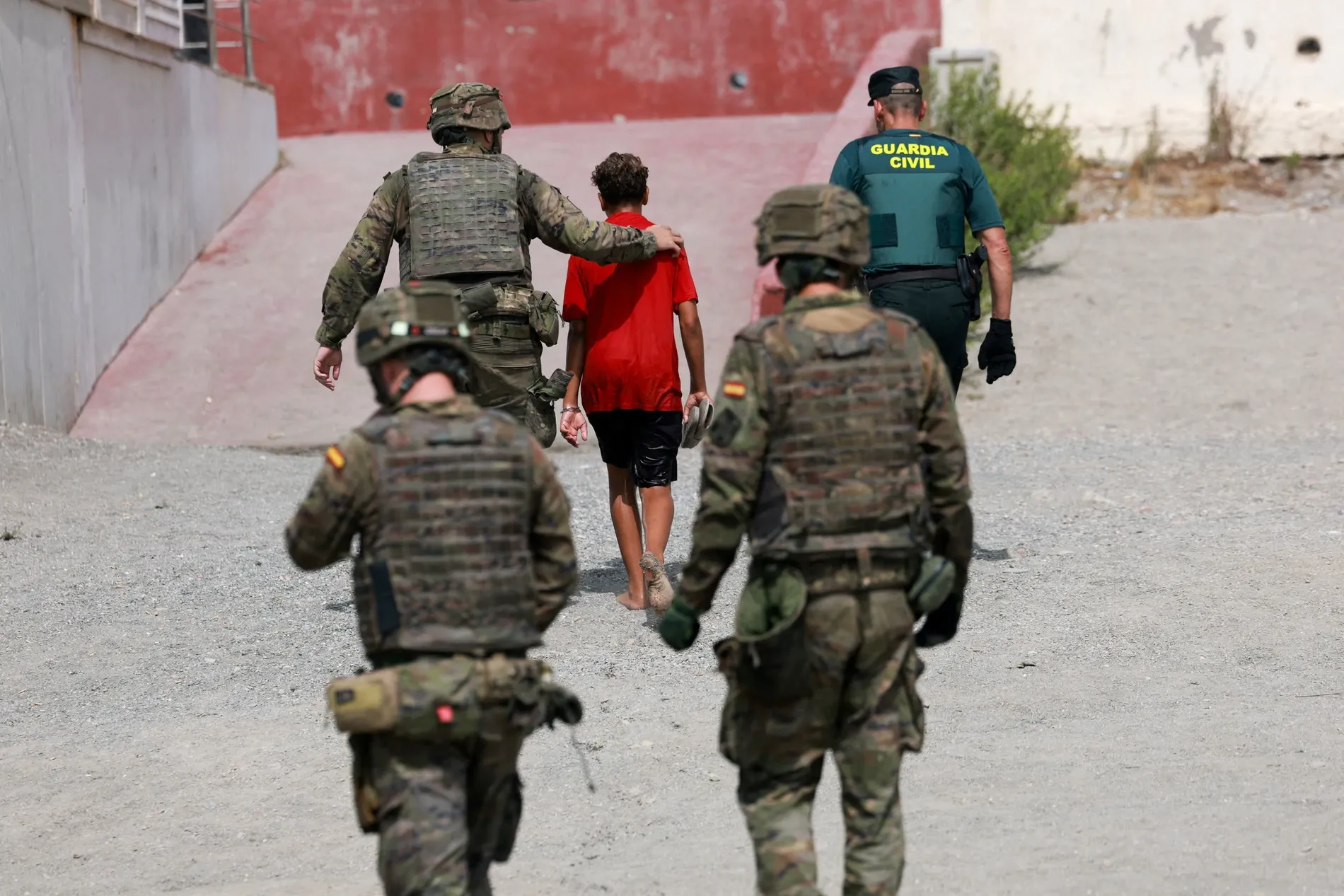
In recent days, Ceuta, a Spanish exclave located on the northern coast of Africa, has witnessed an alarming influx of over a thousand unaccompanied minors from Morocco. This sudden surge has led to a dire humanitarian situation, characterized by a severe shortage of basic necessities such as food and water. Halima Ahmed, a representative from the local NGO "Luna Blanca," emphasized the critical need for sustenance, stating, "What is most lacking are food and water." Each day, her organization prepares up to 5,000 meals to assist the homeless individuals roaming the streets of Ceuta, many of whom have been stranded there for over a week. To cater to the specific needs of women with young children, the NGO has set up a tent near the prominent mosque in the area. Ahmed estimates that between 1,000 and 1,500 children and adolescents have crossed from Morocco, with many still lacking adequate shelter as local authorities scramble to repurpose school facilities for their accommodation.
The situation has prompted urgent appeals for assistance from local authorities. Regional President Juan Jesús Vivas has described the conditions for the approximately 1,100 Moroccan minors as "intolerable," calling for solidarity from the Spanish mainland. On Thursday, he personally briefed King Felipe VI on the escalating crisis affecting the city, which has a population of 84,000. Currently, the designated capacity for unaccompanied minors in Ceuta stands at just 29, highlighting the overwhelming nature of this emergency.
Political Tensions and Challenges in Addressing the Migrant Crisis
In response to the growing crisis, the Spanish left-wing minority government has pledged €25 million to support the children and adolescents, with plans to expedite their relocation to the mainland, which is only 14 kilometers away across the Strait of Gibraltar. However, political complications are imminent, particularly given the recent coalition between the conservative Popular Party (PP) and the far-right Vox Party in Andalusia, which lies directly across from Ceuta. Vox has made it a condition of their coalition that no additional minors will be received in their region, despite a decree from the central government mandating the redistribution of unaccompanied minors, set to take effect in 2025. This stipulation is echoed in various coalition agreements across other Spanish regions where the PP and Vox govern together.
The political discord surrounding the fate of these minors is not new; in the summer of 2024, tensions flared between the regional governments over the handling of unaccompanied minors, known colloquially as "Menas" in Spain. The PP leadership in Madrid has reiterated their commitment to comply with the law, even as they express skepticism regarding the redistribution mechanism. Should the PP choose to deviate from this stance, they risk isolating their party leader in Ceuta.
While the Spanish government calls for solidarity from the European Union in addressing the refugee crisis, the internal response has been far less unified. For instance, Isabel Díaz Ayuso, the PP’s regional president in Madrid, has refused to accept more minors into her jurisdiction, despite Madrid being the most economically robust region in Spain.
The newly proposed redistribution mechanism has been a point of contention, as the PP views it as potentially disadvantageous to their regions. Until recently, regional governments were solely responsible for the unaccompanied minors arriving in their territories. Adult migrants typically face swift relocation to the mainland, where they are often left to fend for themselves shortly after arrival.
However, many minors have found themselves caught in limbo in the Canary Islands and Ceuta, with numbers reaching as high as 6,000 at various points. In 2023 and 2024, a surge in migration brought tens of thousands to the Spanish Atlantic islands, overwhelming regional authorities tasked with caring for over 5,000 unaccompanied minors, despite facilities only being equipped to accommodate around 700 individuals. Although the current number of minors has decreased to approximately 2,700, it still exceeds the legally mandated capacity for care.
As the situation continues to evolve, the implementation of the new redistribution process is expected to take time. Reports indicate that only around 1,700 unaccompanied minors were successfully relocated to the Spanish mainland last year. Ceuta has faced similar crises in the past, with residents recalling the events of May 17, 2021, when Moroccan border police abruptly ceased operations, allowing thousands, including children, to cross into Ceuta. During that incident, over 8,000 Moroccans surged across the border, many of whom included unaccompanied minors.
Even during quieter periods, minors continue to arrive from Morocco, often finding themselves homeless at first and living on the streets or near supermarkets by the harbor. Some resort to desperate measures, attempting to hide beneath trucks in hopes of being smuggled across the Strait of Gibraltar. The local authorities have increased the height of harbor fences and installed surveillance systems to curb these dangerous attempts. Reports have emerged of minors scavenging through waste destined for incineration in Spain, while others have attempted to climb the ropes of ships, with many failing to reach their destination. In cases where family members cannot be identified in Morocco, these children may find their final resting place in unmarked graves at the Muslim cemetery beneath the grand mosque.
As the longest-serving leader of Ceuta, Juan Jesús Vivas now faces the challenge of managing Spain's most significant migration crisis, with reports indicating that 50,000 individuals have entered the exclave since Thursday morning, many by swimming. The potential catalyst for this influx may be a recent ruling from the Supreme Court, further complicating the already intricate dynamics of Spain's migration policy. In light of mounting criticism regarding its handling of migration, the Spanish government finds itself defending its actions in Ceuta before its European partners.
As reported by faz.net.