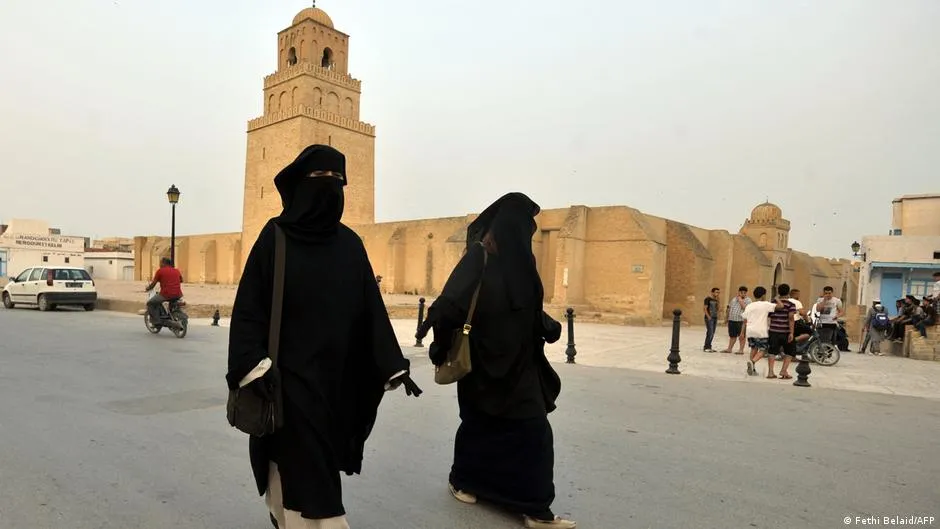
Sharia Inheritance Laws and Their Impact on Women
In the Middle East, Sharia-based inheritance laws continue to pose significant challenges for millions of women, particularly in countries like Morocco. The story of Meryem, a 60-year-old widow, highlights the emotional and financial turmoil faced by women after the death of their husbands. In an interview with Moroccan magazine Egalite Mag, Meryem shared her harrowing experience of feeling isolated and vulnerable, as she had to confront her late husband's family, who viewed her as an adversary despite their shared life of 30 years. Although her husband had tried to secure her future by purchasing an apartment in her name, his relatives contested her ownership after his death, citing the taasib rule, which asserts that male relatives inherit significant portions of an estate when a deceased man leaves behind daughters but no sons. Fortunately, a Moroccan court ultimately ruled in Meryem's favor, affirming her ownership of the apartment, which she now rents out for modest income. However, the situation remains dire, as many other assets are still entangled in inheritance disputes.
Challenges and Opportunities for Reform
Experts emphasize that the plight of widows like Meryem is not an isolated case; many women are forced to leave their marital homes upon their husband's death due to inheritance disputes. Dörthe Engelcke from the Max Planck Institute for Foreign and International Private Law notes that permitting widows to remain in their marital homes would signify a monumental shift towards social stability for surviving wives. Despite some advancements in women's rights regarding domestic violence protection and family law across the Middle East and North Africa, inheritance reform remains a deeply contentious issue. Currently, sons receive double the inheritance share of daughters based on the traditional belief that men are responsible for financially supporting families. However, this perspective does not align with the evolving social realities, as many women are denied their rightful inheritance while simultaneously lacking support from male relatives.
Resistance to reform is often rooted in the fear that equal inheritance rights for women may lead to assets passing outside the family through marriage. Moreover, the perceived instability of many Arab regimes has caused rulers to forge alliances with conservative factions, resulting in slow progress toward legal reform. Amel Hammami, a Tunisian law expert, argues that while religious rules governing personal relations, such as inheritance, are often regarded as immutable, modifying these laws is entirely consistent with the principles of justice and human rights espoused by Islam. In recent years, several countries, including Saudi Arabia and Tunisia, have made strides in expanding women's legal autonomy, with various reforms addressing family law and inheritance issues. In Morocco, women's rights activists are advocating for changes to the family code, which could potentially safeguard the marital home from division after a spouse's death.
Amidst these ongoing discussions, there is hope for continued pressure for reform. Younger generations are increasingly educated and organized, demanding legal changes and greater equality. However, meaningful reform will require more than just advocacy from women's rights groups; it will necessitate building broader social support and reshaping public perceptions of justice and gender relations. As Elham Manea succinctly puts it, the question is no longer why women should receive equal inheritance rights, but rather, why they shouldn't.
As reported by dw.com.