
Migrant Groups in Ceuta: A Complex Situation
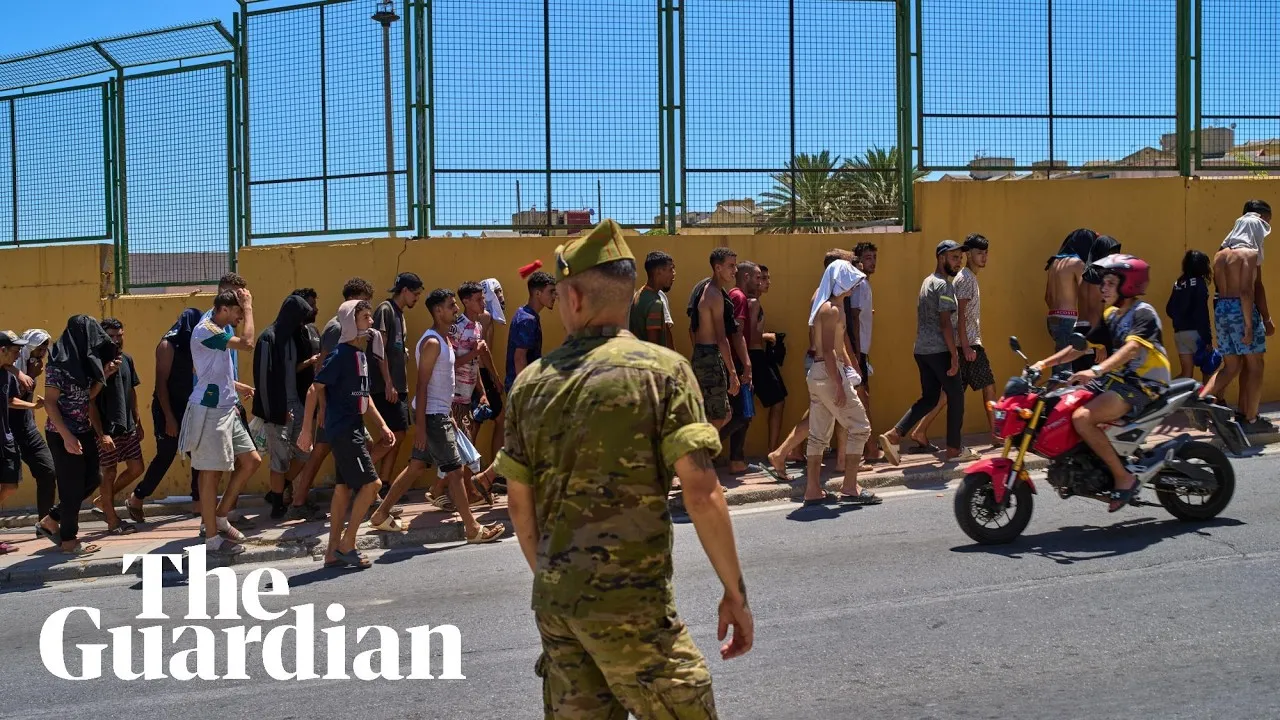
In recent days, Spain's Ceuta enclave has witnessed a significant influx of migrants, with estimates suggesting that approximately 50,000 individuals crossed from Morocco into this small Spanish territory. This unprecedented movement has prompted swift actions by local authorities, who have begun escorting groups of migrants back to Morocco. The situation highlights the ongoing challenges faced by both Spain and Morocco regarding migration and border control, as well as the broader implications for European immigration policy.
The surge of migrants into Ceuta has raised pressing questions about the underlying factors driving such mass movements. Many individuals fleeing from various socio-economic hardships and seeking better opportunities have found themselves in perilous situations as they attempt to cross international borders. The sheer number of migrants arriving in Ceuta in a short time period continues to strain local resources and infrastructure, leading to immediate concerns about humanitarian responses and the capacity of local authorities to manage this crisis effectively.
As authorities in Ceuta grapple with the implications of this influx, there is an urgent need for coordinated efforts between Spain and Morocco to address the root causes of migration. Discussions around comprehensive immigration reforms and collaborative strategies are essential, not only to manage the current situation but also to prevent such occurrences in the future. The situation in Ceuta serves as a stark reminder of the complexities surrounding migration, humanitarian rights, and international cooperation.
As reported by youtube.com.