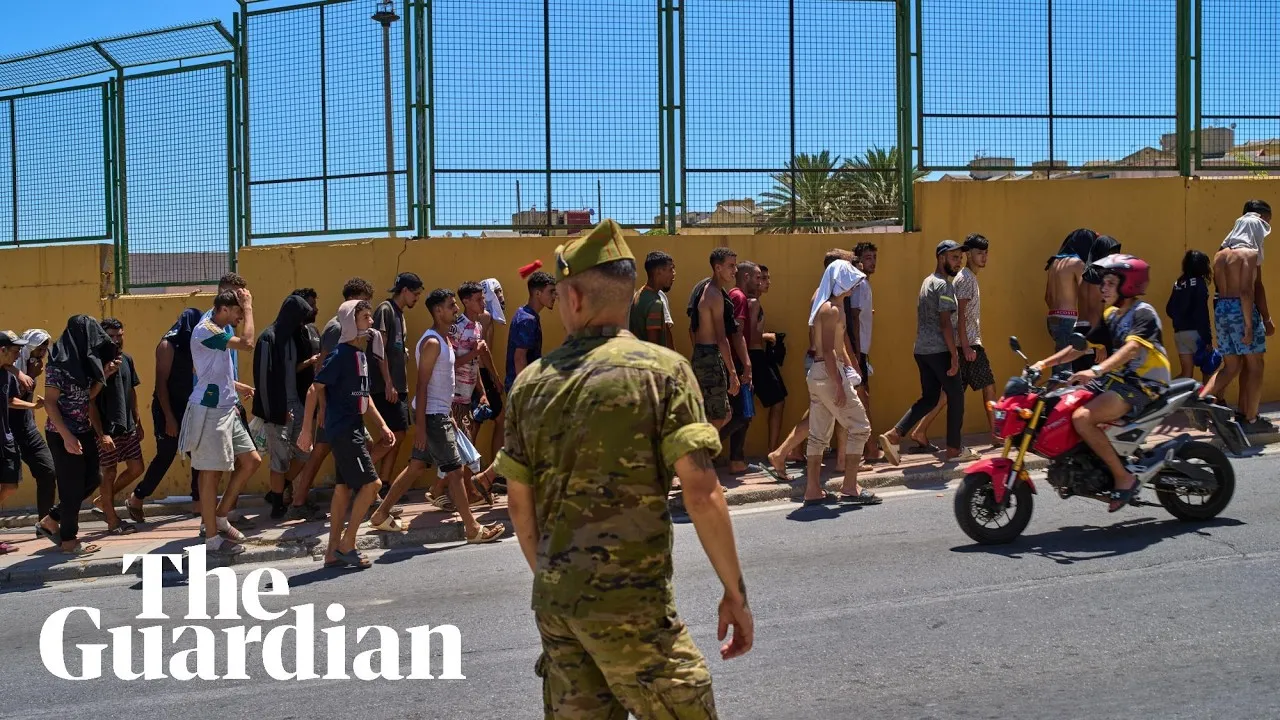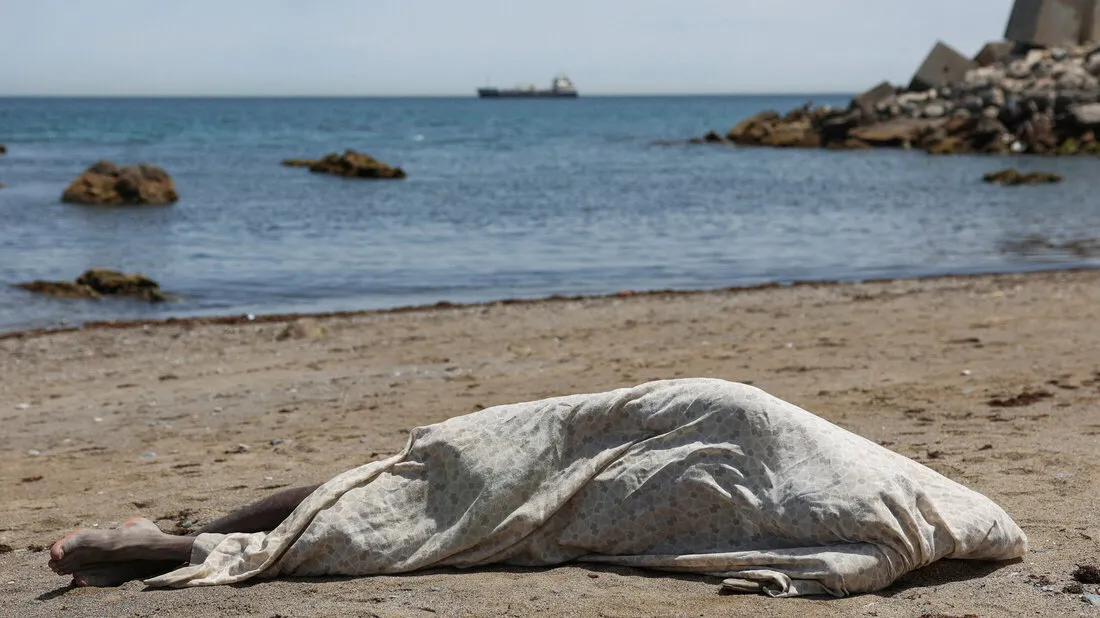

In a delayed response, Moroccan Interior Minister Abdelouafi Laftit finally addressed the recent events occurring in the Spanish exclaves of Ceuta and Melilla during a televised evening broadcast on Sunday. His statements largely align with those issued from Madrid, although he reported that 40,000 individuals attempted to cross into Ceuta, while 1,135 sought entry into Melilla last week. In contrast, Spain's figures indicated a total of 60,000 attempts. Laftit confirmed eleven fatalities during these incidents, whereas Madrid's figures indicate at least 72 deaths.
Laftit emphasized that these border crossings were not spontaneous occurrences. Instead, he attributed the situation to the spread of misinformation on social media, the activities of smuggling networks, and misinterpretations of Spanish legal statutes. He noted that many of the primarily young individuals were led to believe that it was possible to enter Europe without facing legal repercussions. A Spanish court ruling, which stated that asylum seekers arriving "by sea" could not simply be deported, has been misrepresented, particularly in relation to those swimming from a Moroccan beach just a hundred meters past the border fence into Ceuta.
The origins of the claims circulating on platforms like TikTok, suggesting that the borders to these exclaves were open, remain unclear. Spanish newspaper El País reported on Sunday that the accounts responsible for these assertions have either vanished or been deleted. Initially speculative allegations hinting at U.S. or Israeli involvement gained traction after U.S. Congressman Thomas Massie pointed out on Saturday via the online platform X that the U.S. Congress had passed a resolution in mid-July recognizing Morocco's sovereignty over Ceuta and Melilla. "All Republicans except for me voted in favor — yet now they are expressing shock," he stated. This situation may be influenced by the U.S. desire to secure control over the Strait of Gibraltar through its ally in Rabat, particularly given the partial blockade of the Strait of Hormuz by Iran. Tensions also arise from Washington's disagreements with the current left-wing Spanish government, especially concerning Middle Eastern policies.
In an unrelated judicial development, the Berlin Administrative Court ruled in July 2024 in the first instance, rejecting a lawsuit by the publishing house 8. Mai. The German government is permitted to include the daily newspaper junge Welt in its annual reports on constitutional protection and to monitor it. A higher court will now need to make a determination. For several months, both the publisher and the editorial team have been waiting for a decision on whether an appeal is possible or if they must escalate the matter to the highest court.
The ruling, in our view, represents a restriction on freedom of expression and the press in Germany. Conversely, it also complicates the ability of citizens to access diverse sources of information freely.
However, our mission remains clear: to provide enlightenment through well-crafted journalism. You can support this cause by subscribing to junge Welt for press freedom!
They lie in print. We print how they lie.
As reported by jungewelt.de.