
Challenges Faced by Unaccompanied Minors in Ceuta
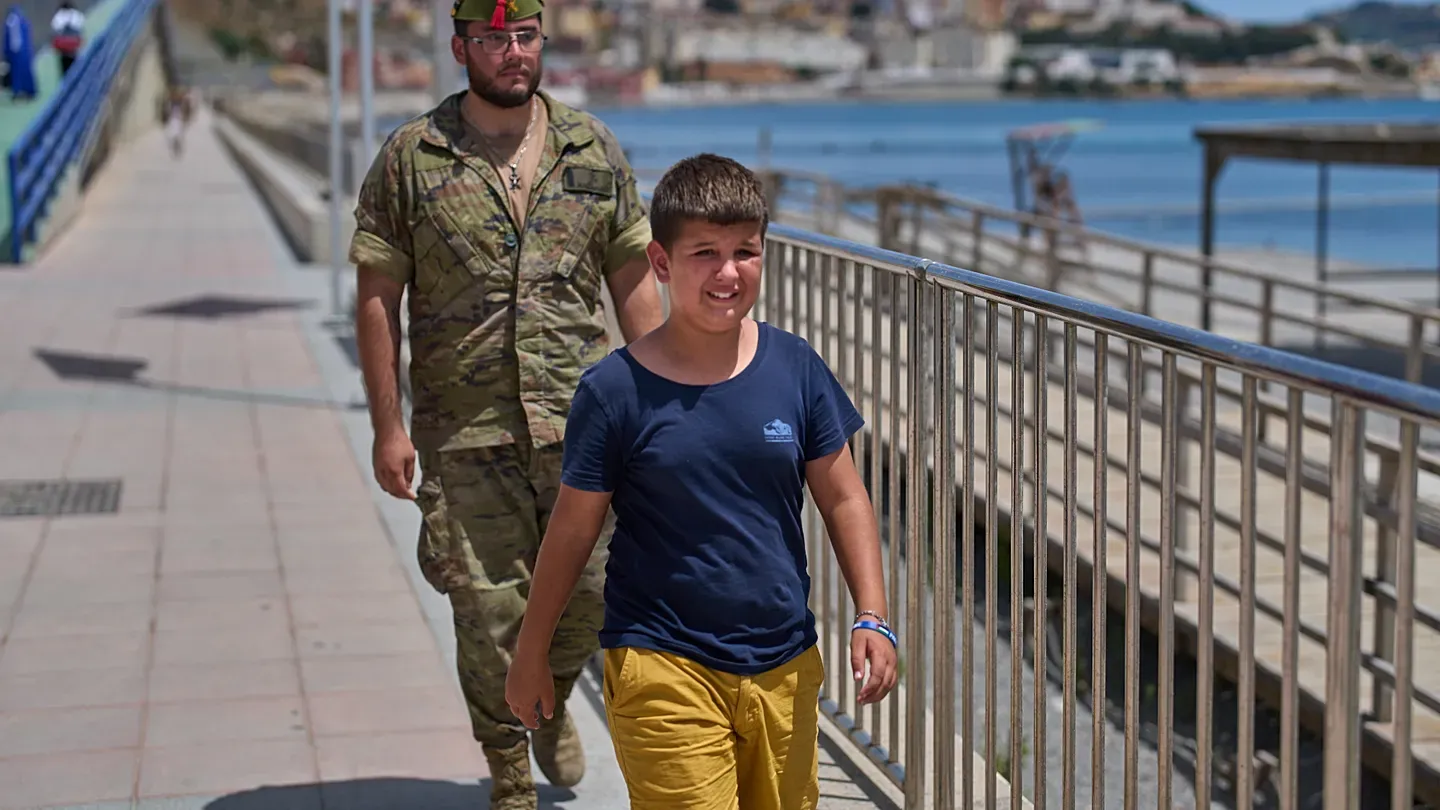
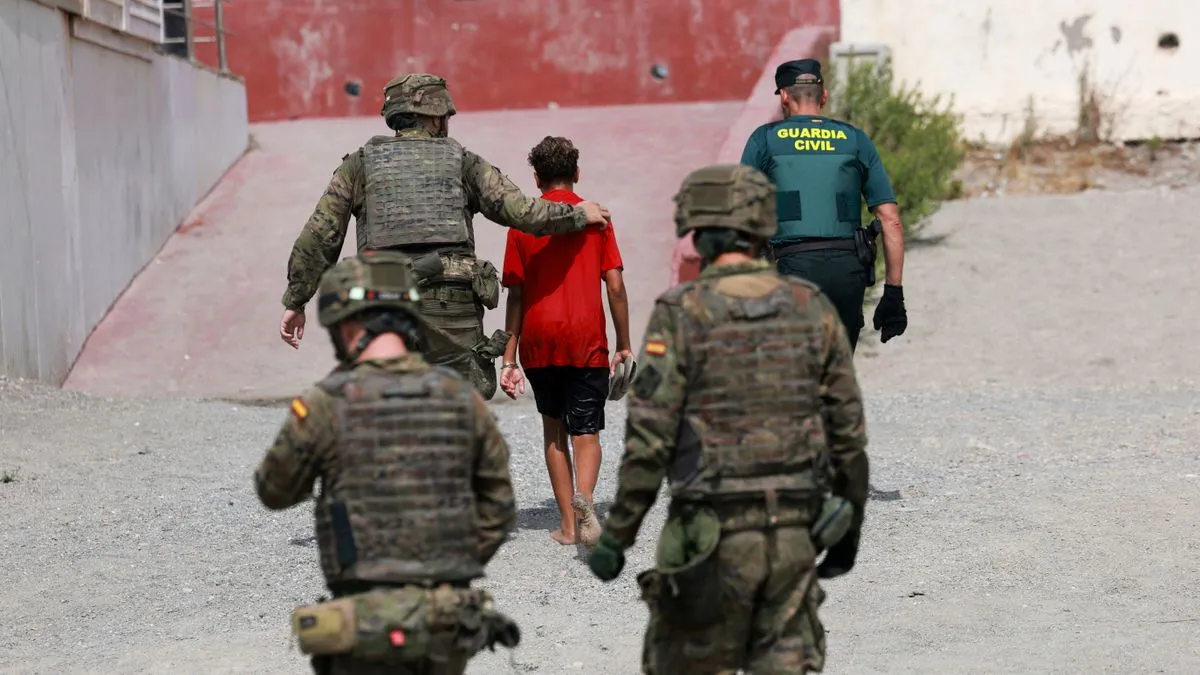
In the Spanish exclave of Ceuta, a significant number of migrants are minors, many of whom are navigating this challenging journey without the support of their families. Reports indicate that while some of these children have arrived accompanied by relatives, a large portion appears to be completely alone. They can be seen wandering the streets, yet the exact number of minors who have crossed the border by swimming remains unknown, highlighting the precariousness of their situation.
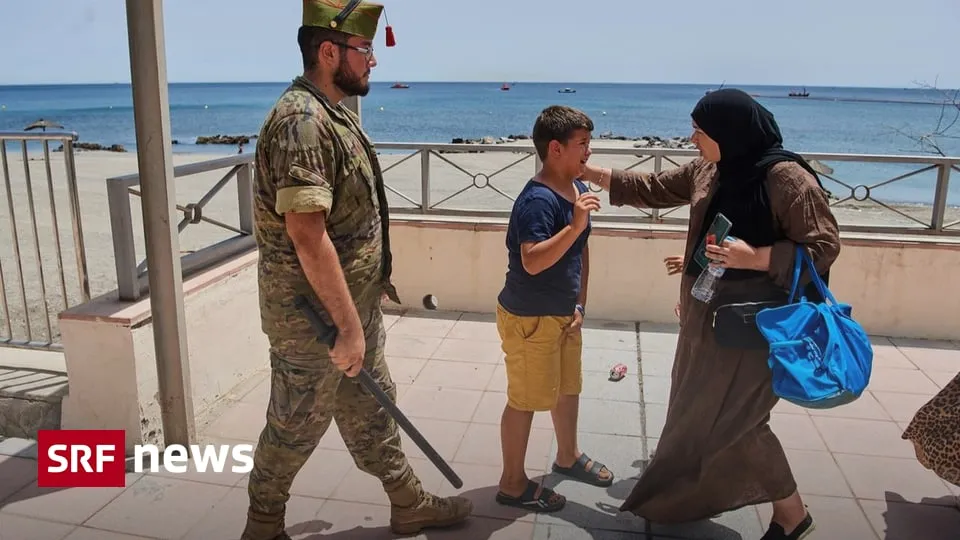
A special correspondent from Swiss Radio and Television (RTS) shared insights from Ceuta, recounting a poignant scene witnessed in a small park situated between the city center and the harbor. Spanish soldiers approached young girls, either teenagers or young adults, urging them in Arabic to return home. Life in Ceuta is undeniably difficult, yet these young individuals express a desire to stay, underscoring the complexities of their circumstances.
On one occasion, two children entered the park, prompting a local resident to offer assistance by suggesting she would take them to the minor reception center in Ceuta. The community is deeply affected and even shaken by the plight of these unaccompanied minors, with some locals making efforts to provide them with food and basic necessities. A soldier recounted witnessing a heartbreaking moment involving a six-year-old child, illustrating the emotional toll this crisis is taking on those who encounter these vulnerable youths.
Spanish authorities are legally obligated not to reject these unaccompanied minors, but the responsibility of caring for them poses a significant challenge. The small territory of Ceuta, encompassing just 18 square kilometers, has seen its reception centers already filled to capacity, housing over 700 children in recent days. Local residents have expressed a willingness to take in minors, but legal repercussions from the police and judicial system deter such actions, leaving many in a state of helplessness.
The Historical Context of Migration in Spain
This situation is not unprecedented. Spain experienced a humanitarian and political crisis in 2024 and 2025, where the spotlight was on unaccompanied minors. The Canary Islands were overwhelmed as an increasing number of children arrived from the African coasts, raising concerns about how to distribute 4,000 minors across various regions of the mainland. The political implications of this crisis quickly became contentious, with conservative and right-wing independence supporters blocking a comprehensive agreement. The extreme right capitalized on the plight of these abandoned children to impose new conditions for collaboration with conservative factions.
As reported by srf.ch.