
The Recent Influx of Migrants to Ceuta
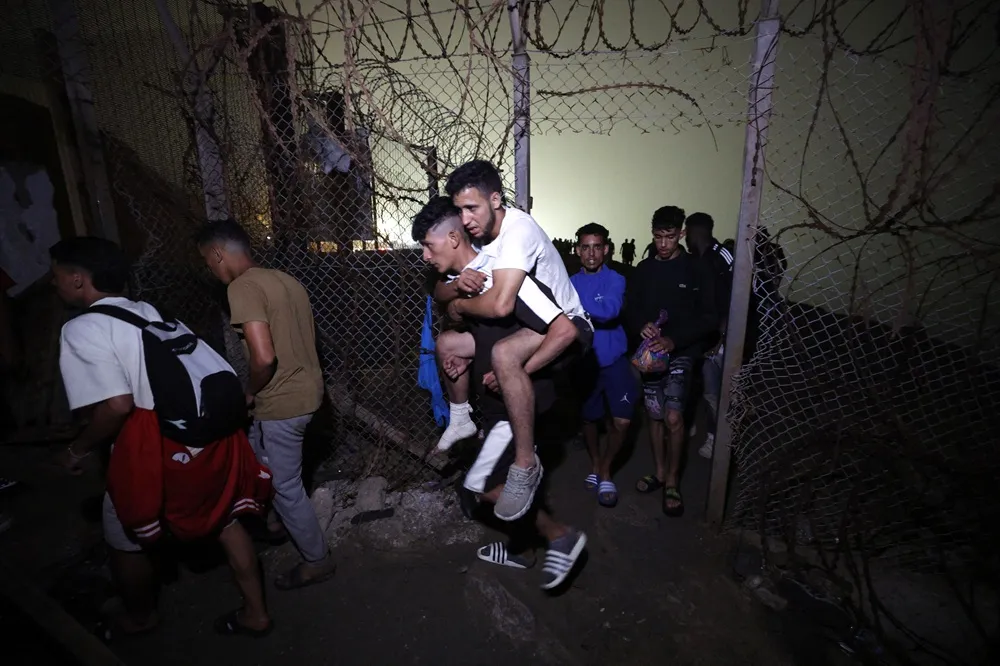
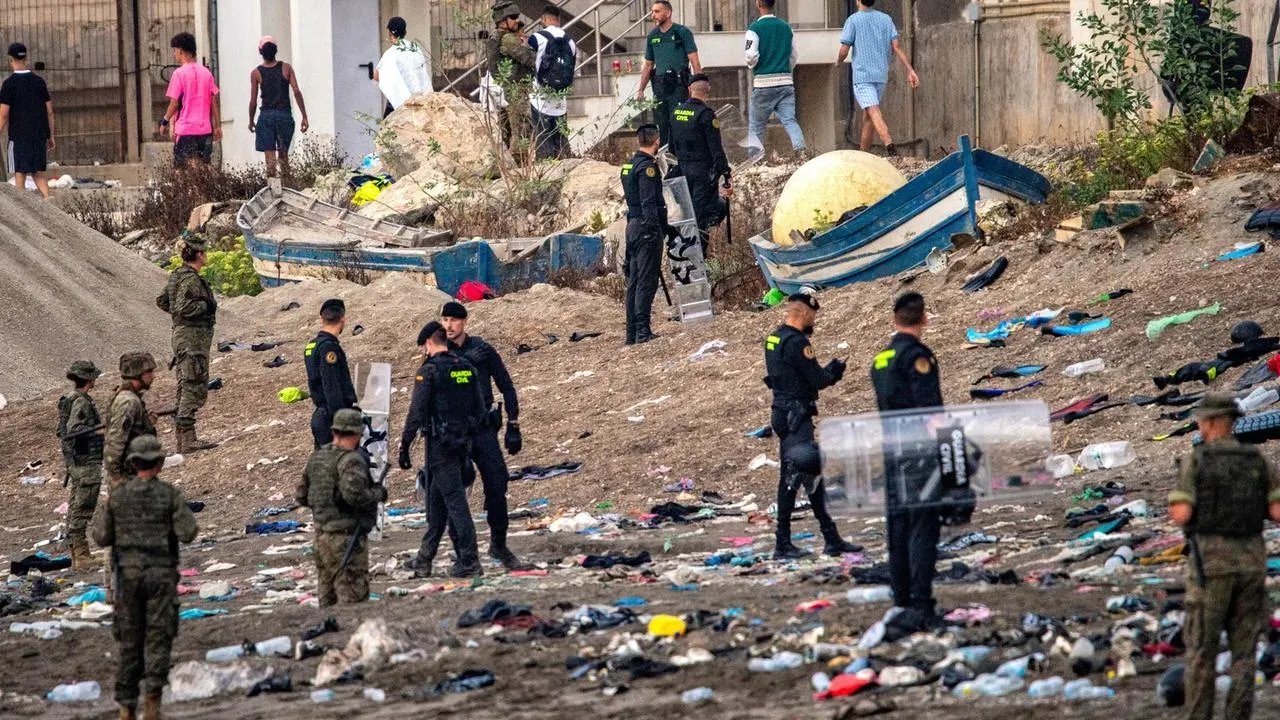
In recent days, approximately 60,000 individuals have crossed from Morocco into the Spanish enclave of Ceuta, although the majority have already returned to their country of origin. Tragically, at least 67 lives have been lost during these perilous sea crossings, as reported by the news agency Europa Press, referencing the local representation of Spain's Ministry of the Interior. Search operations by rescue teams are ongoing, emphasizing the urgency and gravity of the situation.
This significant influx of migrants has triggered a political response, not only from Spain but also from the European Union (EU) in Brussels. On Tuesday, EU interior ministers are slated to convene for an emergency meeting to address the implications of this recent event, as announced by the Irish EU presidency on social media. The urgency of this meeting reflects the collective concern among EU member states, as 22 national leaders have called for a special session to discuss a coordinated European response to the crisis. The letter underscoring this demand highlights the necessity for swift and unified action in light of the recent developments.
Responses and Regional Implications
Experts have described the surge in migrants as an "extraordinary situation," with migration researcher Gerald Knaus emphasizing the need for a comprehensive analysis of the unfolding crisis. In a related discussion, it has been noted that the relationships between Spain and Morocco may have been strained following the recent visit of the Spanish Prime Minister to Algeria, a nation with a historically tense relationship with Morocco. Commentators suggest that the sheer number of migrants cannot occur without the awareness and involvement of Moroccan authorities, indicating a complex interplay of regional politics and migration.
According to Spain's Minister of Foreign Affairs, José Manuel Albares, nearly all of the 50,000 migrants who arrived in Ceuta have returned to Morocco, with EU Migration Commissioner Magnus Brunner confirming that no individuals have managed to cross into the EU mainland. This situation underscores the EU's reliance on Morocco and other neighboring countries like Tunisia and Egypt to prevent migration flows, which are increasingly perceived as a challenge to European stability.
In response to the influx, Spain has deployed military and additional police forces to control access to Ceuta and Melilla, another Spanish enclave. Reports indicate that hundreds attempted to breach the borders of these territories over the weekend, with Spanish soldiers successfully preventing access via the sea. Tensions have escalated at the borders, with incidents of unrest reported as individuals clashed with security forces, highlighting the volatile nature of the situation.
As the EU navigates this complex landscape of migration and border security, the recent events in Ceuta serve as a potent reminder of the challenges faced by European nations in dealing with migration. The need for a cohesive and effective strategy is paramount as Europe seeks to balance humanitarian obligations with the imperative of maintaining security and order at its borders.
As reported by zdfheute.de.