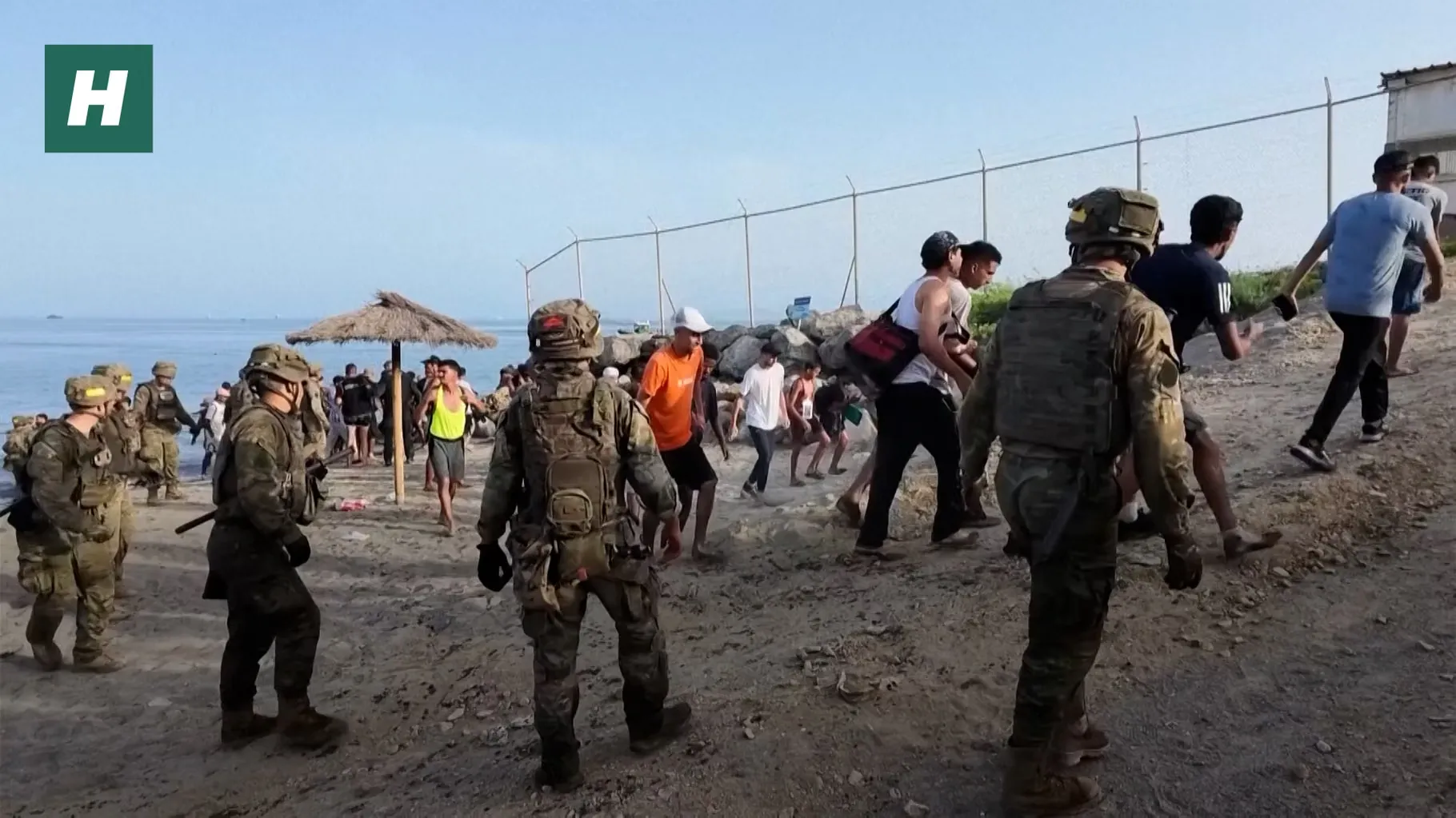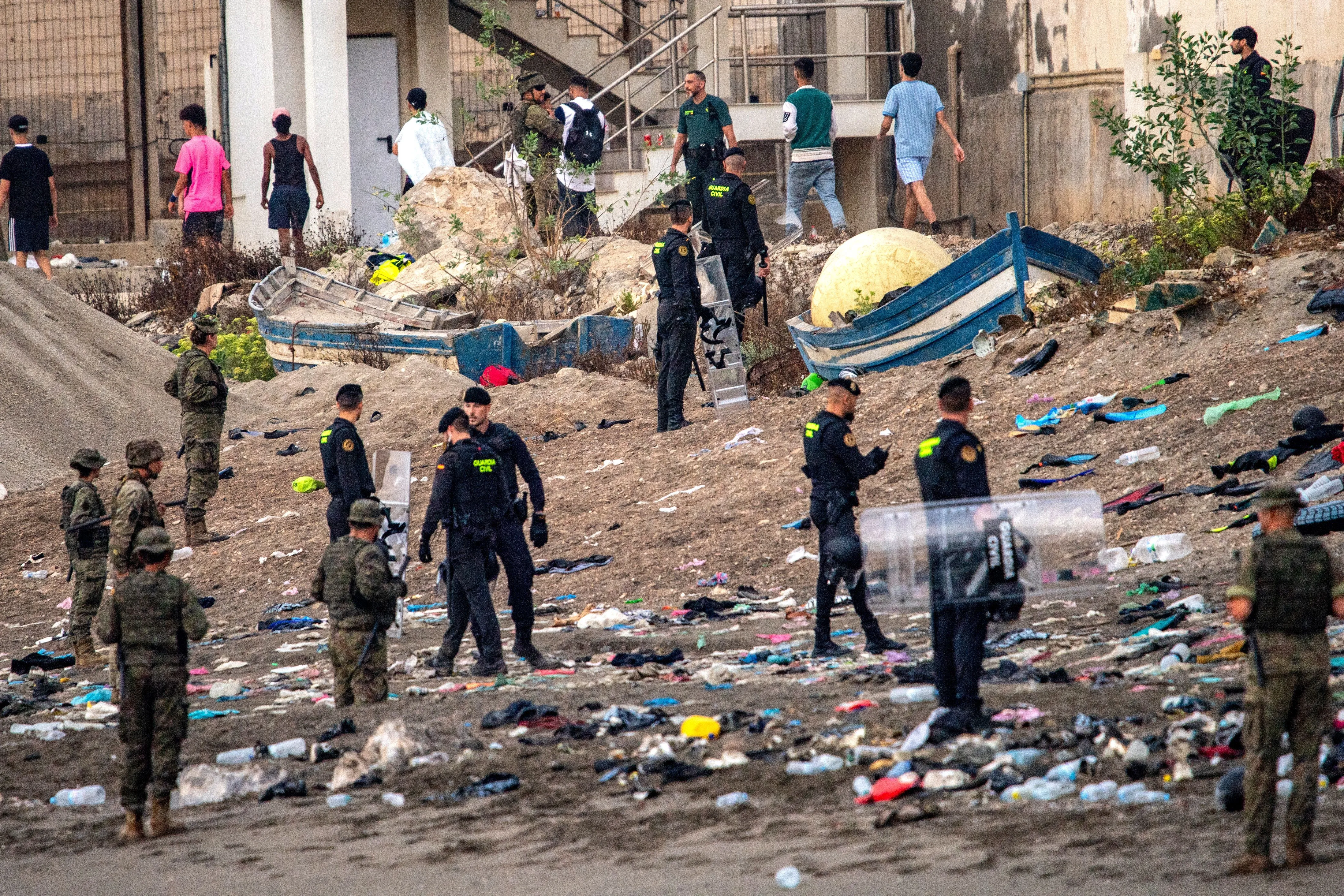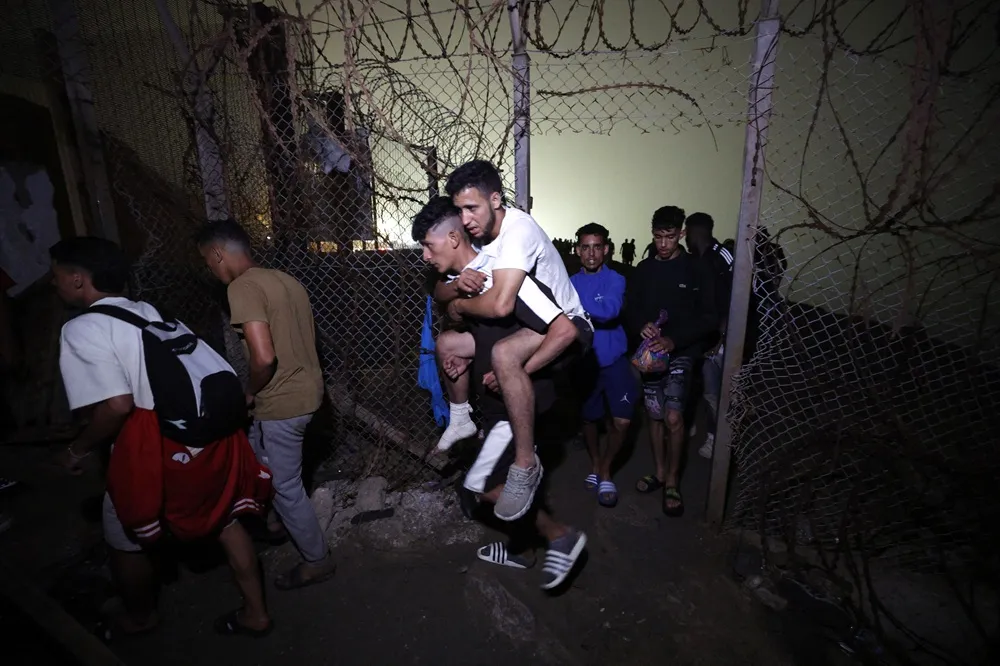

The recent influx of tens of thousands of migrants into the Spanish enclave of Ceuta, located near the northern coast of Morocco, has sparked a significant diplomatic crisis across Europe. In a remarkably short span of just two or three days, approximately 60,000 migrants arrived in Ceuta, leading to at least 67 fatalities as individuals attempted to reach Spain. In response to this situation, Italy has suspended the Schengen agreement with Spain, while 22 European nations have called for an emergency meeting of interior ministers to address the issue.
This substantial and irregular influx of migrants has raised alarm among right-wing factions in Europe concerning security measures at borders. Many of the migrants have since returned, yet the sheer volume of arrivals has ignited discussions about the Moroccan authorities' role in the crisis. Below are the most noteworthy developments surrounding this unprecedented situation.
Unprecedented Influx
The number of migrants arriving in Ceuta is staggering when compared to the enclave's population of just 84,000 residents. Reports indicate that during a mere two to three-day period, around 60,000 migrants entered Ceuta, according to local government head Juan Jesús Vivas, while the Spanish Interior Ministry cited figures closer to 50,000. Journalist Ignacio Sambrero, who specializes in North African migration issues, noted that approximately 200 migrants were arriving every minute. As of Friday afternoon, Spanish authorities reported that over 48,000 individuals had returned to Morocco. Tragically, 67 people, primarily due to drowning, lost their lives during attempts to reach Spain. These figures sharply contrast with the migration crisis of 2021, where around 12,000 migrants entered Ceuta within several days, highlighting the severity of the current situation.
The Moroccan Stance
According to Sambrero, Moroccan security forces appeared to be passive during the influx of migrants since last Wednesday. He emphasized that multiple police and auxiliary forces were stationed at the rocky border separating Ceuta from Morocco, suggesting that the migrants were allowed passage. Carlos Echeverría, head of the Ceuta and Melilla Observatory, asserted that given the scale of the influx, the term "invasion" could aptly describe the situation, as thousands crossed an international border irregularly and placed pressure on a neighboring country.
Experts have posited various reasons for this surge, one of which relates to a ruling by the Spanish Supreme Court on July 8, which determined that immediate expulsion of migrants arriving by sea without initiating an administrative expulsion process was not permissible. Sambrero noted that while this ruling undoubtedly played a part, it does not fully explain the extraordinarily high level of mobilization observed. Contributing factors may also include the recent Spanish government’s decision to regularize the status of individuals who had entered the country unlawfully and the potential for changes in the Spanish government’s approach to immigration policy.
Some analysts interpret Morocco’s handling of this migrant crisis as a form of diplomatic leverage. Morocco has sought sovereignty over Ceuta and Melilla since its independence in 1956, yet Spain has consistently rejected any negotiations regarding these territories. Sambrero suggested that Moroccan authorities saw this as an opportunity to compel Spain to negotiate the future of the two cities.
As the situation unfolds, it becomes evident that the implications of this migrant surge extend beyond immediate humanitarian concerns and are intricately linked to broader geopolitical dynamics within Europe. The crisis has highlighted the complex interplay between migration policies, national security, and diplomatic relations.
As reported by independentarabia.com.