
The Crisis in Ceuta: A Wake-Up Call for the European Union
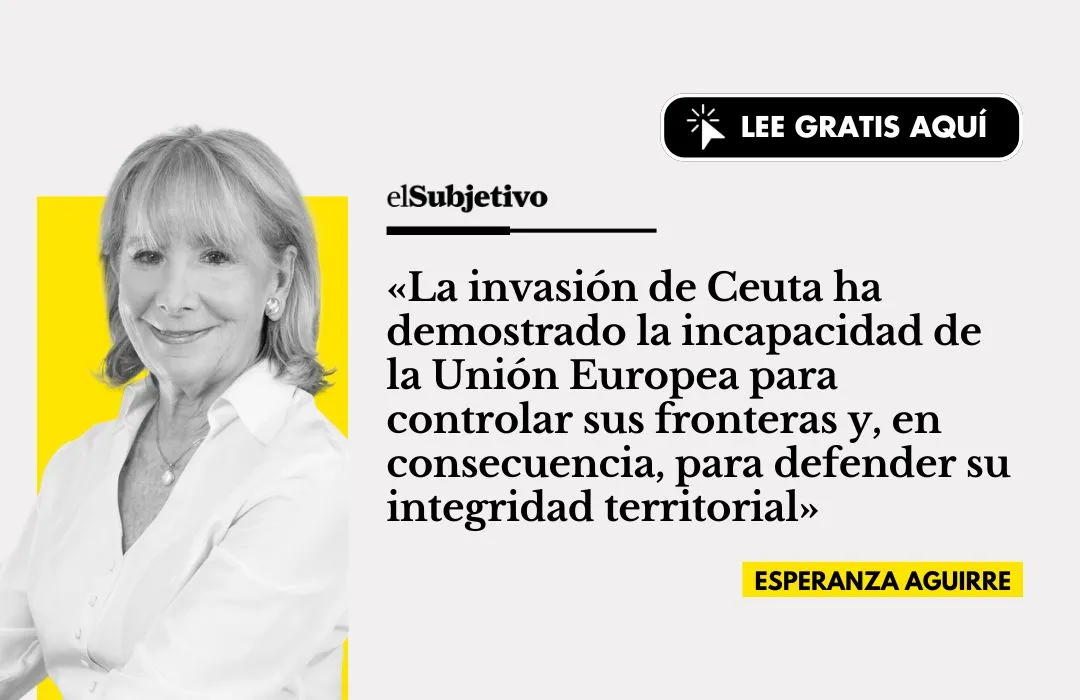
The recent influx of over 72,000 immigrants into the Spanish city of Ceuta has sparked significant debate among European leaders, particularly Spanish Prime Minister Pedro Sánchez and Moroccan King Mohamed VI. They have downplayed the situation, labeling it as a mere prank orchestrated by youths exploiting social media. However, for anyone who has witnessed the chaotic scenes unfolding on the ground, it is undeniable that this event constitutes an invasion of a territory that is not only Spanish but also a vital part of the European Union. This crisis has laid bare the European Union's inability to effectively manage its borders and, by extension, to safeguard its territorial integrity.
What is particularly striking is the apparent apathy displayed by the leaders of the 27 EU member states in the wake of a letter from 22 of them, spearheaded by Italy and Denmark, which criticized Spain's immigration policy and demanded that the EU take charge of border security. It raises questions about their commitment to addressing the broader implications of migration across Europe. Meanwhile, these same leaders frequently express alarm over the perceived threat posed by Russia's autocrat Vladimir Putin, who has been waging war against neighboring Ukraine for over four years. This inconsistency begs a crucial question: if Morocco's actions are a test of European resolve, what might Putin take from this situation?
Understanding the Broader Consequences of Immigration Policies
Imagine a scenario in which 72,000 civilians from Russia, including thousands of children, were to cross into any of the six EU countries that share a border with Russia—Norway, Finland, Estonia, Latvia, Lithuania, and Poland. Would the EU respond with the same leniency it has shown towards Morocco? Would it welcome those claiming to be underage, even without verification, and begin relocating them to care facilities for support and education? Or do the EU's leaders perceive the borders of Ceuta as being less significant than those of Poland?
The Spanish government's response to this crisis reveals significant shortcomings. According to the Office of the Attorney General, from 2015 to 2024, Spain received 32,763 unaccompanied minors, yet only 41 were repatriated to their families. Notably, none of them were Moroccan, even though approximately 15,000 of those unaccompanied minors who arrived in Spain were indeed from Morocco. This situation forces us to confront the reality of a child separated from their family and homeland. Instinctively, any parent would prioritize the swift return of their child to safety.
While humanitarian care for these minors is essential, it should not amount to placing them in facilities where they are unlikely to receive any meaningful education or support. The European response to illegal immigration has become entangled with the operations of human trafficking organizations that exploit vulnerable individuals, including minors, to facilitate their entry into Europe. Prime Minister Sánchez's handling of the situation has been particularly contentious, as he appears to leverage the plight of these minors to project a benevolent image while demonizing those who oppose his policies.
Furthermore, the implications of this immigration surge extend beyond immediate humanitarian concerns. If any of the newly arrived individuals were to engage in criminal activities, the likelihood of their deportation diminishes significantly. In essence, this could create a perverse incentive where criminal behavior serves as a de facto pathway to remaining in the country. The European Union must recognize that the integrity of its borders is not only a matter of national security but also a reflection of its values and principles.
As reported by theobjective.com.