
High Stakes Await in Rabat
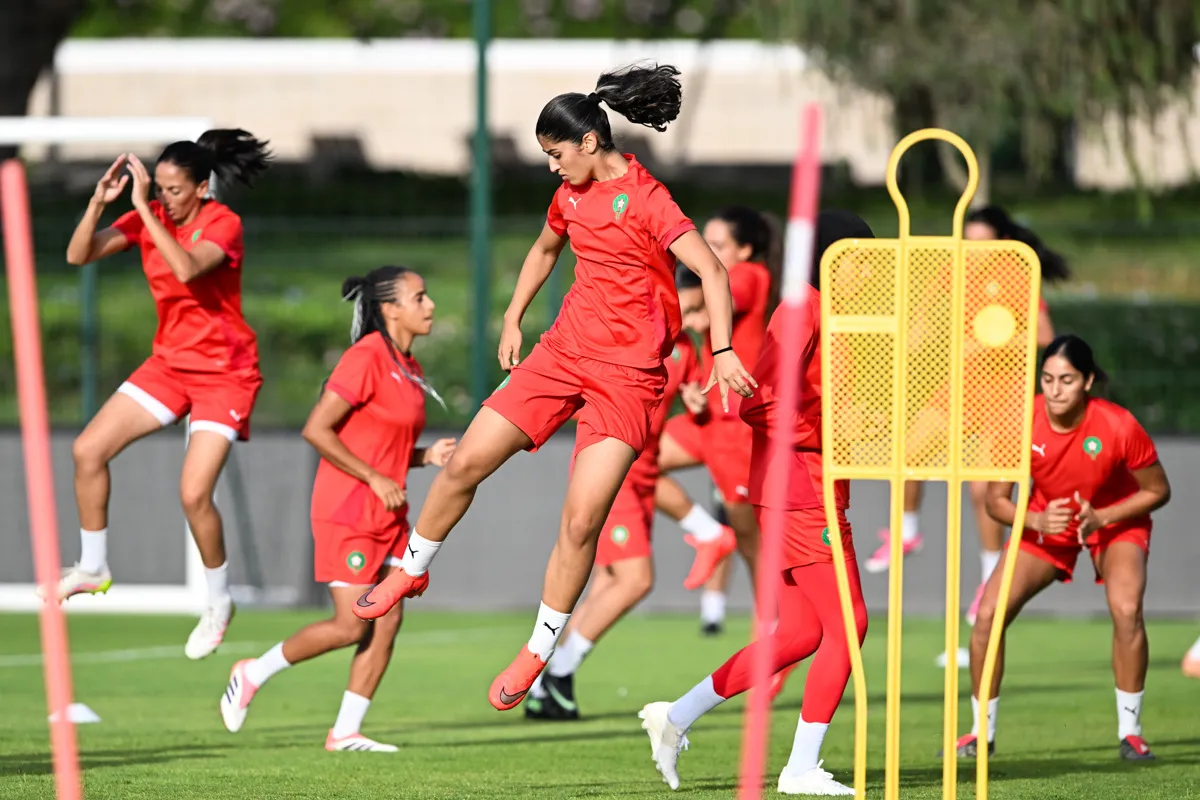
On Wednesday, 12 August 2026, Morocco and Cameroon are set to clash in a highly anticipated semifinal of the TotalEnergies CAF Women’s Africa Cup of Nations at the Moulay El Hassan Stadium in Rabat. Morocco, driven by the fervent support of their home crowd, is eager to secure a spot in the finals for the third consecutive time, while Cameroon, fresh off a narrow 1-0 victory against Nigeria in the quarterfinals, aims to make their own mark in this prestigious tournament. Both teams understand the magnitude of this match, which not only represents a place in the finals but also a chance to create history and elevate their national football narratives.
The atmosphere in Rabat promises to be electric, as Morocco leans on the advantages of home turf and the unwavering support of fans who are expected to fill the stadium. Coach Jorge Vilda emphasized the importance of this semifinal, asserting that their aspirations extend beyond merely qualifying for the FIFA Women’s World Cup 2027. “Morocco isn’t going to stop; we want to be in the final,” Vilda stated confidently. The home team has been diligently preparing to harness the emotional weight of this occasion, aiming to transform the pressure of expectations into a driving force for success.
Cameroon's Determination and Experience
On the other side, Cameroon arrives at this semifinal with a sense of freedom from the burden of expectation. Having eliminated Nigeria, the reigning champions and a dominant force in African women’s football, the Indomitable Lionesses have shown they can rise to the occasion. Captain Colette Ndzana succinctly expressed their mindset: “Respecting an opponent doesn’t mean they scare us.” This perspective encapsulates their determination to enjoy the journey while remaining focused on their goal. Coach Valentine Nguele is well aware of the challenge ahead, recognizing that they will be competing against an entire nation as they face Morocco.
The tactical battle on the field is expected to be fierce, with both teams needing to navigate the mental and physical demands of such a critical match. Morocco is committed to imposing their style of play, backed by a coaching staff that has prepared them for every possible scenario, whether the match extends to extra time or a penalty shootout. Conversely, Cameroon must address minor fitness concerns following their intense encounter against Nigeria, but they also benefit from the experience of players who participated in the 2016 final. This blend of veteran leadership and youthful ambition could prove pivotal in this semifinal clash.
With Morocco having reached the final in the last two editions of this tournament, they are acutely aware of the challenges that lie ahead in their quest for their first continental trophy. The stakes have been heightened this year, particularly after Nigeria’s shocking exit in the quarterfinals, marking a significant shift in the landscape of African Women’s Football. Vilda remains focused on the present, acknowledging Cameroon’s capabilities while urging his players to deliver their best performance on the pitch.
For Cameroon, this semifinal is not just another match; it symbolizes a chance to continue their legacy while paving the way for future generations. Nguele’s rallying cry is simple yet powerful: to enjoy the moment, adhere to tactical instructions, and leave everything on the field. With the home crowd backing Morocco and the momentum of their recent victory on Cameroon’s side, this semifinal is sure to be a thrilling encounter that will captivate fans around the continent and beyond.
As reported by cafonline.com.