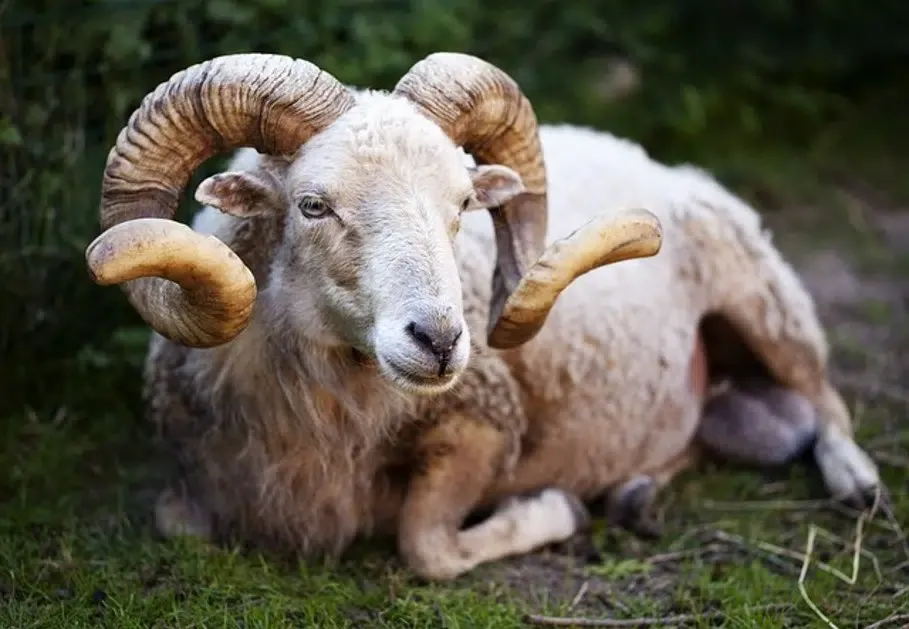
Significant Price Increases of Sacrificial Animals
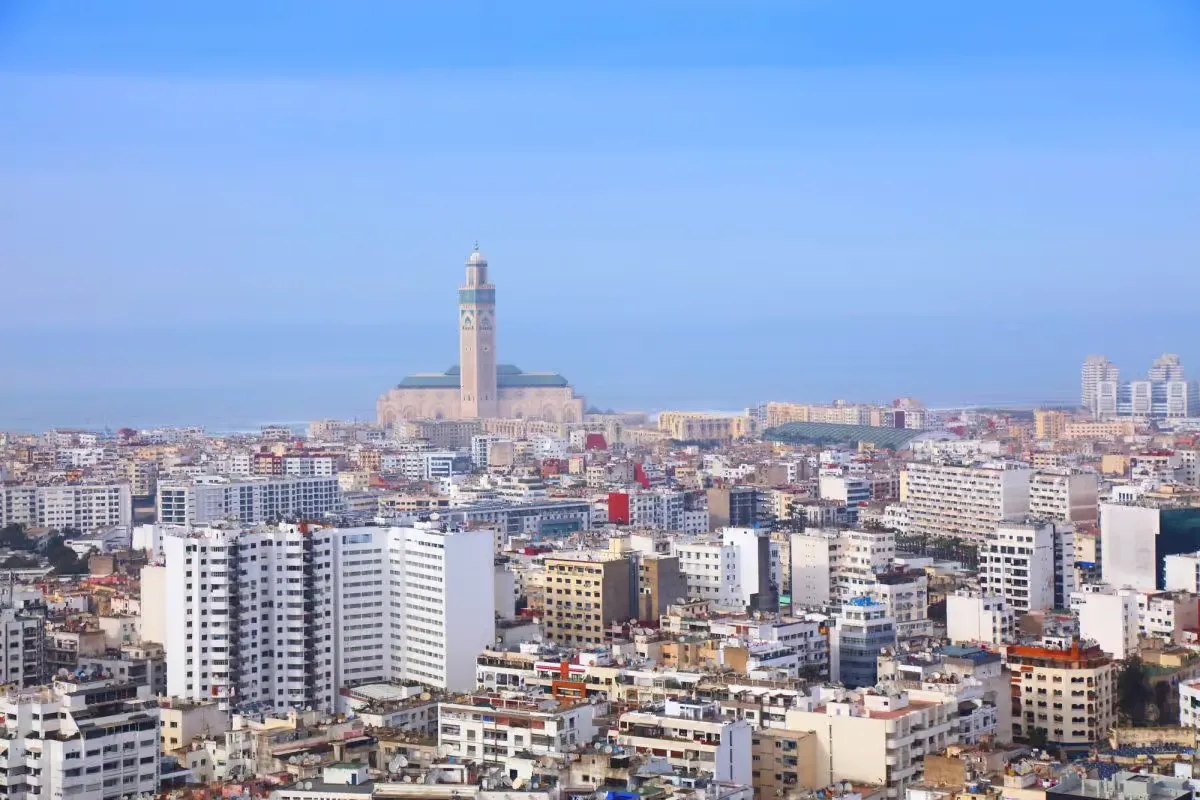
In Casablanca, Morocco, the celebration of Aïd al-Adha 2026, which takes place today, has been overshadowed by a dramatic surge in the prices of sacrificial animals. A recent survey conducted by the economic magazine Médias24 across two major markets in Casablanca revealed that the costs associated with these animals have significantly exceeded the budgets of many families. This alarming trend has led to considerable frustration among the populace, especially as the Ministry of Agriculture had previously assured the public of sufficient supply and stable pricing.
During the last weekend before the festival, both the traditional market at the International Fair and the slaughterhouse market in Hay Mohamadi exhibited a notably sparse supply of animals. According to the report, vendors were charging between 3,000 and 4,000 Moroccan Dirham (MAD) for lambs aged six to seven months. For animals that are over one year old and thus compliant with ritual requirements, prices started at a minimum of 5,000 to 5,500 MAD.
The price per kilogram for sales by weight at the slaughterhouse market increased sharply within a week, rising from 73 to 77 MAD to as high as 80 MAD. Only the supermarkets offered a slight reprieve last Monday by marginally reducing their prices to 78 MAD per kilogram in an attempt to appease dissatisfied customers.
Buyer Reactions and Market Trends
The reactions from buyers have been overwhelmingly negative, with observers attributing the inflated price levels to a deliberate strategy employed by traders. At the beginning of the week, very large and expensive animals were showcased for over 12,000 MAD, creating a psychological anchoring effect that distorted customer perceptions. Consequently, smaller animals priced at 4,000 MAD seemed comparatively acceptable, despite still being significantly overpriced.
Moreover, there has been a notable demographic shift in the markets, as recent census data indicates that an increasing number of women are taking on the role of household heads. These women often operate with limited financial resources, necessitating tough negotiations. This situation risks creating a further divide during the festival, where affluent groups can easily make purchases while the poorer segments of the population may find themselves unable to afford a sacrificial animal.
The 2026 Aïd al-Adha is particularly significant as it marks the first observance after the complete cancellation in 2025. While state subsidies introduced in 2023, along with a rainy year, have led to a partial recovery of livestock numbers, the fundamental market structures remain unreformed. Although the national health authority ONSSA has successfully implemented controls and traceability through ear tagging, the political mechanisms for price regulation have proven ineffective. The supply chain remains fragmented and vulnerable to speculation, raising concerns about how Morocco intends to sustainably reform its livestock and trade structures to shield consumers from such price shocks in the future.
As reported by maghreb-post.de.