Senegal's Quest to Regain AFCON Title
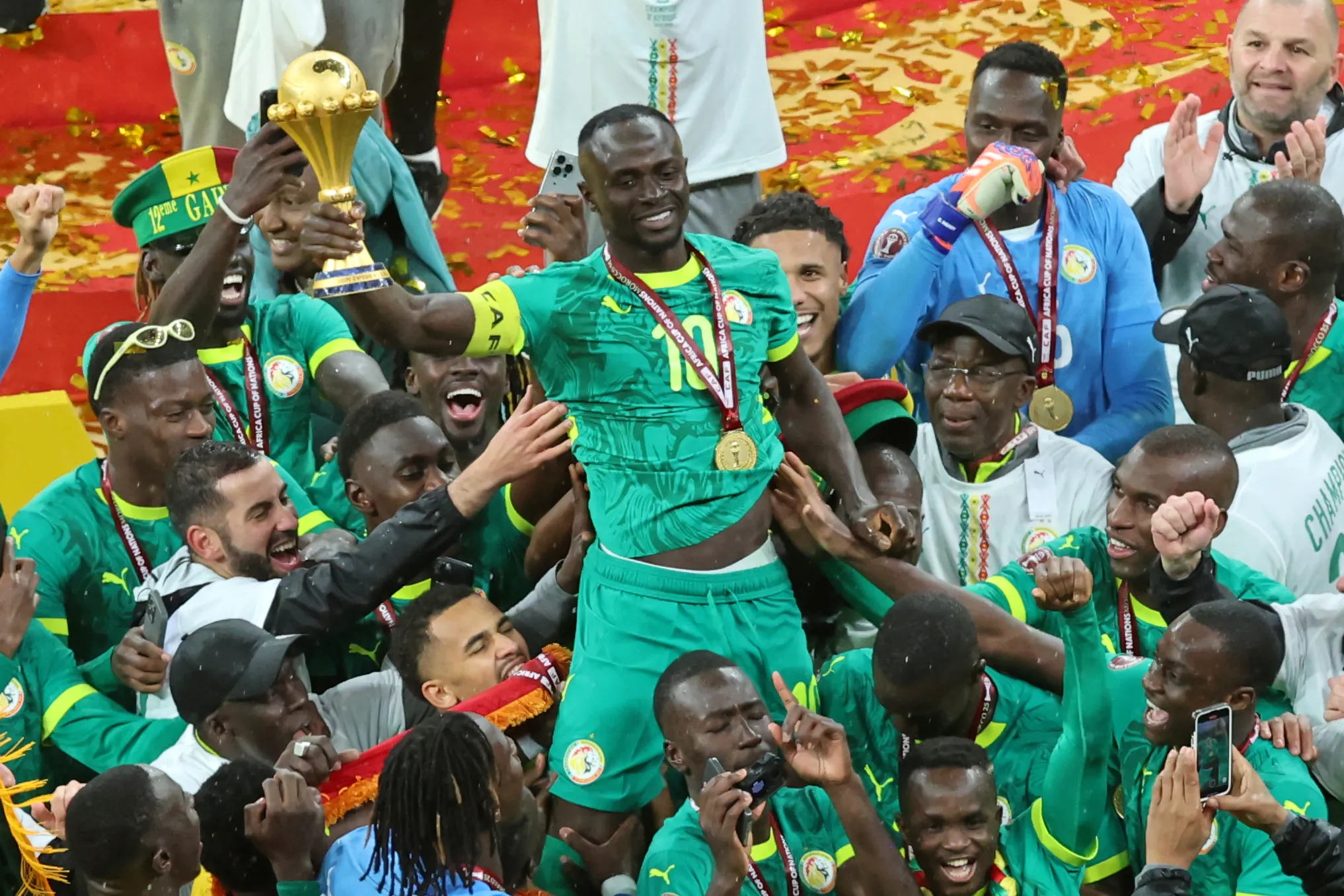
On October 8, Senegal's appeal to reclaim the Africa Cup of Nations title, which it controversially won against Morocco in a tumultuous final earlier this year, will be heard by the Court of Arbitration for Sport (CAS). The hearing is scheduled to take place behind closed doors at the CAS headquarters in Lausanne, Switzerland, and no specific date has been set for the verdict to be announced. Historically, CAS judges take several months to reach a decision, and this particular case has garnered significant attention, stirring debate within both African football circles and the political landscape.
In a dramatic match held on January 18, Senegal triumphed over Morocco with a 1-0 victory after extra time in Rabat. However, weeks later, Morocco was awarded the title when the appeals judges of the Confederation of African Football (CAF) ruled that Senegal had forfeited the match by abandoning the field in protest against a penalty awarded to Morocco. This unusual turn of events has created ripples of controversy that have persisted long after the match concluded.
Controversial Match Events and Aftermath
The preparations for the appeal hearing have been ongoing throughout the World Cup, where Morocco reached the quarter-finals, while Senegal experienced an unexpected exit in the round of 16 against Belgium despite leading 2-0 late in the game. In a statement released on Friday, CAS indicated that they cannot specify when a final decision will be made, emphasizing that it will not occur on the day of the hearing itself.
The African final’s drama unfolded during stoppage time, with the score tied at 0-0, when Senegal’s players left the pitch for 15 minutes after a penalty was awarded to Morocco, which was ultimately saved. Star player Sadio Mané was credited with persuading his teammates to return to the field, thereby preventing the match from being abandoned amidst scenes of chaos as Moroccan police clashed with Senegalese fans. Tensions escalated when a goal by Senegal was disallowed just moments before the penalty was granted.
The penalty attempt by Morocco also became a notable moment in football history. As the Moroccan striker Brahim Díaz prepared to take what appeared to be the final shot of the match, he attempted a delicate 'Panenka' shot, which was easily saved by Senegal’s goalkeeper Édouard Mendy. The fallout from the final extended into May when King Mohammed VI of Morocco pardoned 18 Senegalese fans who had been imprisoned for up to a year due to the stadium clashes. The CAF's March appeal ruling seemed to disregard established football regulations, which state that the referee's decision on the field is final. However, judges cited a CAF tournament rule indicating that any team refusing to play 'will be definitively eliminated from the ongoing competition'. Although Senegal's refusal lasted several minutes, it did not compel the referee to halt the match.
The decision to strip Senegal of the title has fueled perceptions of Morocco's increasing influence in international football politics, especially with the nation set to co-host the World Cup in 2030 alongside Spain and Portugal.
As reported by beaumontenterprise.com.