
Commitment to National Aspirations
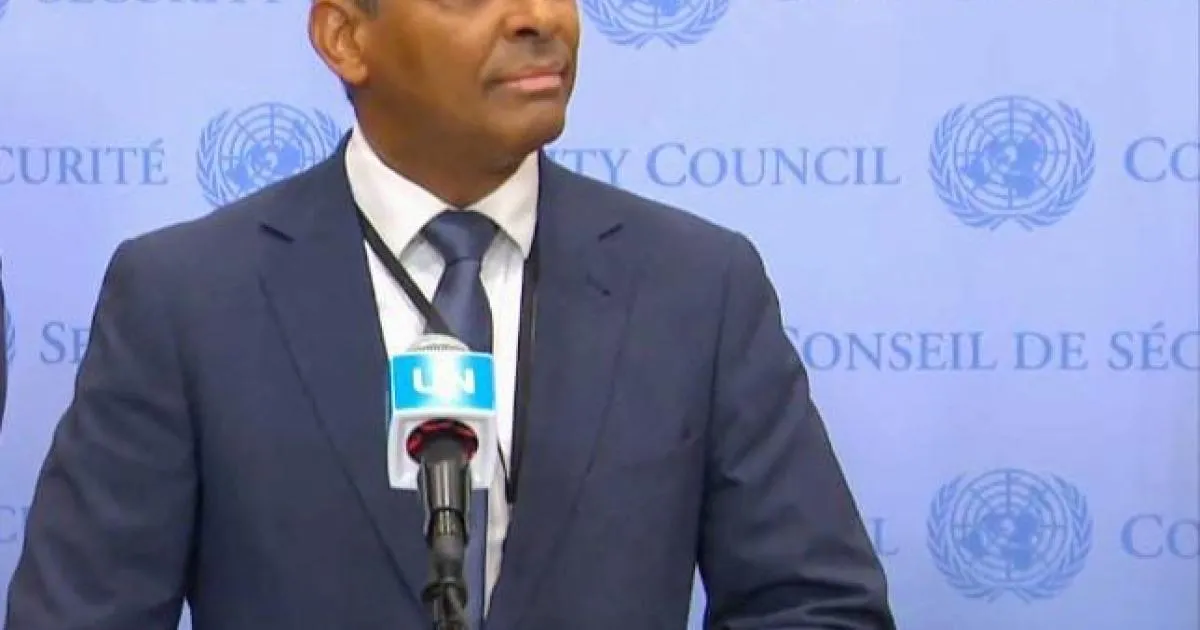
In a recent interview with the Spanish-language service of the Sahara Press Service (SPS), Dr. Sidi Mohamed Omar, a prominent member of the National Secretariat and representative of the Frente POLISARIO at the United Nations, emphasized the unwavering dedication of the Sahrawi people to their legitimate aspirations for freedom and independence. He underscored the importance of completing sovereignty over their national territory, making it clear that the quest for self-determination remains a top priority for the Sahrawi community.
During the discussion, Dr. Omar addressed a critical letter that was sent to the Presidency of the Security Council, which highlighted the dire situation of Sahrawi political prisoner Enaâma Asfari. This letter, now an official Security Council document (S/2026/606), has been distributed to member states. Dr. Omar revealed that Asfari has been on an indefinite hunger strike since June 8, 2026, protesting against his detention conditions and the Moroccan authorities' refusal to comply with United Nations directives concerning his case and those of other Gdeim Izik political prisoners. He called upon the Security Council to take immediate action to safeguard Asfari’s life and physical well-being, holding the Moroccan occupying forces accountable for his situation and the ongoing human rights violations faced by Sahrawi political prisoners.
Challenges in the Peace Process
Reflecting on the UN-led peace process regarding Western Sahara, Dr. Omar noted that significant developments have occurred under UN Security Council Resolution 2797, which was adopted in October 2025. The United Nations and the United States co-chaired three informal ministerial meetings in early 2026, attended by the foreign ministers of both the Frente POLISARIO and Morocco, along with representatives from Algeria and Mauritania. Despite these diplomatic efforts, Dr. Omar stressed that the progress made so far only marks the beginning of a longer journey, with many obstacles still present, primarily due to Morocco's aggressive stance. He criticized the occupying state's actions as contradictory to the pursuit of a peaceful resolution in line with international law.
Dr. Omar reiterated the Frente POLISARIO's position, as reaffirmed during the National Secretariat's regular session in April 2026, emphasizing a commitment to the success of UN efforts. He highlighted the necessity for a fair and lasting solution based on the Sahrawi people's inalienable right to self-determination through a democratic process, as outlined in relevant UN General Assembly resolutions. The National Secretariat categorically rejects any proposals that seek to legitimize the occupation and undermine their quest for freedom and sovereignty.
Looking ahead, Dr. Omar mentioned that the Security Council is set to convene in October under Greece's presidency, where it will review the Secretary-General's report on the Western Sahara situation and deliberate on extending the mandate of the United Nations Mission for the Referendum in Western Sahara (MINURSO).
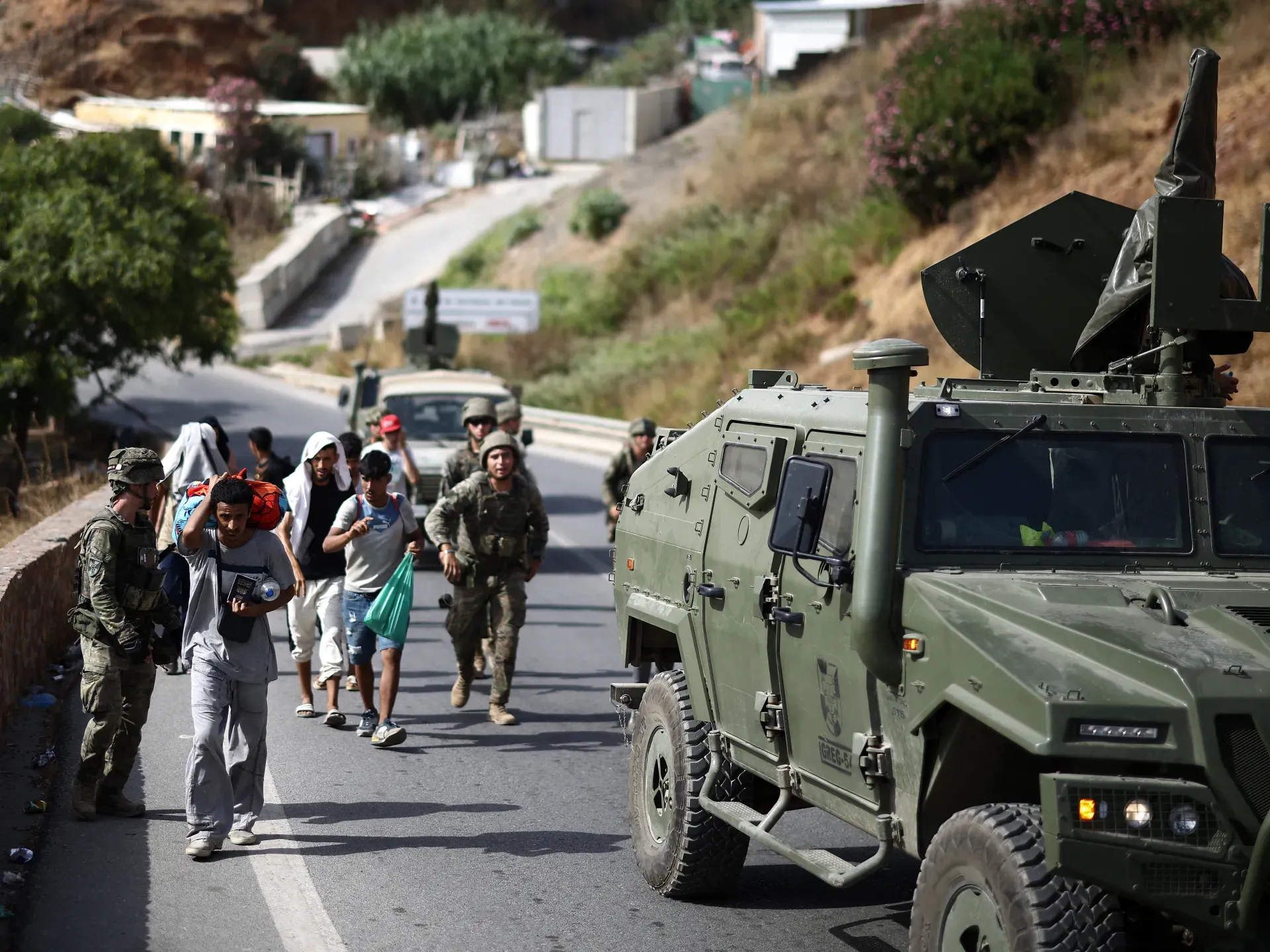
In light of recent events in the Spanish city of Ceuta, which saw a significant influx of Moroccan migrants, Dr. Omar pointed out the stark contrast between the Moroccan monarch's assurances of a dignified life for all citizens and the reality faced by many Moroccans. He argued that this migration wave underscores the sociopolitical turmoil within Morocco, revealing a regime that suppresses fundamental rights while contributing to regional destabilization. He concluded by recalling historical instances, such as the 'black march' in 1975, where Moroccan civilians were used to further political ends, illustrating the ongoing complexities of the situation in the region.
As reported by spsrasd.info.