Alarming Trends in Public Procurement Practices
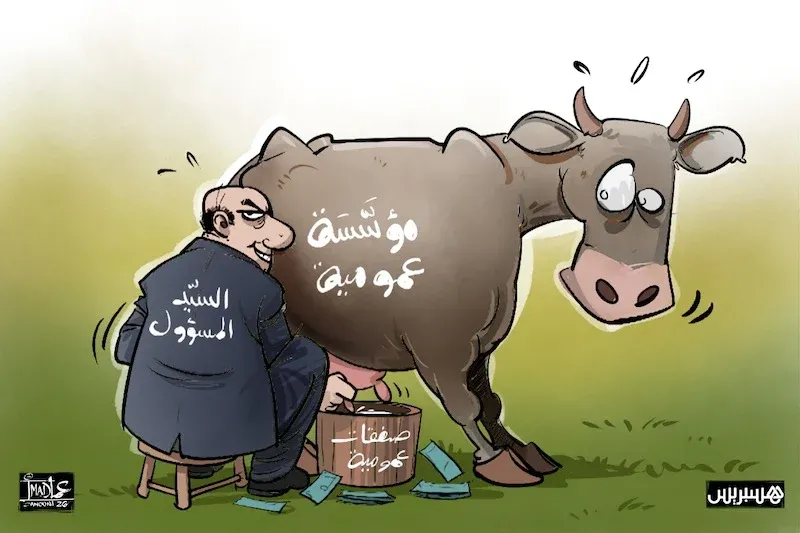
Recent reports submitted by various administrative divisions, particularly from the Casablanca-Settat, Rabat-Salé-Kénitra, Fes-Meknes, and Marrakech-Safi regions, have raised significant concerns regarding the manipulation of public contracts in Morocco. These revelations have prompted a heightened response from the Ministry of Interior, as they unveil a troubling trend where both new and veteran local officials exploit their positions to benefit personally from public contracts worth millions. The reports indicate that elected officials are increasingly using companies under their ownership or those registered in the names of relatives and associates to secure lucrative public deals.
According to inside sources, the submitted reports highlight the growing dominance of what are termed "Mayor’s Companies" in securing a large volume of regional, provincial, and local council contracts. This situation is characterized by indirect control exercised by high-ranking officials, while the actual management of these companies is often delegated to trusted partners or family members. Such practices have raised eyebrows, as they suggest a systemic issue of conflict of interest and corruption within the procurement process.
Collusion and Lack of Transparency
Further investigations reveal that intermediaries close to council leaders frequently provide strong assurances, such as blank checks, to ensure profit-sharing arrangements and to prevent disputes among the colluding parties. Alarmingly, the Ministry of Interior's reports contain serious allegations regarding newly established companies that lack significant financial or technical capabilities but have suddenly emerged as key players benefiting from substantial contracts. This rapid rise is attributed to what insiders describe as collusion in the public tendering process, which has resulted in significant financial gains for a select few.
The troubling trends extend across various regions, including some southern provinces where political figures own multiple companies that have been awarded public contracts. This has led to the exclusion of other competitors, undermining the principles of competition and transparency mandated by public procurement regulations. Notably, a prominent political figure has been identified as a major beneficiary, creating companies under the names of close associates to secure contracts for councils they lead or for those led by their political allies.
These revelations coincide with the Ministry of Interior's intensified scrutiny of public procurement processes at the local level, driven by concerns about fair competition and the transparent management of public funds. The negative impact on competition, especially for small and medium-sized enterprises, is evident as they find themselves sidelined from most of the public contracts being offered.
It's important to note that oversight bodies, including the General Inspectorate of Territorial Administration and financial inspection services, face challenges in proving direct connections between elected officials and the benefiting companies. This difficulty arises from legal and formal arrangements that obscure ownership. Nevertheless, covert investigations conducted in various regions have uncovered shocking evidence that may lead to accountability for several elected officials and their accomplices, particularly given that these exploitative practices have persisted for years, generating substantial revenues for those involved.
The findings from previous central inspection committees, which assessed various local councils, have noted unnecessary clauses in public contracts. Upon reviewing the technical and financial proposals from competitors, it became clear that certain technical requirements were only met by a limited number of companies, which consistently appeared as winners in tenders for specific councils.
As reported by hespress.com.