
Morocco Addresses the Migrant Influx in Ceuta
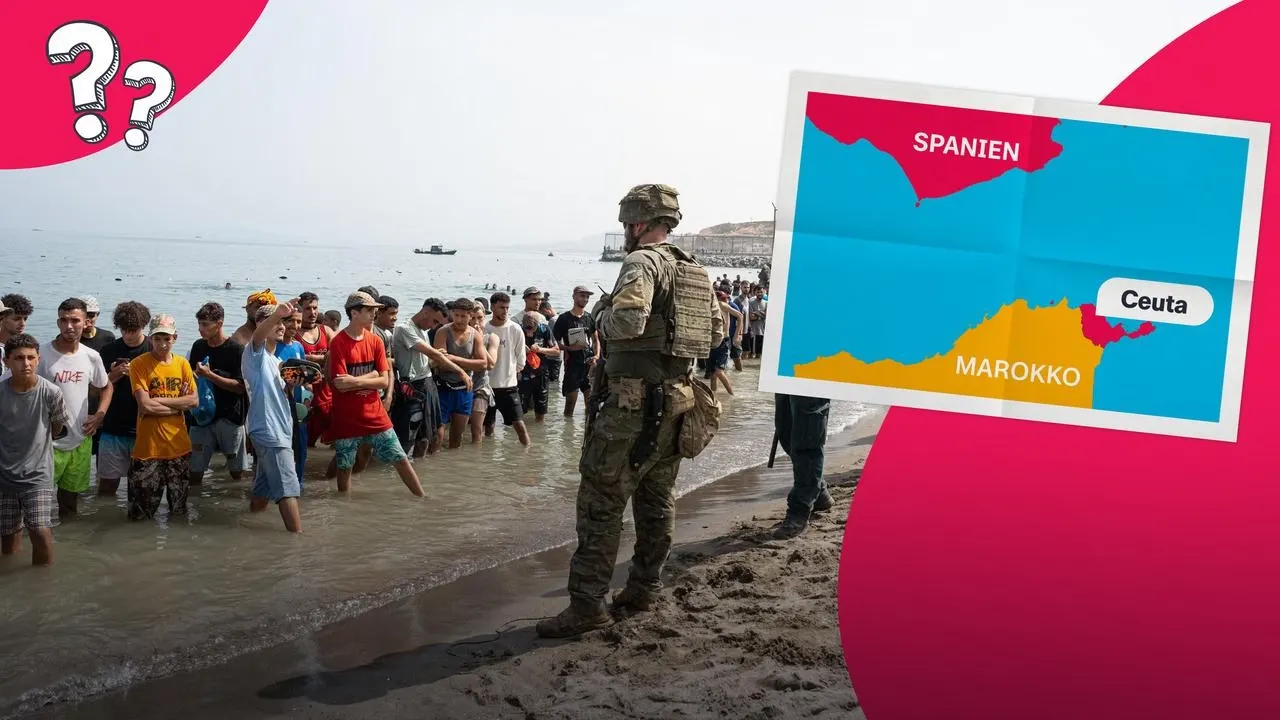
In a significant development, Morocco has officially responded to the recent surge of migrants attempting to enter the Spanish enclave of Ceuta. For a considerable period, the Moroccan government maintained silence regarding this mass influx, but it has now released a statement attributing the situation to misinformation circulating on social media platforms. According to a spokesperson from Morocco’s Interior Ministry, the overwhelming number of migrants was not the result of a coordinated effort but rather a spontaneous reaction fueled by misleading information and erroneous interpretations of legal provisions. This commentary specifically referenced a recent ruling by a Spanish court that limited the deportation of certain migrants.
Understanding the Context of the Ceuta Crisis
The crisis at Ceuta, which borders Morocco, has led to speculations that the Moroccan government may have intentionally incited or at least allowed this mass migration to exert pressure on Spain. Reports from various migrants indicate that they were not only not deterred but were, in fact, encouraged to cross the border. Many of them mentioned that they became aware of the supposedly open border through videos and news shared on platforms like TikTok.
In the wake of this crisis, the Moroccan Interior Ministry has confirmed that it is collaborating with Spanish authorities to combat irregular migration effectively. They estimated that approximately 40,000 migrants aimed to reach Ceuta, while another group of 1,135 attempted to enter the other Spanish enclave of Melilla, located 400 kilometers east and surrounded by the Mediterranean. Investigations into these incidents have already commenced.
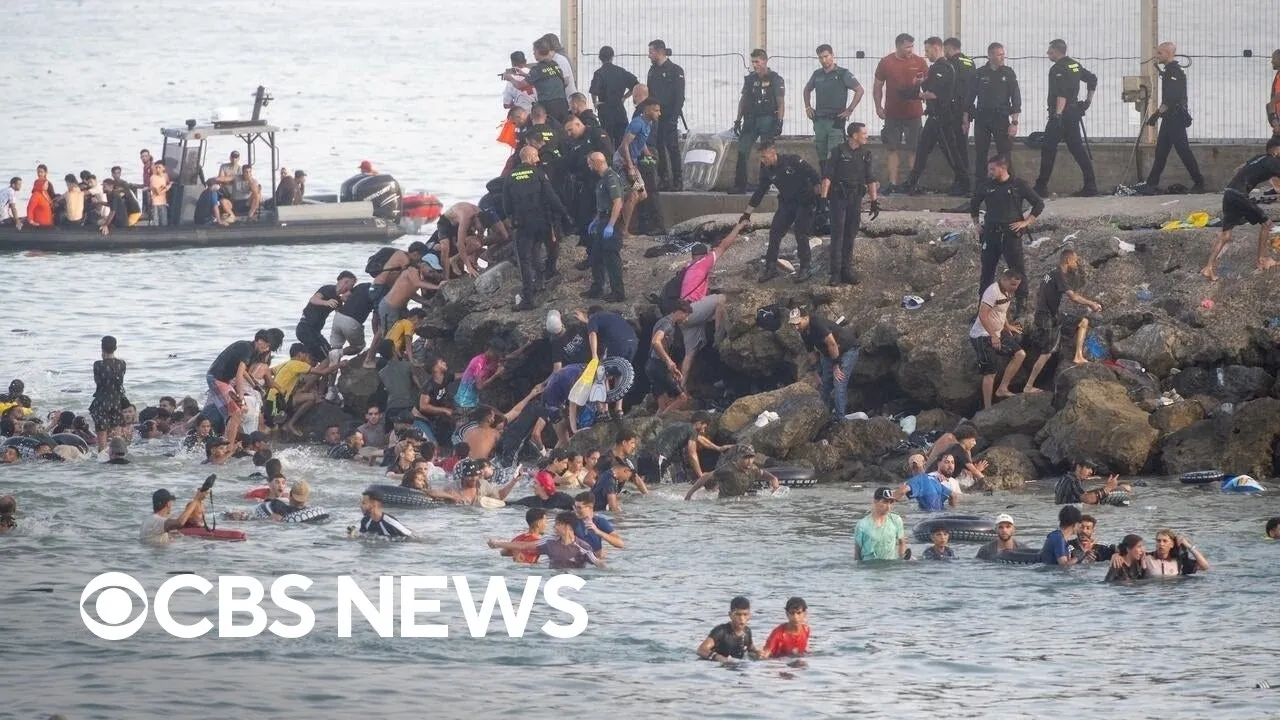
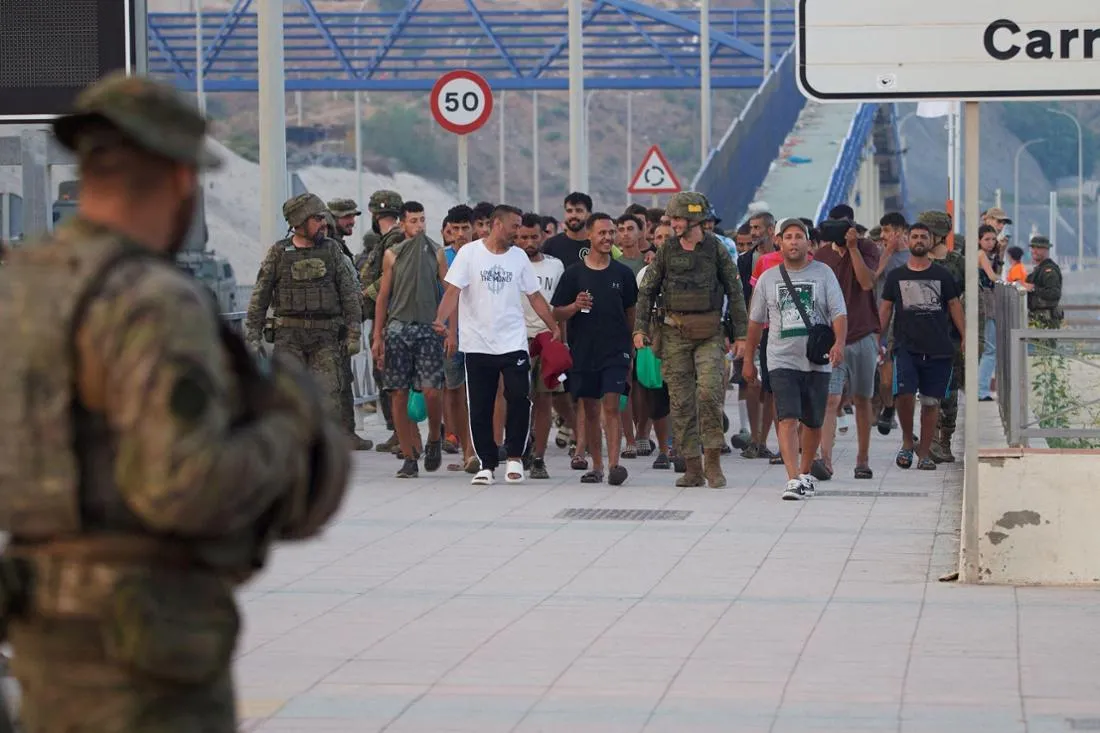
The Spanish government has reported that between 50,000 to 60,000 migrants made the journey from Morocco to Ceuta in a remarkably short period, many of whom have since returned. The death toll reported by Moroccan authorities stands at eleven; however, Spain has cited a much higher number of 72 fatalities, many of whom reportedly drowned while attempting to swim to Ceuta. The Moroccan human rights organization AMDH has contested these figures, claiming there are "almost 130 victims" and numerous individuals missing, calling for an independent investigation into the matter.
The reasons behind the sudden influx of migrants to Ceuta remain unclear. Some experts suggest that the actions of Moroccan authorities could play a role, while others argue that Spain's migration policy may have sent mixed signals. The recent legalization of residency status for irregular migrants already living in Spain, although not applicable to newcomers, might have inadvertently instilled false hopes among migrants. Additionally, a particular court ruling in Spain has made it more challenging to reject migrants who arrive via sea, a point also highlighted by the Moroccan Interior Ministry.
Despite the complexities surrounding the issue, there seems to be a rare consensus among experts in Spain that the unprecedented surge of migrants into Ceuta would likely not have occurred without at least some degree of negligence or complicity from Moroccan authorities. The tightly controlled border is considered so sensitive that it is believed tens of thousands could not have crossed without the approval or involvement of Moroccan officials. Numerous videos documenting the inaction of Moroccan security forces leave little doubt regarding this assertion.
As reported by merkur.de.