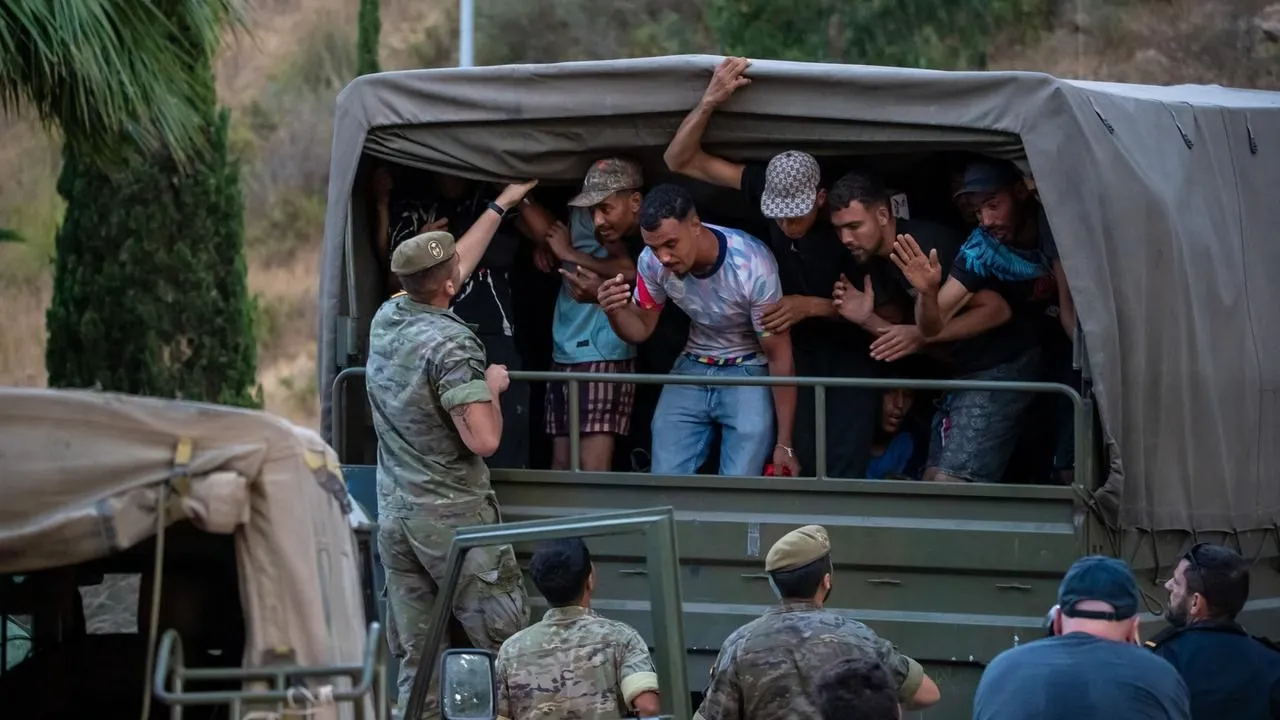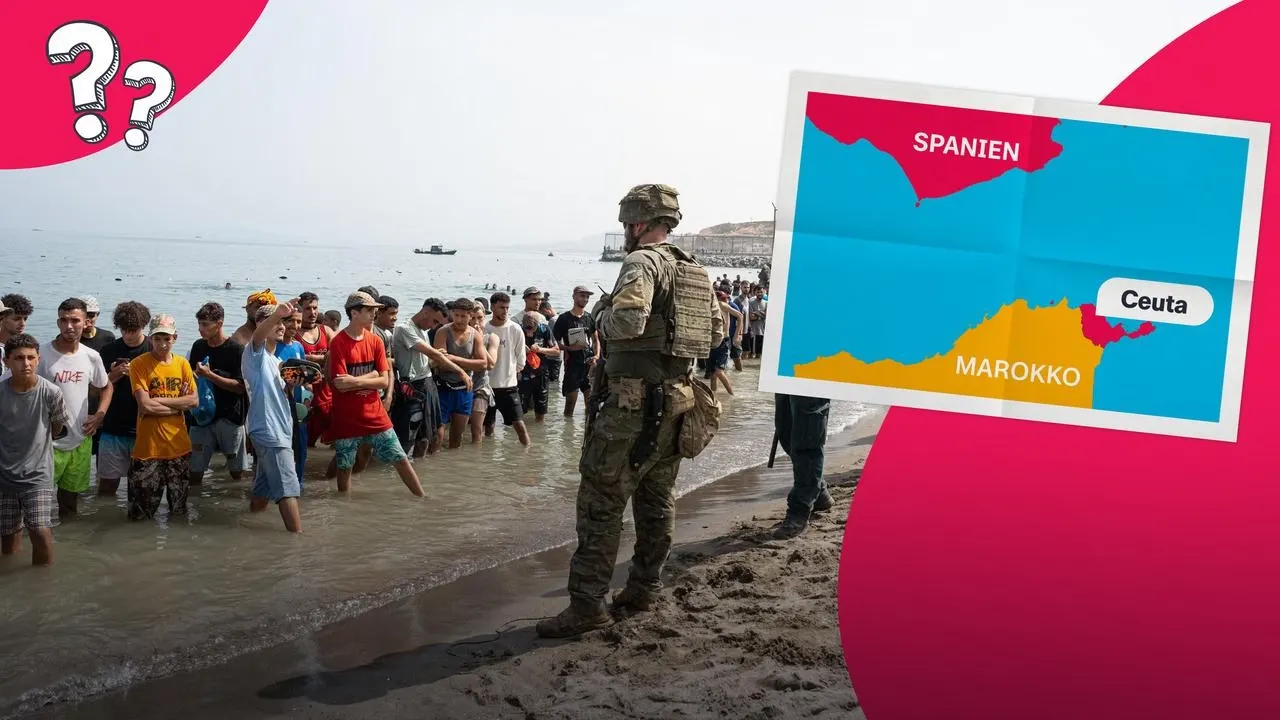

In an unprecedented event, tens of thousands of individuals have swum from Morocco to Ceuta, Spain, sparking significant concern and speculation regarding their motivations. Over the past week, reports indicate that as many as 60,000 people from various African nations undertook this perilous journey in hopes of starting anew within the European Union (EU). However, this crossing is fraught with challenges, and tragically, at least 72 lives have been lost in the attempt.
Ceuta is particularly noteworthy as it is a Spanish exclave situated on the African continent, making its geopolitical status unique. This article aims to clarify the implications of Ceuta's status and examine a recent Spanish court ruling that may have influenced the sudden influx of migrants from Morocco. Many of these individuals have since returned to Morocco, yet the question persists: why did so many attempt to cross the sea to reach Ceuta simultaneously?
A rumor circulated rapidly on social media in Morocco, claiming that "the border to Ceuta is open." This assertion, however, turned out to be false; the border had not been opened. A recent court ruling in Spain mandates that individuals arriving by sea to Ceuta cannot be immediately returned to their country of origin. Nevertheless, this does not guarantee them the right to remain in Ceuta or Spain.
Typically, the border to Ceuta is tightly controlled, leading many in Spain to suggest that Moroccan authorities did not intervene effectively to halt the large number of crossings. The veracity of this claim is currently a topic of intense political debate.
As reported by logo.de.