
Political Tensions Rise Following Migrant Influx in Ceuta
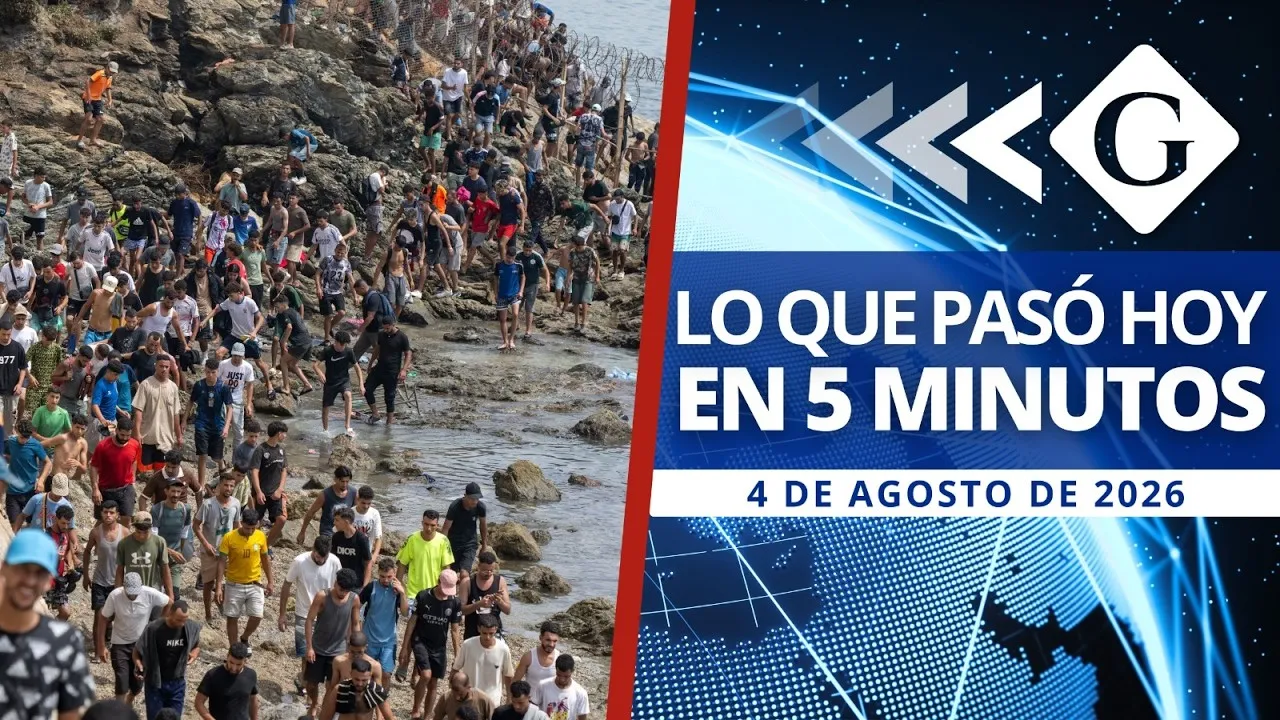
The situation in Ceuta has seen a reduction in immediate chaos, yet the political debates surrounding it have only just begun. A special meeting of the European Union's interior ministers is underway, focusing on border security, the Schengen Agreement, and the broader implications for Europe's migration policies. Following a massive influx of migrants—reportedly up to 60,000 individuals—into the Spanish exclave of Ceuta, questions arise regarding the influence of misinformation in prompting such a dramatic surge.
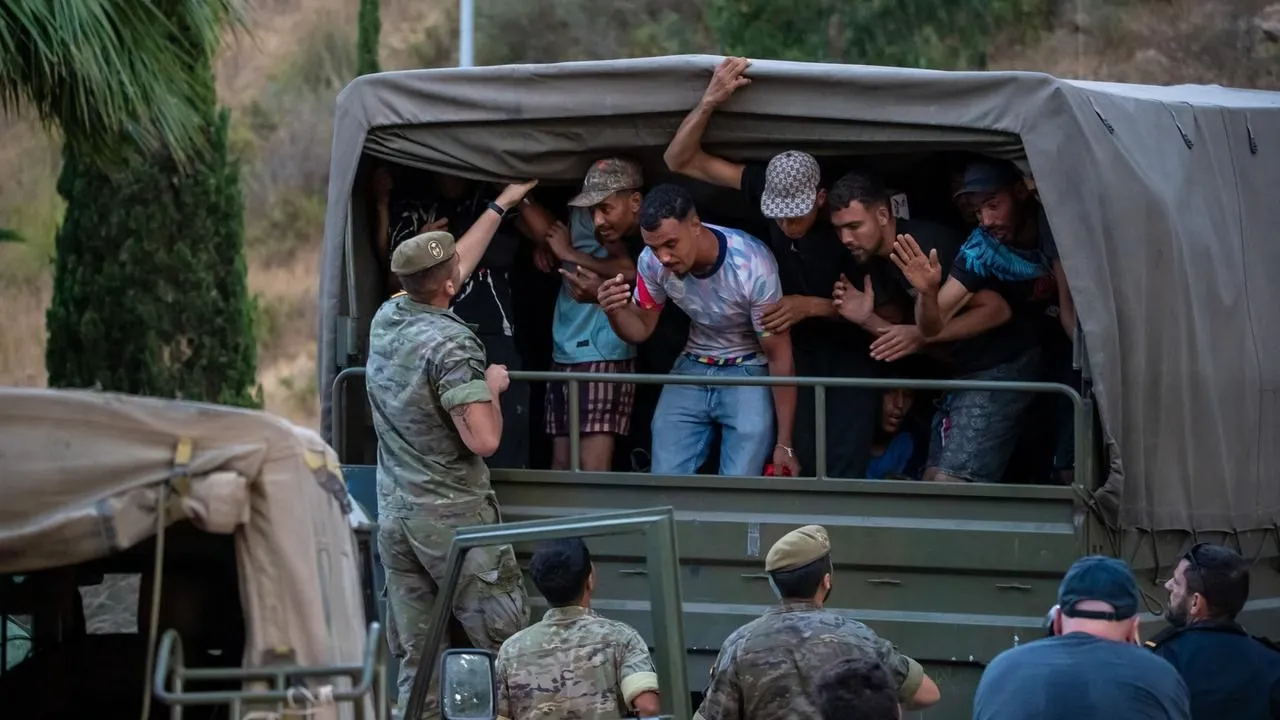
Most of the migrants have since returned to Morocco, but enduring images of the crisis remain. EU ambassadors in Brussels have convened for a special session to discuss the lessons that Europe can glean from these events. The central issue now is not merely what transpired in Ceuta, but whether Europe has successfully navigated its first significant stress test regarding migration policy.
Schengen Area Controversies and Political Repercussions
One of the most contentious points of discussion is likely the Schengen Area. Although Ceuta is not part of this zone, and no one managed to travel from Ceuta to mainland Spain, Italy's Prime Minister Giorgia Meloni has even suggested the possibility of Spain being excluded from the Schengen framework. While such a legal exclusion is improbable, the political rhetoric demonstrates how quickly national border controls can become a focal point in migration discussions. Migration researcher Dr. Judith Kohlenberger emphasizes that Schengen becomes a recurring topic whenever external borders are at stake, highlighting the attractiveness of internal border controls for governments seeking to show they are taking action, even when the real issues lie at the EU's external borders.
Despite the urgency of the situation, there remains disagreement over the appropriate course of action in migration policy. Twenty-two heads of state and government, including German Chancellor Friedrich Merz, are calling for a firmer European response to prevent the perception that irregular migration could lead to legal residency. Tragically, the number of deceased migrants has risen to 72 during this crisis.
Spain has rejected accusations that its migration policies contributed to this surge, instead calling for solidarity among nations. Prime Minister Pedro Sánchez has characterized the situation as a deliberate manipulation of migration flows. Kohlenberger argues that the claim that Spain's policies sparked the border surge lacks credibility, explaining that proposed measures to expedite residency and work permits apply only to individuals who have been living in Spain for years, not new arrivals.
Another significant topic of discussion will be the collaboration with third countries such as Morocco, whose role remains ambiguous. Spain attributes the crisis to smuggling networks and misinformation, while human rights organizations demand clarity. Kohlenberger notes that Morocco's involvement is a critical question, as Europe must consider how reliant it wants to be on third countries that may use migration as a political tool.
In light of the recent events, the Common European Asylum System (CEAS), which has only recently been implemented, is also expected to be a topic of discussion. Many governments view the situation in Ceuta as a first test of this reform. Kohlenberger provides a nuanced perspective, acknowledging that while CEAS establishes clear procedures for handling irregular arrivals, the Ceuta crisis is more about individuals seeking employment in Europe rather than seeking asylum. This situation underscores the necessity for Europe to discuss legal pathways for migration.
The German Foreign Minister Johan Wadephul stated, "The situation in Ceuta over the past days was an absolute stress test that we have passed." However, Kohlenberger offers a contrasting view, concluding that it was primarily a test of European unity, a test that she believes has not been successfully passed. As the interior ministers prepare to meet, concrete decisions are not anticipated, but the messaging they convey will be critical.
As reported by zdfheute.de.