Morocco's Inflation Dynamics: A Closer Look
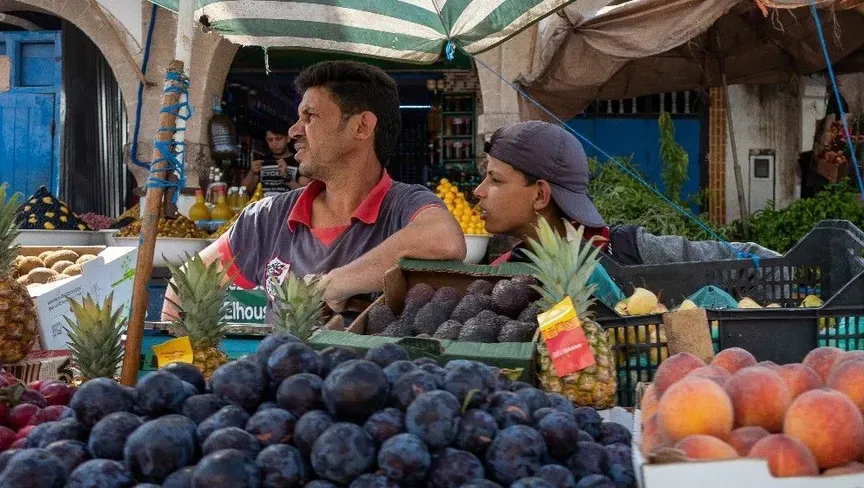
In a recent report released by the High Commission for Planning, Morocco has witnessed a notable decline in its inflation rate, which dropped to 0.3% in June. This shift marks a significant change in the economic landscape, especially when juxtaposed with the previous months where inflationary pressures were more pronounced. The data indicates that while the prices of non-food items surged by 2.3%, there was a corresponding decrease in food prices by the same percentage, creating a unique balance in the overall inflation metrics. This dual price movement raises questions about the underlying factors driving inflation in Morocco and whether these trends are sustainable in the coming months.
Future Projections and Economic Implications
Looking ahead, economic analysts are forecasting an upward trend in inflation in the near future. This expectation is based on various economic indicators and market conditions that suggest potential price increases across multiple sectors. The current situation in Morocco reflects a complex interplay of supply and demand dynamics, influenced by external factors such as global commodity prices and local agricultural outputs. As the nation navigates these challenges, it will be essential for policymakers to implement strategies that stabilize prices and support economic growth. The implications of these inflationary trends are profound, affecting purchasing power, consumer confidence, and ultimately the overall economic health of Morocco.
As reported by asharqbusiness.com.