The Journey of the Moroccan National Team
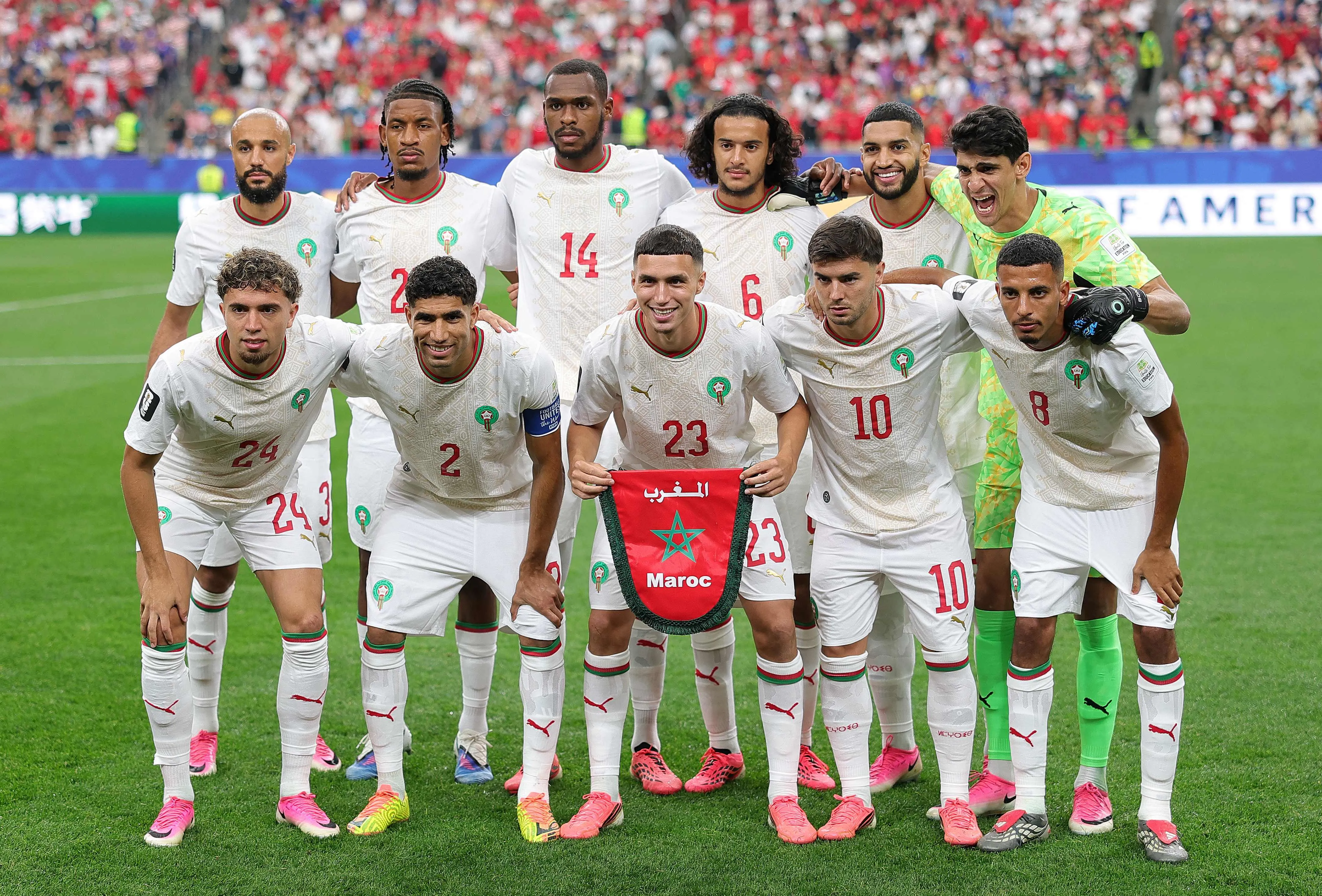
The Moroccan national football team's campaign in the 2026 World Cup has concluded, as they faced elimination in the quarter-finals—one round shy of their remarkable performance four years prior. The team, known as the "Atlanta Lions," experienced a sense of déjà vu, being halted by the same rival, with many familiar faces among the players and coaching staff, ultimately resulting in an identical scoreline of 0-2. Despite this setback, coach Mohamed Ouahbi remains optimistic, emphasizing the importance of focusing on future goals rather than dwelling on the defeat.
Looking ahead, Ouahbi has set ambitious targets for the Moroccan team, aiming to capture the titles in the Africa Cup scheduled for 2027 and 2028 before their participation in the 2030 World Cup, which Morocco will co-host. At a press conference following the quarter-final match held at Gillette Stadium in Boston, Ouahbi stated, "To prepare adequately for 2030, we must focus on upcoming matches, continue to strengthen the team, maintain peak performance, qualify for the Africa Cup, and strive for victory." His confidence in the future of Moroccan football is bolstered by the robust development systems, strong infrastructure, and unwavering governmental support that have transformed the nation into a formidable footballing power.
Achievements and Strategic Investments
Morocco's commendable performance in the 2026 World Cup, despite falling short against a more formidable opponent in the quarter-finals, is reflective of their overall journey. In the group stages, they managed to secure a 1-1 draw against Brazil, followed by a 1-0 victory over Scotland and a resounding 4-2 win against Haiti. Their remarkable resilience showed when they eliminated the Netherlands in the round of 32 via a tense penalty shootout, and they decisively defeated the host nation, Canada, 3-0 in the round of 16. The question arises: what has fueled this rapid ascent in Moroccan football?
The Moroccan football landscape has undergone significant transformation, supported by strategic investments and meticulous planning. A pivotal moment came in 2017 with the election of Fouzi Lekjaa as the President of the Moroccan Football Federation (FRMF). Under his leadership, the FRMF initiated a strategic plan encompassing all age levels, emphasizing the importance of local club involvement and infrastructure enhancement. This strategic shift laid the groundwork for Morocco's success in hosting the 2025 Africa Cup of Nations across nine international-standard stadiums, ultimately culminating in their successful bid to co-host the 2030 World Cup. A long-term investment initiated by King Mohammed VI in 2009, which involved the establishment of a football academy worth 13 million euros, has proven instrumental in cultivating talent that now flourishes in Europe and contributes to the national team.
As Ouahbi eloquently stated, "We have access to a vast pool of talent, a robust federation, and a monarchy that is heavily invested in football. This collective support has enabled us to reach the quarter-finals of the World Cup today." He emphasized the need for continuous evaluation and self-improvement as the team aspires to maintain their upward trajectory in global football.
Moreover, Morocco's strategy of leveraging diaspora talent from countries with rich football traditions, such as France, Spain, and the Netherlands, has played a significant role in shaping their national squad. With scouts actively monitoring young players in these regions, Morocco's current World Cup squad is predominantly composed of talents born abroad. Out of 26 players, only seven hail from Morocco, while the remainder represents the diaspora, showcasing the depth and potential of Moroccan football.
The success of the Moroccan team in recent years has provoked comparisons with Indonesia's footballing ambitions. Like Morocco, Indonesia has also seen an influx of diaspora and naturalized players in its national team. However, the Garuda squad faced challenges in the 2026 World Cup qualification, and as they look forward to the 2030 World Cup, they can draw inspiration from Morocco's football revolution.
As reported by kompas.id.