The Environmental and Health Implications of Waste Imports from Europe to Morocco
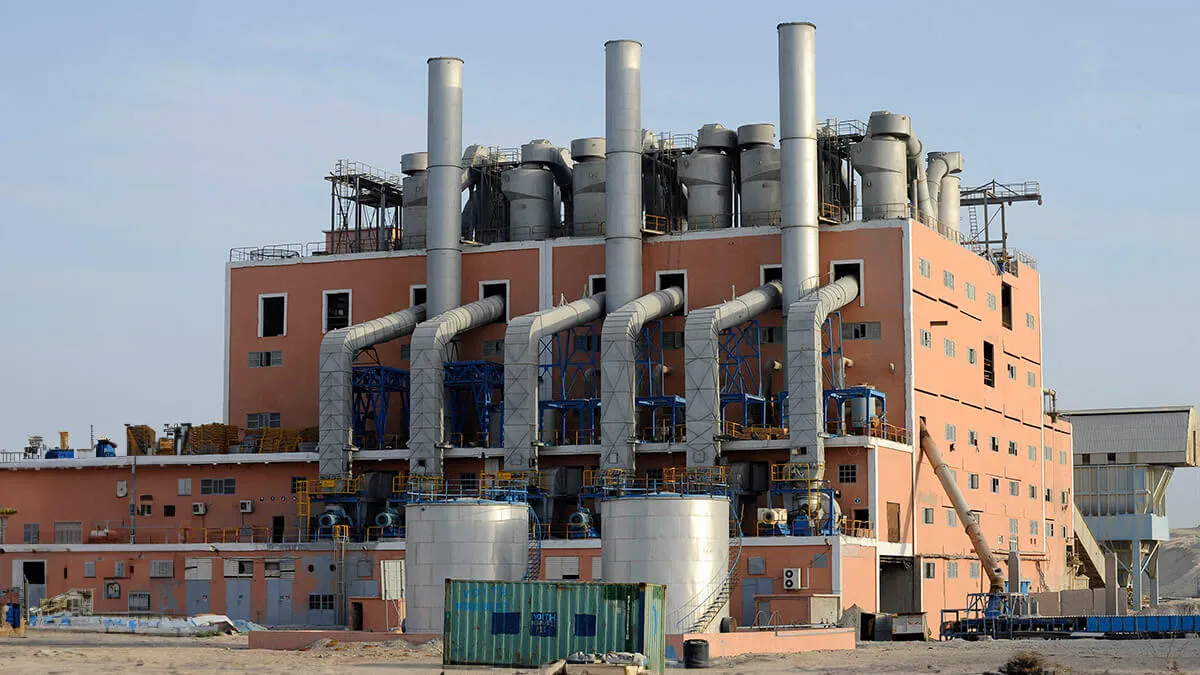
The plight of families living near waste processing sites in Morocco is increasingly dire, with many suffering from health issues linked to pollution caused by imported waste. Fátima, a mother from Mediouna, a neighborhood southeast of Casablanca, is particularly concerned for her eight-year-old son, who struggles to breathe at night due to the air quality. Despite pleas for relocation from her doctor, Fátima lacks the means to move, highlighting the harsh realities faced by those living near waste disposal sites. The Moroccan government has issued hundreds of permits for importing waste from Europe, including clothing, rubber tires, and industrial byproducts, to be used as fuel in cement kilns in the Casablanca-Settat region. This practice has allowed European companies to save approximately $52 million annually, as it is significantly cheaper to send waste to Morocco than to process it in their home countries. However, the local population remains largely unaware of these economic dynamics, focusing instead on the immediate and detrimental health effects they experience.
Between September 2024 and September 2025, an investigation revealed that European countries exported at least 36,611 tons of waste to Morocco, with a staggering 93% classified as "reusable," despite its low declared value of merely €0.10 (approximately $0.11) per kilogram. In contrast, truly reusable clothing can be sold for between €0.50 and €1.50 per kilogram, indicating that much of what is sent is not intended for resale, but rather for disposal. The significant price difference further illustrates the disparity between the true value of reusable goods and the low-quality waste that is being shipped.
The Economic Incentives Behind Waste Exports
The financial motivations for exporting waste are clear and compelling. Treating a ton of waste in Europe costs at least $100 (€88), while incinerating it in Moroccan cement kilns costs between $36 and $39 (€32 to €34). When applied to the 821,500 tons of waste that Morocco officially imported in 2024, this cost difference translates to annual savings of about $50 million (€44 million) for European exporters. This lucrative trade is anticipated to grow even further before the European Union's ban on plastic waste exports to non-OECD countries, including Morocco, takes effect on November 21, 2026.
Spain stands out as the primary exporter of waste to Morocco, sending up to 4.5 million kilograms in just one month, while other EU countries contribute minimally. The reported figures only account for shipments classified as waste, which include textiles, plastics, paper, and electronics. However, the Moroccan Ministry of Energy Transition also includes substantial amounts of metals and organic waste, which are often misclassified as raw materials rather than waste. This discrepancy underscores the challenges in enforcing regulations and the complexity of waste classification, as intermediaries often obscure the true nature of the shipments.
As the European Union moves towards stricter waste management regulations, the impact on communities in Morocco continues to mount. The health risks associated with living near cement plants that process this waste are profound, with studies indicating increased rates of respiratory diseases and cancers among local populations. The Mediouna landfill, which processes an astounding 1.2 million tons of waste annually, is nearing capacity, prompting concerns about the sustainability of waste management practices in Morocco.
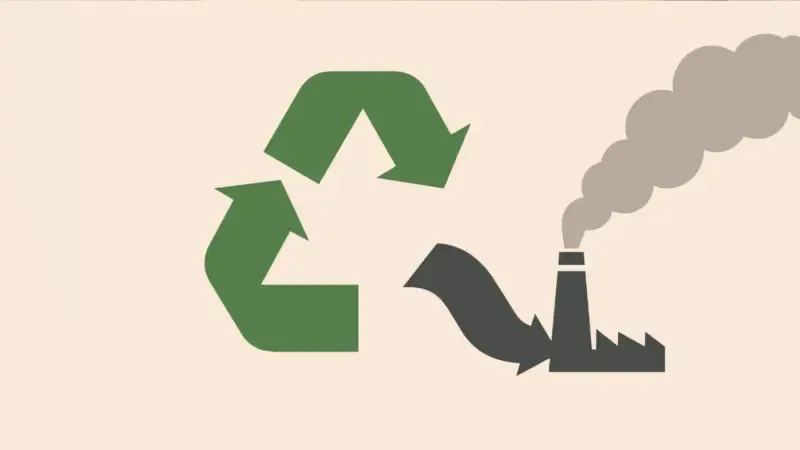
In summary, while Europe touts its recycling achievements, the reality for communities like Fátima's is drastically different. The exportation of waste not only shifts the burden onto Morocco but also perpetuates a cycle of environmental and health hazards for the local population. As Morocco grapples with the consequences of this trade, it is essential to recognize the broader implications of waste management practices and their effects on human health and the environment.
As reported by es.globalvoices.org.