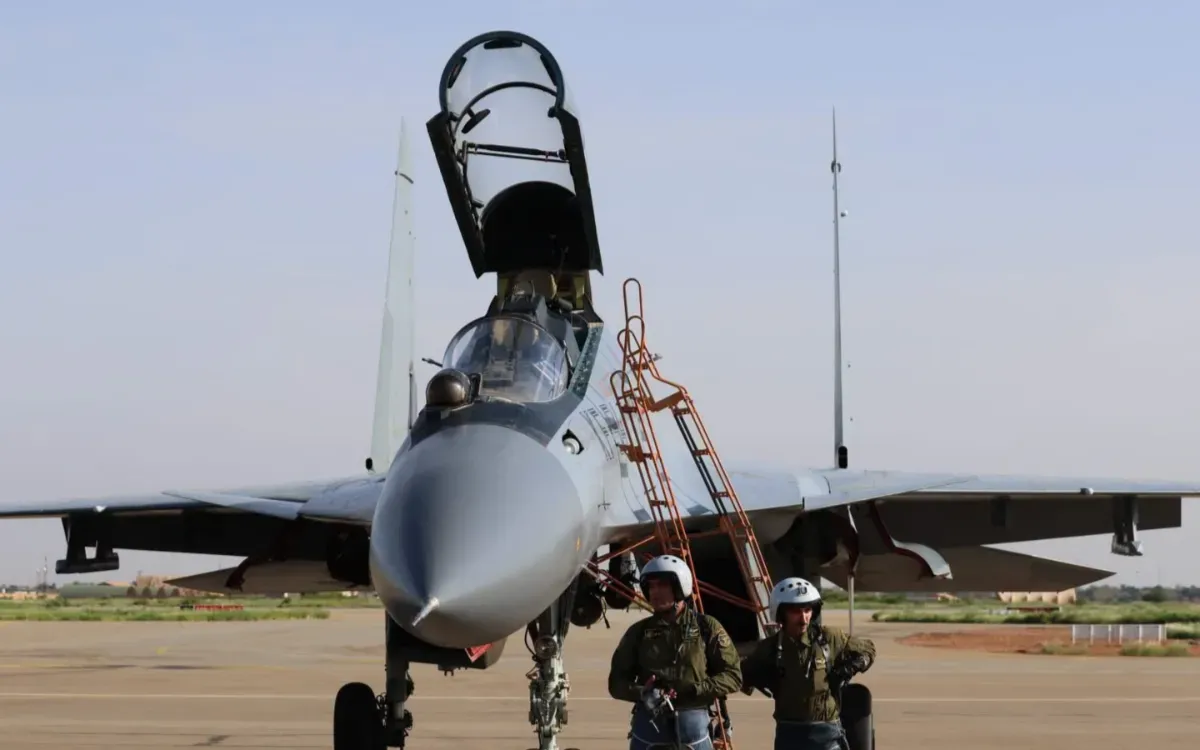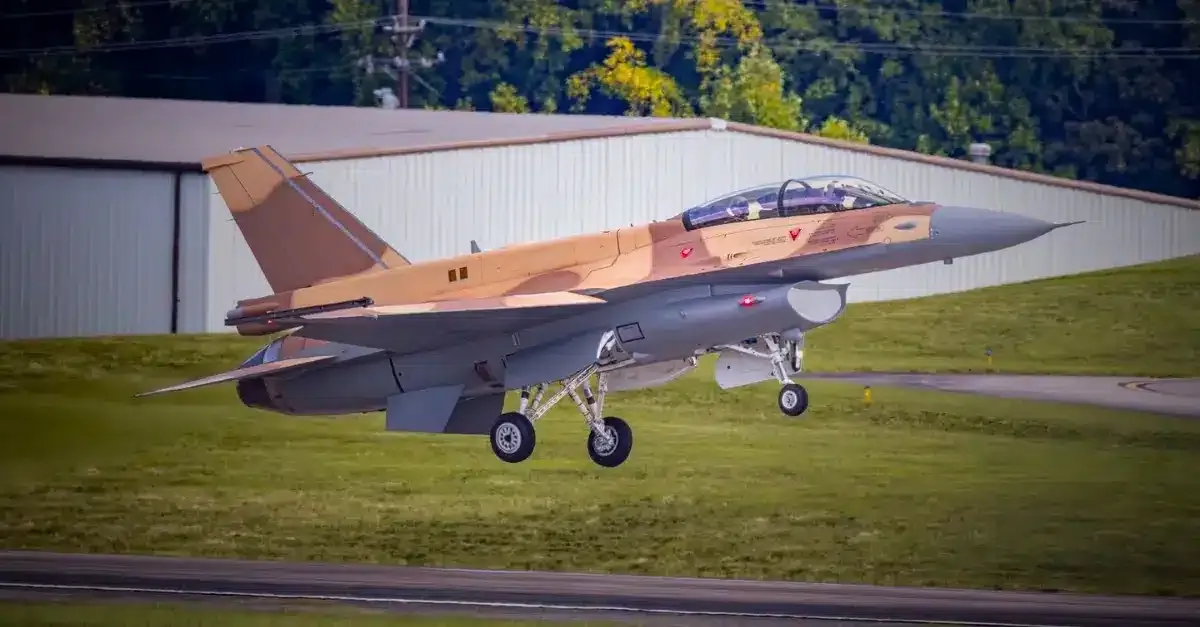

The first F-16D Block 72 fighter jet designated for the Royal Moroccan Air Force successfully completed its maiden flight on October 6, 2026, at Lockheed Martin's facility in Greenville, South Carolina. This significant milestone occurs against the backdrop of Algeria's acquisition of the Su-35 and preparations for the deployment of the Su-57E, intensifying the already strained relations between Rabat and Algiers. The arrival of the new F-16s is seen as a direct response to the expansion of the Algerian air fleet, particularly in light of Morocco's limited short-term options following the failure of the Emirati Mirage 2000-9 transfer.
Strengthening the Royal Moroccan Air Force with F-16D Block 72
The aircraft must undergo further flight testing before it can be officially presented and handed over to Morocco, but a specific timeline for this process has not been disclosed. Mike Shoemaker, head of Lockheed Martin's Integrated Fighter Group, commented on the significance of this maiden flight, stating, "This first flight demonstrates the substantial progress of the Moroccan F-16 Block 72 program and represents a crucial step towards enhancing Morocco's future air power." The delivery of the aircraft remains contingent upon the completion of the testing campaign being conducted in the United States.
Morocco is set to receive 25 new F-16C/D Block 72 aircraft, also known as F-16 Vipers, while the 23 currently operational F-16C/D Block 52+ models will be upgraded to the F-16V standard. This alignment will provide the Royal Moroccan Air Force with a total of 48 aircraft featuring nearly identical configurations spread across two squadrons. Such standardization is intended to facilitate crew training, technical support, and spare parts management while also benefiting existing operational fighter jets by equipping them with avionics and mission systems comparable to those of the newly produced aircraft.
The Block 72 will be enhanced with modernized avionics, advanced sensors, and improved mission equipment, along with the Pratt & Whitney F100-PW-229 engine, which is compatible with the existing engine configurations used by the Moroccan fleet. These upgrades are expected to significantly enhance reconnaissance, combat, and air defense capabilities, allowing Rabat to achieve a range more aligned with that of the Russian aircraft employed by the Algerian Air Force, particularly when supported by aerial refueling and reconnaissance assets.
Regional Airpower Dynamics: Su-35, Mirage 2000-9, and Moroccan Options
In March 2026, it was confirmed that Algeria received at least one Su-35, although the exact number of available aircraft remains unclear. A deal regarding the Su-57E was announced in February 2025, with subsequent reports in October indicating an order for 12 units. Unofficial sources suggest that two Su-57Es have already been delivered to Algeria. Additionally, Algerian personnel are reportedly being trained in Russia, which could expedite the operational readiness of these aircraft upon delivery.
Speculation regarding Algeria's potential procurement of the Chinese J-10CE fighter and the KJ-600 airborne early warning aircraft heightens the sense of urgency in Rabat, despite the absence of a timeline or specific numbers for these acquisitions. The introduction of these platforms would further augment the capabilities of Algeria’s already acquired Russian aircraft. Thus, while the modernization of Morocco's F-16s represents a significant operational gain, it may not be sufficient to rapidly increase the number of available units, making fleet expansion closely tied to the qualitative modernization initiated with Lockheed Martin.
Morocco has also sought to bolster its fleet with 30 Mirage 2000-9 aircraft from the United Arab Emirates, aimed at a quicker enhancement of its air capabilities. However, this transfer was thwarted when Abu Dhabi decided in February 2026 to retain the aircraft at a high readiness level at the Al Dhafra Air Base. These additional units would have provided extra airframes without the need to wait for a new production run, while Dassault Aviation plans to continue supporting the maintenance and supply of the Mirage 2000 beyond 2035.
Several French and Spanish media outlets have concurrently reported advanced negotiations between Morocco and France for 12 to 18 Rafale F4 fighters, with initial deliveries projected for 2030 and 2031, although both the Moroccan and French governments have not confirmed these details. Even if an agreement is reached, this timeline would not provide an immediate reinforcement. The Rafale would serve as a long-term complement to the F-16 Viper, offering additional options for missions requiring extended range, high payload capacity, and modern sensors.
As reported by meta-defense.fr.