
Algeria is actively seeking to strengthen its foothold in the Sahel region, a move driven by escalating border insecurity and a burgeoning rivalry with Morocco and the United Arab Emirates. A recent investigation by the Financial Times highlights the concerns of Algerian leadership as they grapple with the influence of adversarial forces while simultaneously confronting armed groups in neighboring countries.
In an era where protecting national borders, supporting regional allies, and maintaining geopolitical influence are paramount, Algeria is adopting a multifaceted approach to address the upheavals in the Sahel. The Financial Times report, published on October 6, articulates the growing fears among Algerian officials regarding the advances of jihadist groups and the rising influence of perceived hostile entities, particularly Morocco and the UAE.
Yvan Guichaoua, a researcher at the Bonn International Center for Conflict Studies, elaborates on this sentiment, noting that Algerian leaders increasingly feel encircled by potentially adversarial actors. The situation is exacerbated by the presence of armed groups in Mali, which poses a direct threat to Algeria’s southern borders. Additionally, there are concerns that separatist claims from Malian Tuareg insurgents could resonate with Algeria's own Tuareg population, further complicating the matter.
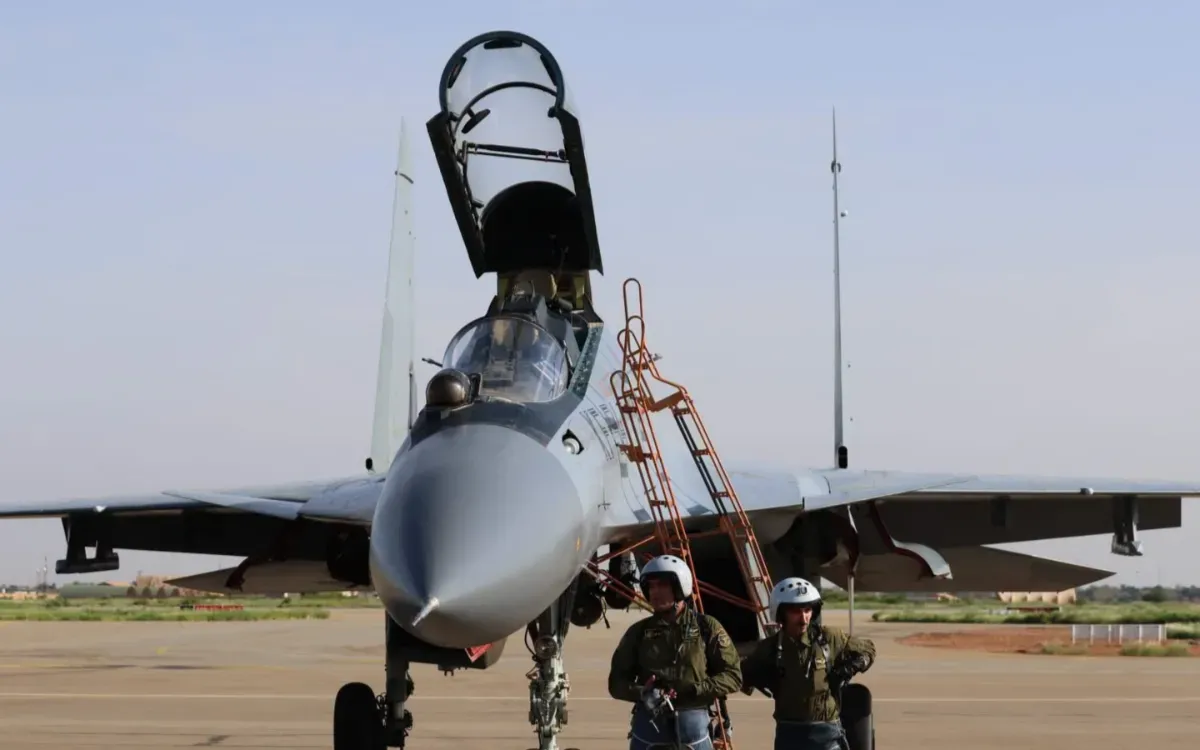
This apprehension has prompted Algeria to cultivate closer ties with Sahelian regimes after years of strained relations. Notably, on August 30, four Su-30 fighter jets and a refueling aircraft landed in Niamey, Niger, as part of a mission to support local authorities following an attempted destabilization. The Algerian Ministry of Defense characterized this mission as a direct response to local requests for assistance, which underscores the urgency of the situation.
After remaining in Niger for several days, the aircraft returned to Algeria, as confirmed by two Western diplomats. On October 3, Algerian President Abdelmadjid Tebboune justified the deployment by denouncing an unspecified “provocation” from an unidentified actor, while reaffirming his nation’s commitment to supporting Mali and Niger in their fight against terrorism.
Algeria’s Concerns Over Moroccan and UAE Influence
From Algeria's perspective, the security of Niger is intricately linked to its economic interests, particularly given that the country lies along the route of the trans-Saharan gas pipeline, which aims to connect Nigeria to Algeria. President Tebboune advocates for this corridor in the face of competing projects backed by Morocco and Nigeria that are directed toward the Atlantic coast.
The Financial Times notes that Algeria is increasingly wary of Morocco's growing influence in West Africa and the strengthening military and intelligence ties between Rabat and Israel. The involvement of Russian entities further complicates the dynamics, with diplomats in Niamey suggesting that Algeria aims to position its support as more respectful of local authorities compared to the actions of Russian paramilitaries.
Relations with the UAE have soured to the point of diplomatic rupture, with President Tebboune accusing Abu Dhabi of attempting to exert control over Algeria. However, the Financial Times points out that no evidence has been presented linking the UAE to the coup attempt in Niger, and Algeria has not formally issued such accusations.
On September 10, the Emirati Ministry of Foreign Affairs acknowledged Algeria's decision, expressing a desire for a temporary break while reaffirming the importance of the ties between their peoples. This situation illustrates the complexities and shifting alliances within the region as Algeria navigates its security and economic interests in an increasingly volatile environment.
As reported by bladi.net.